

US tags Brazil imports with 25% tariff
The fresh levy will go into effect July 22 with exemptions for a list of goods, including those covered by Section 232 duties.
Source Lens
Industry Context
Useful background context, but lower-priority than direct platform, community, or operator intelligence.
Impact Level
medium
Use this briefing to decide whether your team needs an immediate workflow, policy, or reporting change.
Key Stat / Trigger
No single quantitative trigger surfaced in this report.
Focus on the operational implication, not just the headline.
Full Coverage
An article from Trump tariffs US tags Brazil imports with 25% tariff The fresh levy will go into effect July 22 with exemptions for a list of goods, including those covered by Section 232 duties. Published July 16, 2026 Phil Neuffer Lead Editor Share Copy link Email / Print License Add us on Google U. S.
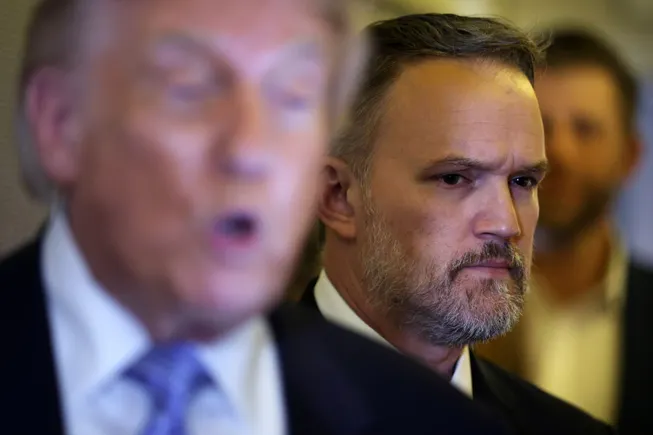
Trade Representative Jamieson Greer looks on as President Donald Trump speaks to the media on Air Force One on May 15, 2026. Greer said new tariffs on Brazil imports are necessary to address the country’s unfair trade practices. Alex Wong via Getty Images Listen to the article 3 min This audio is auto-generated. Please let us know if you have feedback.
The United States will begin charging a 25% tariff on many imports from Brazil on July 22, according to a notice in the Federal Register filed Wednesday.
While the 25% tariff will impact a large portion of goods from Brazil, the notice outlined a list of products that will be exempt from the levy, including a wide range of fruits and vegetables, such as pineapples, bananas and avocados, as well as beef and certain seafood products.
The duty also will not stack on top of existing Section 232 tariffs nor apply to goods on the water before July 22 that are withdrawn from a warehouse for consumption before July 29, per the notice. The U. S. further expanded the list of exemptions it originally proposed in June in response to public commentary and hearings held last week.
The list now includes goods such as aluminum hydroxide, some pharmaceuticals and pharmaceutical ingredients, unflavored instant coffee, and organic honey. These exemptions were made because tariffs could make domestic supply unavailable and cause economic disruption, according to the notice. While the U. S.
added more goods to the exemption list, it removed high-purity dissolving pulp and non-pharmaceutical applications of certain chemicals and chemical products. The announcement locks in the levy U. S. Trade Representative Jamieson Greer proposed last month following a yearlong Section 301 investigation into Brazil’s trading practices.
According to the USTR, the duty is necessary to combat measures that harm U. S. business interests, including preferential tariffs, deforestation and restrictions on digital trade.
“Today’s action is necessary to address these unfair trade practices to ensure American workers and companies can compete on a level playing field,” Greer said in a statement Wednesday. He noted that “extensive negotiations” with Brazil since the Section 301 probe was launched last July failed to address the U. S.’ concerns.
The Trump administration has continued to leverage trade probes to install tariffs on numerous sectors and countries.
A previous Section 301 investigation into Nicaragua’s trade practices led to a 15% tariff on imports from the country, while various Section 232 inquiries have resulted in duties on goods such as steel, aluminum, copper, cars and auto parts, patented pharmaceuticals, and a narrow range of semiconductors.
Meanwhile, other investigations remain pending, including two separate Section 301 probes examining the enforcement of forced labor bans and global manufacturing production and capacity. The USTR proposed an up to 12.
5% tariff on 60 trading partners based on the forced labor investigation, holding public hearings on the matter last week roughly in parallel with those held for the Brazil probe.
“The original filing of this Section 301 was last year but the case may give important clues about the likely treatment of other, newer Section 301 cases such as the one against 60 countries for failing to properly enforce imports that might be made by forced labor,” Deborah Elms, head of trade policy at the Hinrich Foundation, said in a LinkedIn post, referencing the Brazil investigation.
Recommended Reading Trump’s tariffs: Tracking the status of US trade actions By Phil Neuffer, Edwin Lopez • Updated 8 hours ago Add us on Google Share Copy link Email / Print License Filed Under: Operations Management, Procurement, Logistics, Regulation
Original Source
This briefing is based on reporting from Supply Chain Dive. Use the original post for full primary-source context.
Style
Audience