Why Nest New York is turning its bestselling Holiday candle into fine fragrance
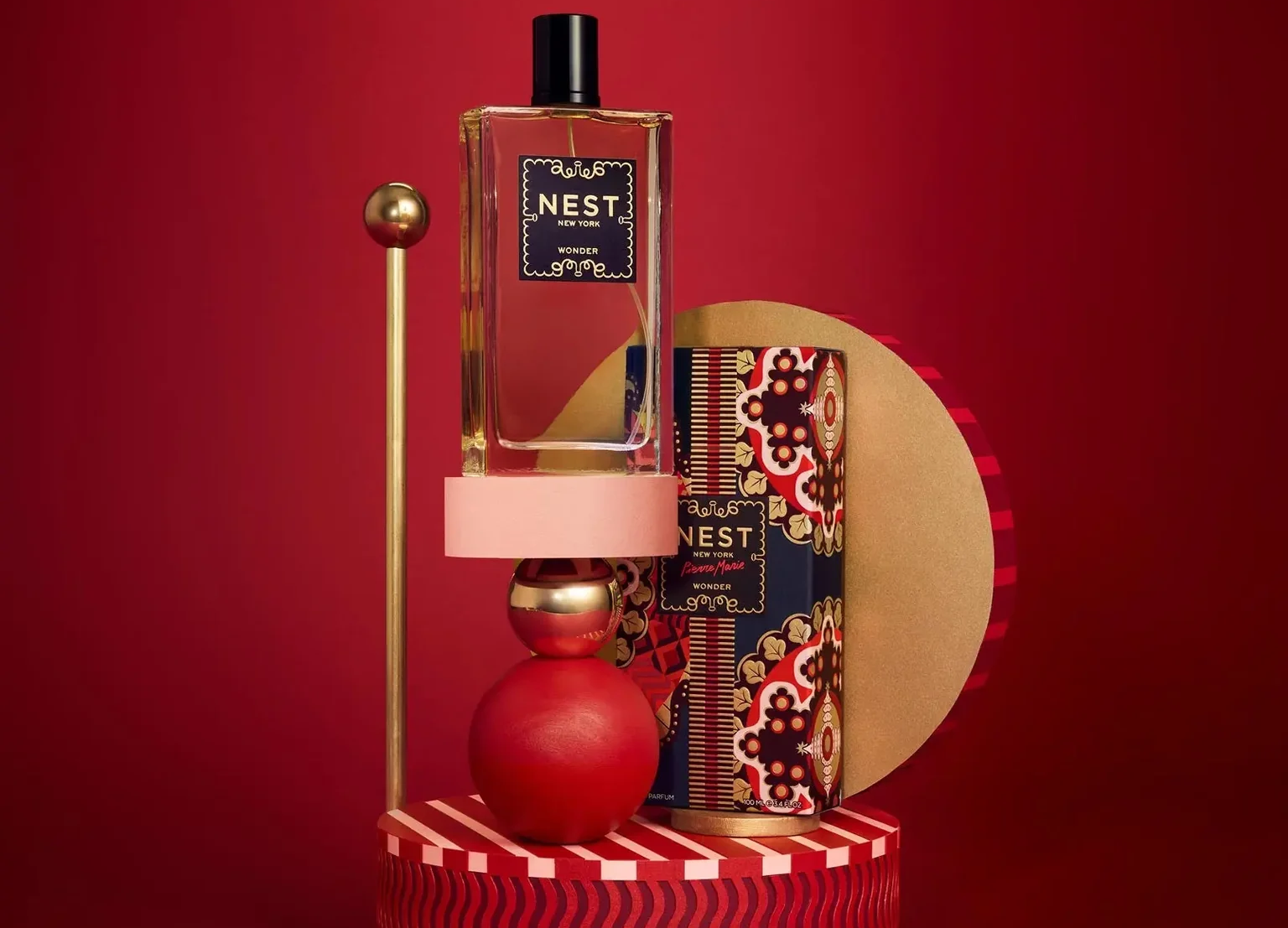
Nest New York converted its bestselling Holiday candle into Wonder eau de parfum, launching October 2026 at Sephora and Ulta. Fine fragrance now represents 75% of Nest's new product launches in 2026, up from 40% in 2025.
Fragrance and CPG brands are leveraging hero product brand equity to enter adjacent categories rather than building awareness from scratch -- a competitive dynamic that compresses shelf space and ad auction costs for new entrants in fine fragrance on Sephora, Ulta, and Amazon Beauty.
Brands converting top-selling home fragrance SKUs into personal fragrance is a replicable category-extension playbook that drives incremental revenue without cold-start brand awareness problems. Marketplace brand operators should audit their top SKUs for cross-category scent, texture, or sensation extensions that can ride existing customer equity into higher-margin categories.
Operational Impact
This story may require teams to revisit workflows, monitoring, or platform assumptions.
Bottom Line
Nest's candle-to-perfume move shows seasonal SKU equity is an underused category expansion asset.
Source Lens
Industry Context
Useful background context, but lower-priority than direct platform, community, or operator intelligence.
Impact Level
low
Nest's candle-to-perfume move shows seasonal SKU equity is an underused category expansion asset.
Key Stat / Trigger
75% of Nest's new product launches in 2026 are fine fragrance
Focus on the operational implication, not just the headline.
Full Coverage
New Wholesale Rules // October 5, 2026 Why Nest New York is turning its bestselling Holiday candle into fine fragrance By Gabriela Barkho As fragrance continues to have a moment, home fragrance brand Nest is strategically going about diversifying its categories.
Nest New York has been known for its candles for decades, but now, it is increasing its investment in fine fragrance. This month, the brand is bottling up its bestselling Holiday line of candles and home fragrance into a personal fragrance, in a move to fuel its next phase of growth.
According to the company, the Holiday Classic Candle has been translated into the new Wonder eau de parfum to capture the scent that its customers have associated with the holiday season.
With Wonder’s launch arriving in time for the holidays, Nest is capitalizing on its already-recognizable home fragrance brand to help build out a fine fragrance business in the coming years. Founded in 2008, the foundation for Nest’s shift into fine fragrance began in 2021 with the launch of perfume oils.
Fine fragrance represented about 40% of Nest’s new product launches in 2025 and 75% in 2026. According to Toni Lakis, Nest’s chief creative and brand officer, the Wonder perfume creation is part of the company’s bigger ongoing strategy to move into a full-fledged lifestyle brand.
The Wonder launch also builds on a few years of the company’s gradual push into non-home categories. Back in 2021, Nest expected the oils to double its fine fragrance business within three years. However, the high demand pushed that timeline up to just nine months.
Lakis said the fine fragrance business is important to grow for Nest, as it helps the brand attract different types of customers for different occasions. “The biggest opportunity is that we currently have very different consumers for home fragrance and fine fragrance,” Lakis said, primarily due to the brand’s distribution model.
For example, the fine fragrances are sold in Sephora and Ulta, which help Nest target a younger and more diverse demographic. On the other hand, much of the home fragrance assortment is sold in department stores, where the shopper demographic skews older.
Lakis said expanding into eau de parfum was about leveraging Nest’s beloved seasonal scent, rather than having to build awareness among customers in the new category. The Wonder scent also targets Nest’s seasonal customers who like to rotate their fragrances.
“People come to us year after year looking for this holiday scent, so we’ve been exploring ways of bringing it to life in many different ways,” Lakis said. According to Lakis, Nest’s holiday season sales make up a majority of the brand’s annual revenue, despite the Holiday line only being available for four months out of the year.
Lakis went on to say that many Nest fans are already aware of what the Holiday home line smells like, but the company made a few tweaks to translate it into a personal perfume. “Of course you don’t exactly want to wear what your house smells like, but we kept the essence of Holiday,” she said.
“We created a hopefully iconic fine fragrance inspired by the Holiday candle, but done in a much more wearable, sophisticated way,” Lakis added, with Wonder’s tones being slightly darker and sexier than the Holiday candle.
Due to the modifications, such as the addition of patchouli, the new scent became a bit more spicy and is categorized as a spicy woody citrus fragrance. Nest CMO Erwan Le Berrigaud added that the strategy was to use the brand’s existing equity while also creating something new for the fine fragrance portfolio by introducing a seasonal, genderless scent.
From a marketing perspective, Le Berrigaud said the brand is bringing Wonder to consumers through paid media, digital and social, retail, influencers and creators, sampling, seeding and experiential marketing. To go along with the new fragrance launch, Nest is bringing back its Fifth Avenue Association street-scenting pop-up for the fourth year.
“All of those touchpoints are designed to work together, building on the familiarity of Holiday while driving discovery of Wonder,” Le Berrigaud said. “And ultimately bringing consumers from the home fragrance aisle into the fine fragrance category with Nest.”
As Nest pushes toward becoming a lifestyle brand, Lakis said the company wants to attract more fine fragrance consumers. “But we also want to also protect the home business because it’s so important to the brand,” she said. Lakis said that, as a brand in general, “We’re looking to bridge the gap a little bit more between fine fragrance and home fragrance.”
That includes creating a full platform revolving around daily rituals using fragrance. Copy link
Identify your top 3 revenue SKUs by seasonal sales concentration -- if one scent or product drives majority of holiday revenue like Nest's Holiday line, brief a product developer on a personal-use or wearable extension to capture wallet share across retail channels.
In the next 30 days, check if your brand is listed in both home and personal care categories on Amazon -- if not, a category extension strategy requires separate ASIN setup, A+ content, and keyword targeting to avoid cannibalizing existing listings.
Original Source
This briefing is based on reporting from Modern Retail. Use the original post for full primary-source context.
Style
Audience