

‘It’s like getting Taylor Swift tickets’: Brands rush to request tariff refunds, with some snags
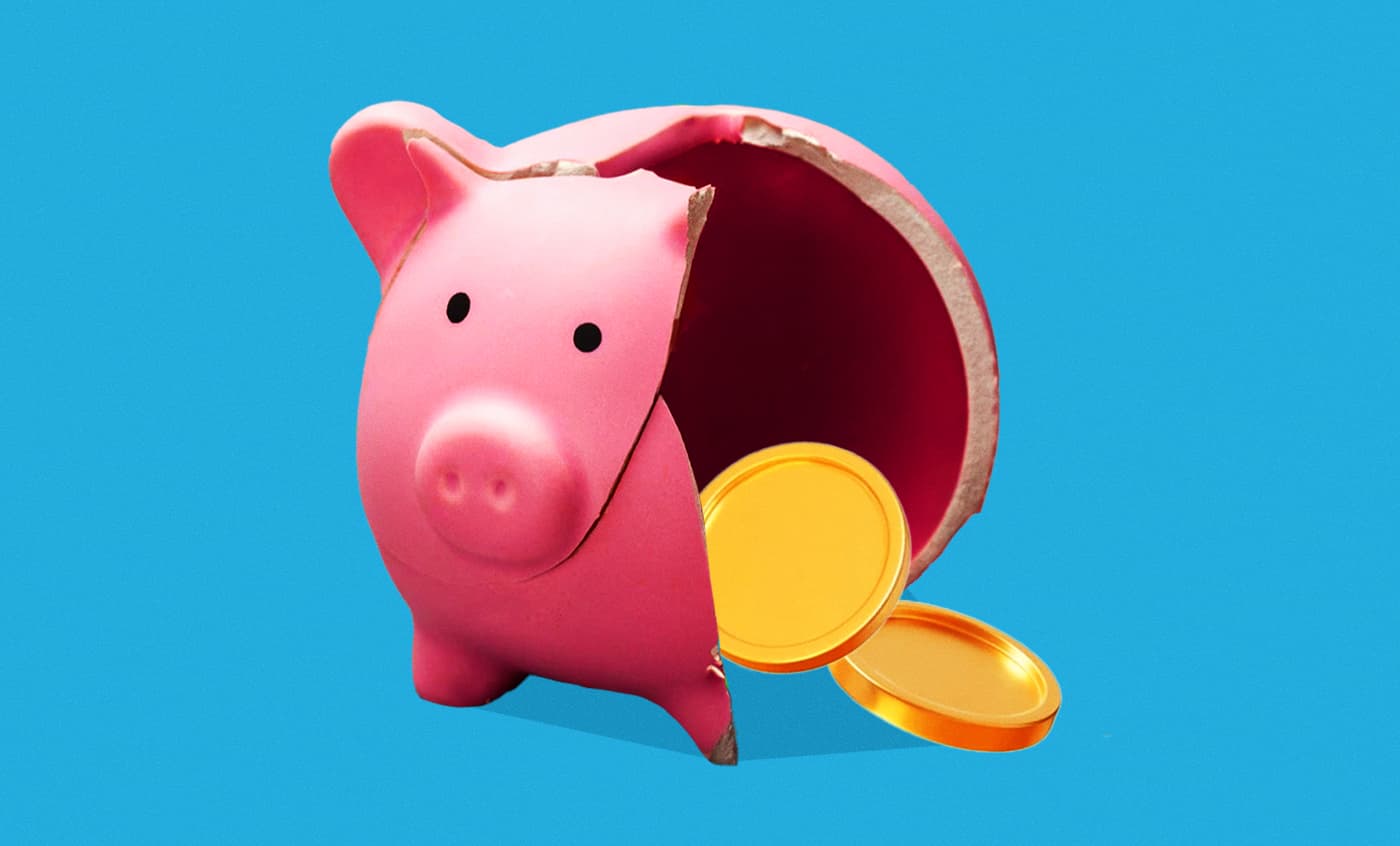
U.S. Customs opened CAPE portal April 20 for tariff refunds after Supreme Court ruled Trump-era tariffs illegal, with $175 billion potentially owed to importers. Companies like Made In ($5M refund) and Learning Resources ($10M) successfully submitted requests, though some faced site crashes and access issues.
Brands importing from China should check their customs broker records immediately - many don't realize liquidation day counts toward the 80-day eligibility window. This cash influx could fund inventory expansion or price reductions, creating competitive pressure across categories.
This represents the largest trade policy reversal in recent history, potentially reshuffling competitive dynamics as import-heavy brands gain sudden capital advantages over domestic manufacturers.
Contact your customs broker now to verify CAPE and ACE portal access - refunds require both systems and take 60-90 days to process
Review all China imports from Trump tariff period with your broker to calculate potential refund amounts before eligibility windows close
Bottom Line
$175B tariff refunds mean major cash influx for China importers.
Source Lens
Industry Context
Useful background context, but lower-priority than direct platform, community, or operator intelligence.
Impact Level
high
$175B tariff refunds mean major cash influx for China importers.
Key Stat / Trigger
$175 billion in potential refunds to businesses
Focus on the operational implication, not just the headline.
Full Coverage
New Economic Realities // April 21, 2026 ‘It’s like getting Taylor Swift tickets’: Brands rush to request tariff refunds, with some snags By Julia Waldow Ivy Liu The second that U. S. Customs and Border Protection opened its tariff refund portal at 8 a. m.
ET on April 20, tens of thousands of business owners and customs brokers hurried to submit their information. For some, the site crashed; for others, their entries received an error alert. Those who did get through breathed a sigh of relief.
“Everybody was anxious to press the button as quickly as they could,” said Rick Woldenberg, the CEO of the educational toy company Learning Resources Inc. , who submitted a request for $10 million in refunds. “It’s like getting Taylor Swift tickets.” This week, companies could officially start requesting tariff refunds from the U. S. government.
The digital refund system is called the Consolidated Administration and Processing of Entries, or CAPE. Its launch comes two months after the U. S. Supreme Court ruled that Donald Trump’s administration illegally collected tariffs under the International Emergency Economic Powers Act. The U. S.
government could owe businesses and brokers up to $175 billion in refunds, including interest. CBP says it plans to roll out the refund system “in phases.” The first phase of the refund process was open to “certain unliquidated entries and certain entries within 80 days of liquidation.”
As of April 9, more than 56,000 importers had completed the necessary steps to receive refunds, for an amount totaling roughly $127 billion, per CBP. However, more than 330,000 importers paid relevant tariffs on 53 million shipments of imported goods, according to court filings.
After submitting their information through CAPE, importers will get one electronic payment (with interest, when applicable) via a different portal with their bank information, called Automated Commercial Environment, or ACE. Importers or authorized brokers must sign up for access to both CAPE and ACE.
CBP says it could take 60-90 days to process refunds in ACE, “unless a compliance concern requires further CBP review.” The refund process has been smoother for some folks than others, according to conversations Modern Retail had with half a dozen brands and entrepreneurs.
While some business owners expressed satisfaction with the CAPE portal — especially considering the timeline CBP had to get the system up and running — others are still having trouble getting access to the ACE portal. And others weren’t aware that liquidation day counted as one of the “80 days of liquidation.”
LobsterBoys, which ships live lobsters around the world, was able to successfully submit a request for a refund of around $15,000, co-founders Travis and Justin Maderia said. Similarly, Made In, a cookware brand, found it “pretty simple” to submit a request for a refund of $5 million, co-founder and CEO Chip Malt said.
“You’d expect from a government agency that the website wouldn’t work and it would be a nightmare,” Malt said. “But the actual functionality of it surprised our team.” Woldenberg, one of the key plaintiffs in the court case that led to the tariffs’ undoing, submitted 5,000 lines to the CAPE portal; 10 were rejected.
“I believe that it’s probably a data handshake kind of thing,” he said, of the error message he got back. “It’s a high rate of acceptance.” But, as Woldenberg pointed out, “Acceptance of our submission is different from putting a stamp of approval on it and sending us a wire.”
To that end, the Maderias, Malt and Woldenberg are now waiting for an update in the ACE portal on when their refund payments will go through. But not everyone has been able to get access to the ACE portal — or get access to it in time for April 20. That includes Cassie Abel, the founder and CEO of outdoors apparel brand Wild Rye.
Abel submitted 14 lines in the CAPE portal on April 20 and is trying to recoup $250,000 in tariff payments. Her submission went through. But Abel hasn’t been able to get into the ACE portal, despite trying to do so weeks ago. That means she can’t track the progress of her refund payment. Abel attempted to apply for access to the ACE portal in March.
But “the portal was having technical difficulties for about three weeks,” she said, “so we kept running into error messages trying to get our application.” Wild Rye finally submitted its ACE application on March 24. “But, because of the backlog, they anticipated it would be about seven weeks until we get approved,” she said.
April 20 marked nearly four weeks. David Suk, CEO of portable bottle warmer company Baby’s Brew, al
Original Source
This briefing is based on reporting from Modern Retail. Use the original post for full primary-source context.
Style
Audience