

Retailers stuck in rebuild loop as 31% cling to custom integrations
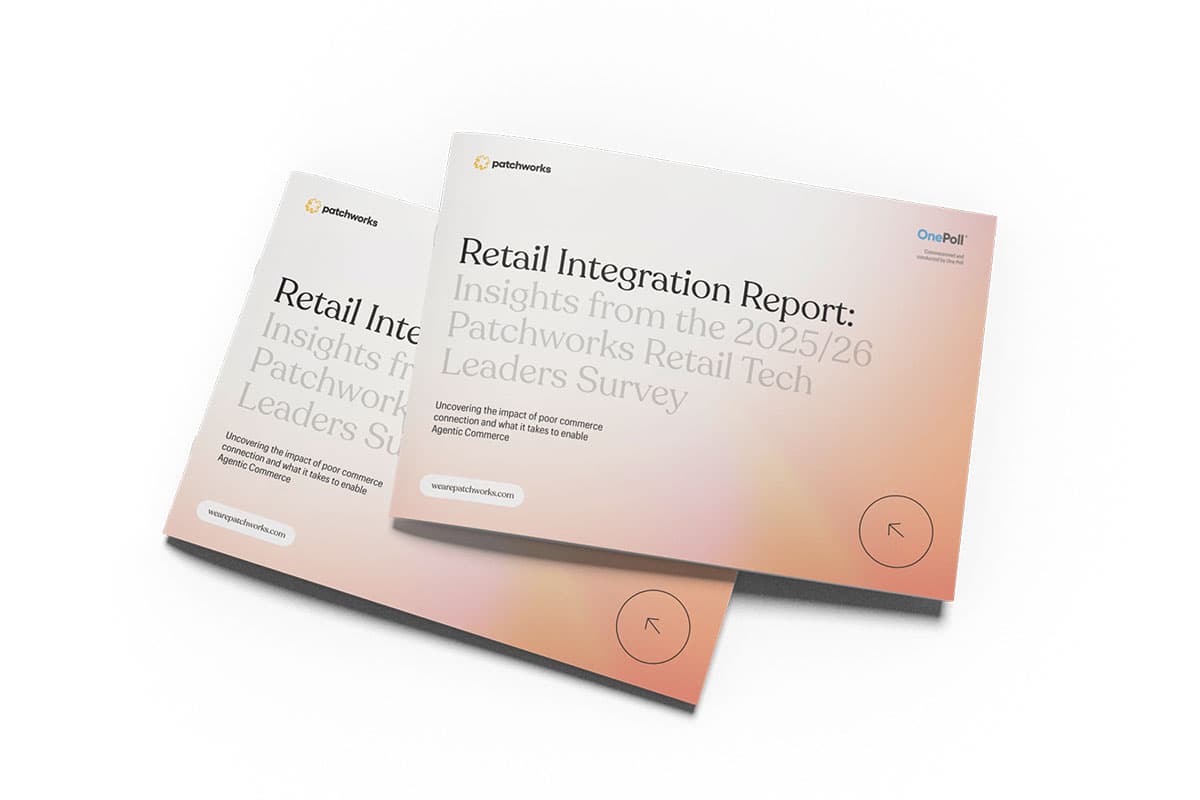
31% of UK retailers still use custom-built integrations despite 60% reporting financial losses from poor integration, with 14% losing over £500k annually. Only 13% have adopted Integration Platform as a Service solutions.
Marketplace sellers using custom integrations for inventory, orders, or pricing sync are likely burning cash on maintenance instead of growth. Switch to iPaaS solutions before peak season to avoid the 48% who rely on workarounds during high-traffic periods.
The shift from custom-built to platform-based integrations reflects broader marketplace consolidation, where agility and speed matter more than control. Sellers who can't adapt quickly to platform changes will lose competitive advantage.
Audit your current integration costs -- if spending over 20% of tech budget on maintenance, evaluate iPaaS alternatives like Zapier or MuleSoft.
Map all system connections (inventory, CRM, accounting) and identify single points of failure before Q4 peak season.
Bottom Line
Custom integrations cost retailers £500k+ annually in losses.
Source Lens
Industry Context
Useful background context, but lower-priority than direct platform, community, or operator intelligence.
Impact Level
medium
Custom integrations cost retailers £500k+ annually in losses.
Key Stat / Trigger
31% of retailers still rely on custom-built integrations
Focus on the operational implication, not just the headline.
Full Coverage
Nearly 1 in 3 UK retailers still rely on custom-built integrations, despite mounting financial and operational pressure on tech teams, according to new research from Patchworks.
The ‘Retail Integration Report: Insights from the 2025/26 Patchworks Retail Tech Leaders Survey’ commissioned by commerce integration platform Patchworks and conducted by OnePoll among 200 UK retail decision makers, found that 31% of retailers depend on bespoke integrations, while just 13% have adopted an Integration Platform as a Service solution.
At a time when 60% of retailers report financial losses due to poor integration and 14% are losing more than £500k a year, the findings raise questions about whether traditional “build” approaches still make economic sense.
The report reveals that plug-ins, manual coding and custom development continue to dominate integration strategies, even as these approaches are described as slow, rigid and resource-heavy Almost half (48%) of retailers admit they rely on temporary workarounds during peak trading, and 31% acknowledge direct revenue losses during busy periods due to poor integration The pressure is intensifying.
Retail CTOs are being asked to scale operations, improve customer experience and prepare for AI-driven commerce, all while reducing costs. Yet only 27% of brands describe themselves as fully connected and scalable For years, building integrations in-house felt like control. In reality, it has locked many retailers into endless rebuild cycles.
When 31% are still relying on custom builds, it shows how hard it is to step away from legacy thinking. But the economics have shifted. Teams cannot afford to spend their best talent patching and re-patching connections between systems.
– Jim Herbert, CEO, Patchworks The research shows that flexibility is now the top priority when choosing an integration approach, ranked ahead of long-term cost reduction Retailers want platforms that can adapt as their stack evolves, not brittle point-to-point connections that break under pressure.
Early adopters of iPaaS report faster integrations, leaner resource use and improved resilience during trading spikes. As AI and Agentic Commerce move from theory to practice, Patchworks argues that integration is no longer a back-office IT concern but a board-level growth decision.
Original Source
This briefing is based on reporting from Tamebay. Use the original post for full primary-source context.
Style
Audience