

Freight costs spike in Q1 as diesel tops $5: U.S. Bank index
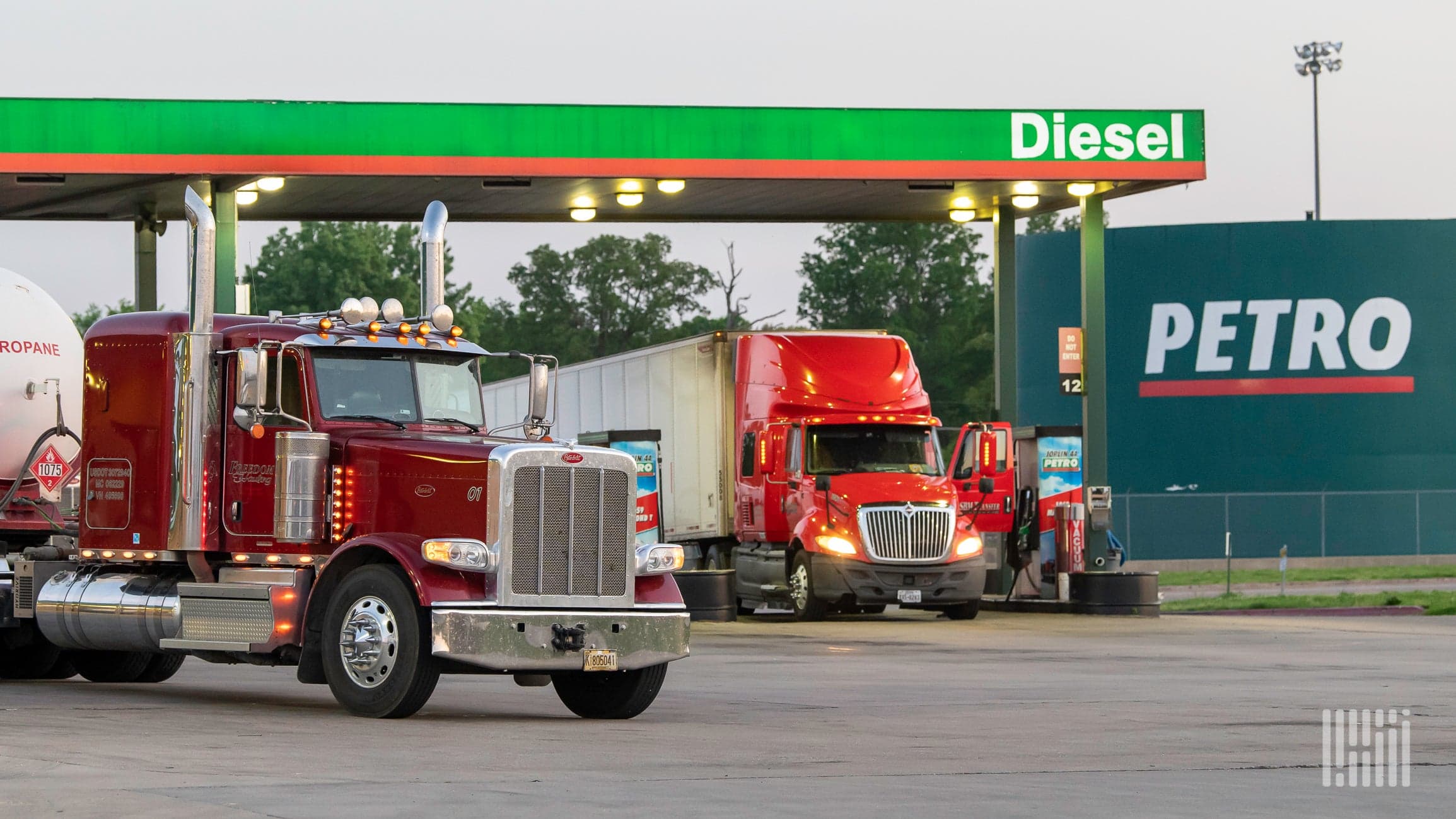
Freight costs surged 21.8% annually in Q1 2026 as diesel prices topped $5 per gallon and trucking capacity tightened. Shipper spending jumped 12.9% quarter-over-quarter while shipment volumes stayed flat, indicating supply-driven price increases.
Higher freight costs will compress margins for sellers using FBM or third-party logistics, especially those shipping heavy/bulky items. Review your shipping cost assumptions in Q2 planning and consider raising prices or switching more inventory to FBA to avoid direct freight exposure.
This represents a shift from the 2022-2025 freight recession to a supply-constrained market, forcing sellers to choose between margin compression or passing costs to customers through higher prices.
Check your 3PL contracts for fuel surcharge caps -- if uncapped, negotiate limits or switch more inventory to FBA to transfer freight risk to Amazon.
Review Q1 shipping costs in your P&L -- if freight expenses rose above 8% of revenue, increase product prices or prioritize lighter SKUs.
Bottom Line
21.8% freight cost spike means FBM sellers face margin squeeze.
Source Lens
Industry Context
Useful background context, but lower-priority than direct platform, community, or operator intelligence.
Impact Level
medium
21.8% freight cost spike means FBM sellers face margin squeeze.
Key Stat / Trigger
21.8% annual freight cost increase in Q1 2026
Focus on the operational implication, not just the headline.
Full Coverage
Shipper spending jumped sharply in the first quarter of 2026 as tightening truckload capacity and a spike in diesel prices pushed freight costs higher. According to the latest U. S. Bank Freight Payment Index even as shipper spending rose in the first quarter, shipment volumes remained relatively flat dipping 0. 3% quarter over quarter.
“This is a market being reshaped by supply, not demand,” said American Trucking Associations Chief Economist Bob Costello in a statement, noting that fewer trucks competing for freight — rather than a surge in volumes — is driving higher rates and costs. Shipment volume rose 0. 6% year over year during the first quarter, while shipper spending surged 12.
9% from Q4 2025 and 21. 8% annually — the largest sequential increase since the pandemic-era freight boom. The U. S. Bank index report points to a supply-side shift after a prolonged freight recession dating back to mid-2022.
Capacity tightened significantly during the quarter as smaller fleets and owner-operators faced rising operating costs, particularly fuel, forcing some to exit the market or idle equipment. Pricing power returned to carriers during the first quarter. According to the U. S. Bank National Spend Index, carrier pricing power climbed to 216.
7, while the shipments index remained relatively subdued at 75. 9, highlighting the growing disconnect between demand and costs.
The Midwest led all regions in both volume and spending growth, while the Southwest and Southeast saw declines in shipments but still posted double-digit increases in shipper spending — underscoring how widespread the capacity squeeze has become.
Fuel prices amplify pressure on shippers Fuel played a critical role in accelerating freight costs late in the quarter. Diesel prices surged sharply in March, including what the report describes as the largest weekly increase on record, with prices rising nearly $1 per gallon in a single week.
That spike translated directly into higher fuel surcharges, adding another layer of cost pressure for shippers already contending with tightening capacity and rising contract and spot rates. From a FreightWaves SONAR perspective, the national average retail diesel price (DTS. USA) has climbed above $5 per gallon.
As of Tuesday, the average retail price of diesel (DTS. USA) — the primary fuel source for Class 8 trucks —is currently at $5. 68. To learn more about SONAR, click here.
Sustained diesel prices at this level tend to accelerate carrier exits at the margin, particularly among smaller operators with limited access to credit, reinforcing the tightening capacity environment seen in the U. S. Bank data. While the U. S. Bank index highlights relatively flat shipment activity, SONAR data suggests underlying demand remains resilient.
The Truckload Tender Volume Index (STVI. USA), which measures shipper demand, is currently running approximately 11% to 13% higher year over year. As of Tuesday, the SONAR Truckload Rejection Index (STRI. USA) has risen about 3% since April 22. To learn more about SONAR, click here.
That aligns with the report’s characterization of stable — but not surging — freight volumes, with demand holding steady even as supply contracts. This dynamic — steady demand paired with shrinking capacity — is a classic setup for upward rate pressure, helping explain why spending is accelerating much faster than shipment growth.
Spot rates rose nearly 12% quarter over quarter, according to DAT data cited in the report, while contract rates also moved higher, narrowing the spread between the two. For shippers, the shift creates a more challenging planning environment. Costs are rising quickly without the typical demand signals that would normally accompany a tightening market.
“What makes this quarter stand out is how abruptly costs moved higher even though freight activity itself didn’t,” Bobby Holland, director of freight business analytics at U. S. Bank, said in a statement. The post Freight costs spike in Q1 as diesel tops $5: U. S. Bank index appeared first on FreightWaves.
Original Source
This briefing is based on reporting from Freightwaves. Use the original post for full primary-source context.
Style
Audience