

Retailers are rethinking prom with social-first marketing and faster trend turnarounds
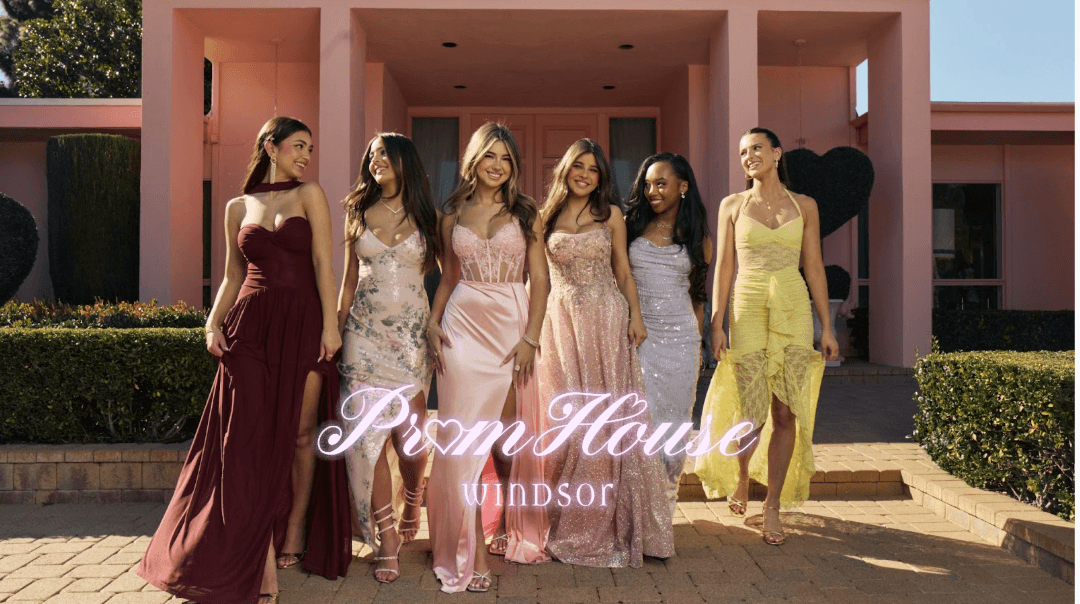
Windsor's social-first 'Prom House' influencer campaign is driving 20% YoY sales growth across e-commerce and in-store, with 3.2M video views and projected 15M reach — achieved by doubling marketing investment and shifting spend away from traditional models toward creator-led content. The $60-$200 dress price range is capturing Gen Z's red-carpet-at-fast-fashion-price demand, with 90% of assortment now produced by an in-house design studio to protect exclusivity and margin. David's Bridal, Macy's, Jovani (entering under $500), Azazie, and Lulu's are all competing for the same teen wallet this spring, signaling a fully democratized formalwear market where product differentiation is collapsing fast. This is not a prom story — it's a playbook for any seasonal apparel brand selling on TikTok Shop, Amazon, or Shopify in 2026.
The 90% in-house design figure is the most dangerous number in this article for marketplace sellers: Windsor is vertically integrating its way out of the wholesale ecosystem, meaning the white-label and co-manufacturer dress inventory flooding Amazon and TikTok Shop will face a brand that can undercut on price AND own the trend cycle.
For 7-8 figure apparel sellers still relying on third-party manufacturers with 90-120 day lead times, this is a margin compression signal — not a seasonal one.
TikTok Shop's algorithm rewards exactly the influencer-to-product pipeline Windsor is running, meaning catalog sellers without a creator affiliate program already activated are paying 30-40% higher CPMs to compete against organic-feeling content that converts at 2-3x the rate.
Starting Monday, any apparel brand doing $1M+ in seasonal categories needs to audit whether their TikTok Shop affiliate seeding program is live — if not, they are functionally advertising against organic content and losing.
This is part of a 2026 trend where the funnel for fashion discovery has fully inverted — TikTok content is the top of funnel, not search, and brands that haven't rebuilt their acquisition model around creator-led content are paying acquisition costs designed for an algorithm that no longer reflects how Gen Z shops.
The democratization of formalwear (Jovani entering under $500, fast-fashion DTC brands scaling up) mirrors what happened in activewear 2018-2021 — a race to the bottom on price that forces differentiation onto storytelling and community, not product specs.
For marketplace operators, this signals that TikTok Shop's affiliate and live commerce infrastructure is becoming the decisive competitive moat in any trend-driven category, and brands not building that flywheel now will face a structural disadvantage that ad spend cannot fix.
Pull your TikTok Shop Creator Center affiliate report and check your GMV-from-affiliates percentage — if it's under 30% of total TikTok revenue, immediately seed 10-15 micro-influencers (100K-500K followers) with free product this week before prom peak (April-May) locks in competitor momentum you cannot buy your way around.
On Amazon, run a Brand Analytics search term report for 'prom dress,' 'formal dress,' and 'homecoming dress' RIGHT NOW and identify the top 5 ASINs capturing clicks — if none are yours, launch a Sponsored Display campaign targeting those exact ASINs with a price-anchored creative (show your $X price point) before the April prom shopping surge hits its weekly peak around April 6-13.
In the next 30-60 days, pressure-test your seasonal inventory exit strategy: Windsor explicitly called out markdown risk as the #1 inventory threat in event-driven apparel — if you're buying deep on a narrow prom SKU selection, model out a 40% sell-through scenario now and set up automated price-drop rules in your repricer to clear units before May 15 when demand falls off a cliff and competitor liquidation pricing will crater your margins further.
Bottom Line
Social-first brands converting influencer reach into in-store sales at 20% YoY growth means your paid-only apparel strategy is already obsolete.
Source Lens
Industry Context
Useful background context, but lower-priority than direct platform, community, or operator intelligence.
Impact Level
medium
Social-first brands converting influencer reach into in-store sales at 20% YoY growth means your paid-only apparel strategy is already obsolete.
Key Stat / Trigger
20% year-over-year sales growth driven by social-first influencer campaign with 3.2M views
Focus on the operational implication, not just the headline.
Full Coverage
Digital Marketing Redux // March 24, 2026 Retailers are rethinking prom with social-first marketing and faster trend turnarounds By Melissa Daniels Teen-driven brand Windsor skipped the models and went straight to the influencers for this year’s prom campaign.
“Prom House” brought together six influencers, including the Clements Twins and TikTokker Faith Marie, to style unique prom looks inside a pink-washed content house. Beyond generating social and website content, the influencers also headlined an activation at New York’s Roosevelt Field Mall this past weekend that saw hundreds of teens line up.
The campaign’s projected reach is around 15 million, with videos already generating 3. 2 million views. So far, the company is seeing 20% year-over-year sales growth, stemming from both e-commerce and in-store gains. “We could easily have models do their thing.
But this to me is so much more real, so much more organic,” said Ike Zekaria, president at Windsor. “The conversation really begins on social media and seamlessly carries through to our website and then into our stores.” Formalwear brands are leaning into social-first, trend-driven marketing this year to capture prom spending in a competitive landscape.
Legacy retailers like David’s Bridal, Macy’s and Bloomingdale’s offer prom collections, and online direct-to-consumer sites like Azazie, Lulu’s and Birdy Grey are also tapping the space. With teens seeking red-carpet looks at fast-fashion prices, even some luxury brands are looking to get into the foray.
Designer gown brand Jovani, for example, created a 2026 prom line for under $500. Windsor, an 89-year-old company with about 350 stores nationwide, doubled its marketing investment to stay competitive this year. Zekaria said he’s less concerned about ROAS than overall relevance to today’s teen shoppers.
“Gen Z were essentially born with a phone in their hands, right? So they’ve had marketing come to them since day one. They can quickly suss out what’s authentic and what’s not really, and so we’ve taken an [authentic] approach, and it has felt right to us,” he said.
Behind the scenes, brands like Windsor are also working to keep their product assortments as fresh as possible, from a customer standpoint — without jeopardizing their inventory with excess merchandise they have to discount when the season is over.
For Windsor, prom is just a segment of its overall inventory, which also includes event-driven apparel for festivals, homecoming, New Year’s Eve and graduation.
In turn, the design team doesn’t over-index on prom and keeps the inventory in its 350 stores targeted toward what it knows is likely to sell in which region — whether that means putting more Western-themed wear in Texas stores or loading up on brighter colors and prints in Miami.
The company’s evoke the red-carpet looks that have dominated this year’s award shows, including corsets, jewel tones and fairy-tale aesthetics. Dresses are cost-competitive, ranging from around $60-$200.
Zekaria said about 90% of this year’s assortment at Windsor was created by the company’s in-house design studio that began its work last year, versus letting co-manufacturers take the lead or buying from wholesalers. This team travels the world to source exclusive fabrics, Zekaria said, allowing Windsor to come up with more unique dresses.
“We have said, ‘OK, we are committed to prom on a year-round basis,’ essentially,” he said. “That’s really the only way to get reads during the off season, and be able to live with slower-turning inventory and high markdown risk.”
David’s Bridal, for its part, took its merchandising wider than ever this year to be able to put more individualized looks in its stores. Rather than buying deep out of a narrow selection, it’s going broader and doing smaller stock levels of more SKUs in stores. Online, it’s adding more third-party brands to its e-commerce assortment like Bebe.
Elina Vilk, president and chief business officer at David’s Bridal, said that change is driven by social media trends. Every red carpet awards show tends to lead to new in-demand designs, whether that’s high slits or statement details like floral appliques.
“It used to be that we would buy about 20 styles and roll them out very deeply across 20 stores,” Vilk said. “This time around, we have our core that we know is going to work every time. But trends shift so much, so we’re also getting more assortment faster and hopping on trends.”
David’s Bridal has also leaned into social media to promote prom sales this year. It kicked off the prom season by doing organic seeding with influencers. In January, it launched an affiliate program called the Style Squad brand ambassador program, with the opportunity for the best
Original Source
This briefing is based on reporting from Modern Retail. Use the original post for full primary-source context.
Style
Audience