

WD-40 hit with 100% spike in some sourcing costs from Iran war
The maintenance and household products maker said effects from the conflict strained its supply chain last quarter.
Source Lens
Industry Context
Useful background context, but lower-priority than direct platform, community, or operator intelligence.
Impact Level
medium
Use this briefing to decide whether your team needs an immediate workflow, policy, or reporting change.
Key Stat / Trigger
No single quantitative trigger surfaced in this report.
Focus on the operational implication, not just the headline.
Full Coverage
An article from Dive Brief WD-40 hit with 100% spike in some sourcing costs from Iran war The maintenance and household products maker said effects from the conflict strained its supply chain last quarter.
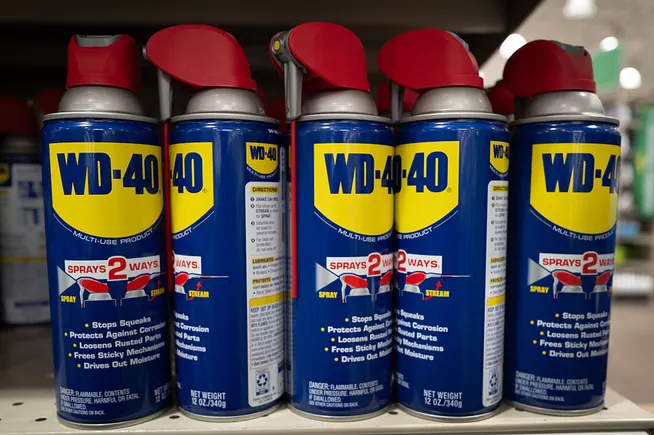
Published July 20, 2026 Antone Gonsalves Reporter Share Copy link Email / Print License Add us on Google WD-40 products are offered for sale at a home improvement store on April 8, 2026, in Chicago, Illinois. WD-40 reports that the Iran war has also disrupted raw material sourcing for some third-party manufacturers.
Scott Olson via Getty Images Listen to the article 3 min This audio is auto-generated. Please let us know if you have feedback. Dive Brief: WD-40's input costs for specialty chemicals rose by as much as 100% last quarter, largely due to higher oil prices linked to the Iran war, VP of Finance and CFO Sara Hyzer said in a July 9 earnings call.
Price hikes driven by higher costs hit Asia Pacific and Europe, while the U. S. avoided increases thanks to earlier fiscal-year pricing actions, President and CEO Steve Brass said. U. S. pricing will be reviewed in the next fiscal year starting Sept. 1.
Supplier prices for the specialty chemicals and base oils WD-40 buys are expected to decline slowly, easing input-cost pressure on margins over time, Hyzer said. Dive Insight: WD-40 began bracing for higher costs linked to the Iran war after seeing expenses rise for certain petroleum-based specialty chemicals in the quarter ended February.
At the time, Hyzer told investors that higher raw material spending typically takes 90 to 120 days to show up in the cost of products sold. Those elevated costs are expected to work through WD-40’s production and inventory cycles over the next several months, Hyzer said.
The company expects its countermeasures — pricing actions and cost-saving initiatives across many regions — to have the greatest impact in the next fiscal year. “It’s just the nature of the environment,” Hyzer said. “The costs go up pretty fast and then there’s a slower pace for it to step down.”
Beyond higher costs, the Iran war has disrupted raw material sourcing for some third-party manufacturers in WD-40’s Europe, India, Middle East and Africa segment, according to a recent securities filing. Shipping routes to certain customers supplied to India and the Middle East have also been affected.
The company is addressing supply chain constraints and transportation disruptions with temporary measures, including alternative shipping routes and coordination with third-party manufacturers to maintain supply chain flexibility, per the filing.
Meanwhile, distributors and customers in India, China and parts of Europe built inventory early, partly over concerns about product availability and to get ahead of price increases, Brass said. As a result, some of the demand expected this quarter shifted into the previous one.
WD-40’s experience echoes that of other branded consumer goods makers facing rising costs from the Iran war. McCormick & Co. recently reported higher logistics spending partly tied to the conflict, while Procter & Gamble projected a $150 million after-tax hit for the fiscal year that ended June 30 from higher oil-related costs and shipping disruptions.
Helen of Troy, parent of brands including Hydro Flask, Osprey and Drybar, plans to use tariff refunds to offset supply chain inflation made worse by the Iran war.
Recommended Reading WD-40 braces for Iran war impact on supply costs By Antone Gonsalves • April 15, 2026 Add us on Google Share Copy link Email / Print License Filed Under: Risk and Resilience, Procurement, Logistics, Manufacturing
Original Source
This briefing is based on reporting from Supply Chain Dive. Use the original post for full primary-source context.
Style
Audience