

Why cargo theft affects every American
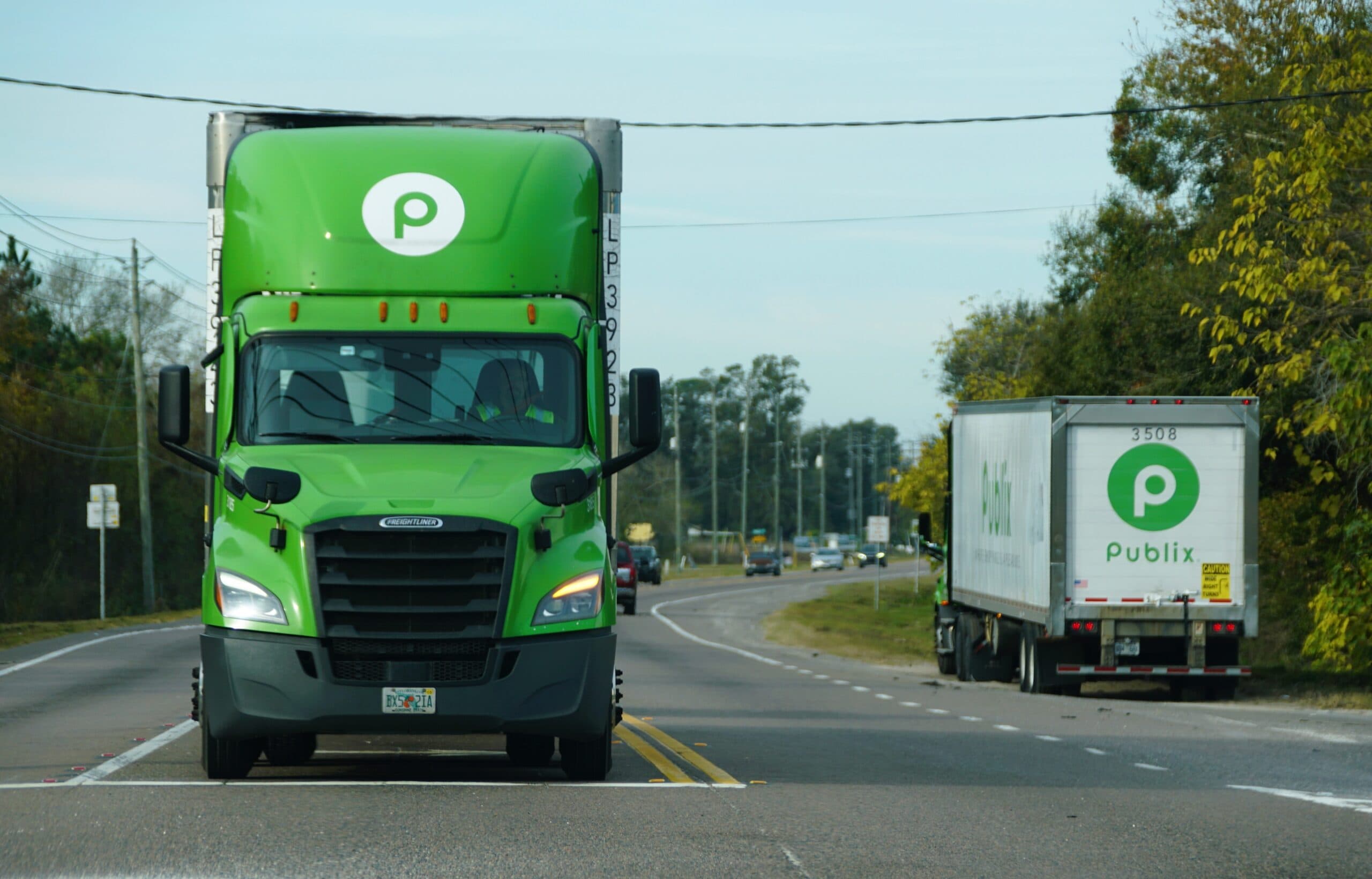
From cartel-linked theft investigations to testimony before Congress, Lemm's message was clear: cargo theft is no longer just a transportation problem. The post Why cargo theft affects every American appeared first on FreightWaves.
Source Lens
Industry Context
Useful background context, but lower-priority than direct platform, community, or operator intelligence.
Impact Level
medium
Use this briefing to decide whether your team needs an immediate workflow, policy, or reporting change.
Key Stat / Trigger
No single quantitative trigger surfaced in this report.
Focus on the operational implication, not just the headline.
Full Coverage
When Donna Lemm speaks about cargo theft, she is not speaking as an observer. She is speaking as someone who has lived through it. During her keynote discussion at the Fraud Symposium at the Rock & Roll Hall of Fame in Cleveland, Lemm delivered a message that was equal parts warning, encouragement and call to action.
While much of the industry’s conversation around cargo theft focuses on statistics, technology and criminal tactics, her message centered on something else entirely: people. For decades, Lemm has been a respected voice in transportation and logistics. Today, she serves as chief strategy officer at IMC Logistics.
Donna has become one of the industry’s most visible advocates in the fight against organized cargo theft. Her efforts took her to Washington, D. C. , where she testified before the U. S. Senate Judiciary Committee in 2025 about cargo theft, organized retail crime and their growing impact on the nation’s supply chain.
“It’s a little scary,” she admitted when discussing her congressional testimony. Preparation, authenticity, and a commitment to telling the truth helped carry her through. She described the experience not as a political exercise, but as an opportunity to represent an industry facing a problem that has grown far beyond isolated theft incidents.
Looking back, she emphasized the human element of the experience. Despite the formality of the hearing room, she found encouragement in the interactions she had with lawmakers and staff members who understood the importance of the issue and were willing to listen. When cargo theft became something bigger The issue became personal years ago.
During her keynote, Lemm described an incident involving two stolen loads taken from an IMC Logistics facility in St. Louis. IMC Logistics was the victim in the incident; the company’s freight was stolen, and the alleged criminal activity was carried out by third parties unknown to the company at the time.
According to Lemm, local authorities initially treated the matter as an insurance issue before federal investigators later contacted the company regarding the stolen equipment. She said investigators later told her they had recovered the stolen trailers and that cash had allegedly been concealed inside the reefer units.
Lemm also said she was told the shipment may have been headed out of state, possibly toward the southern border. During her testimony before the U. S. Senate Judiciary Committee, Lemm similarly recounted the incident and said investigators believed the recovered equipment may have been connected to a broader organized theft investigation.
The account is based on Lemm’s keynote remarks and Senate testimony describing what investigators told her following the recovery of the stolen equipment.
FreightWaves has not independently verified the investigative details, the reported discovery of cash inside the recovered units, the alleged destination of the shipment, or any potential connection to a broader organized or transnational criminal operation. Security can no longer be an afterthought “How do you know it’s bigger than us?”
she asked the audience. “You start talking and other people start talking.” Those conversations have revealed what Lemm believes is a troubling reality. During her keynote, she described what she sees as an increase in the aggressiveness and sophistication of criminal groups targeting freight moving through the supply chain.
Lemm pointed to trains stopped in remote areas, unattended containers and unsecured freight staging areas as examples of vulnerabilities that organized theft groups can exploit. In many cases, she said, the criminals are not targeting a specific shipment but rather looking for opportunities.
As described during her keynote, organized theft groups may board trains stopped in isolated areas, break seals and search for valuable cargo. Lemm argued that even when cargo is not stolen, tampering can create significant losses, particularly for refrigerated and perishable shipments.
These observations reflect Lemm’s assessment based on her industry experience and discussions with supply chain stakeholders. FreightWaves has not independently verified the specific trends, incidents or examples referenced in her remarks.
“We never once thought about the value and security of the goods,” she said while reflecting on earlier stages of her career. “We were talking only about speed.” That mindset is no longer enough. Throughout the discussion, Lemm repeatedly returned to the importance of verification, authentication and physical security.
She encouraged shippers, brokers and logistics providers to ask tougher questions about where freight is being staged, how facilities are secured, and what protections exist beyond basic compliance requirements. In her view, security can no longer be treated as a secondary consideration or a discussion centered solely around cost.
The industry must understand where freight is going, who is handling it and what safeguards are
Original Source
This briefing is based on reporting from Freightwaves. Use the original post for full primary-source context.
Style
Audience