

US forces fire on Iran-bound tanker
U.S. forces disabled an unladen oil tanker in the Arabian Gulf that was attempting to sail toward Iran in violation of a naval blockade. The post US forces fire on Iran-bound tanker appeared first on FreightWaves.
Source Lens
Industry Context
Useful background context, but lower-priority than direct platform, community, or operator intelligence.
Impact Level
medium
Use this briefing to decide whether your team needs an immediate workflow, policy, or reporting change.
Key Stat / Trigger
No single quantitative trigger surfaced in this report.
Focus on the operational implication, not just the headline.
Full Coverage
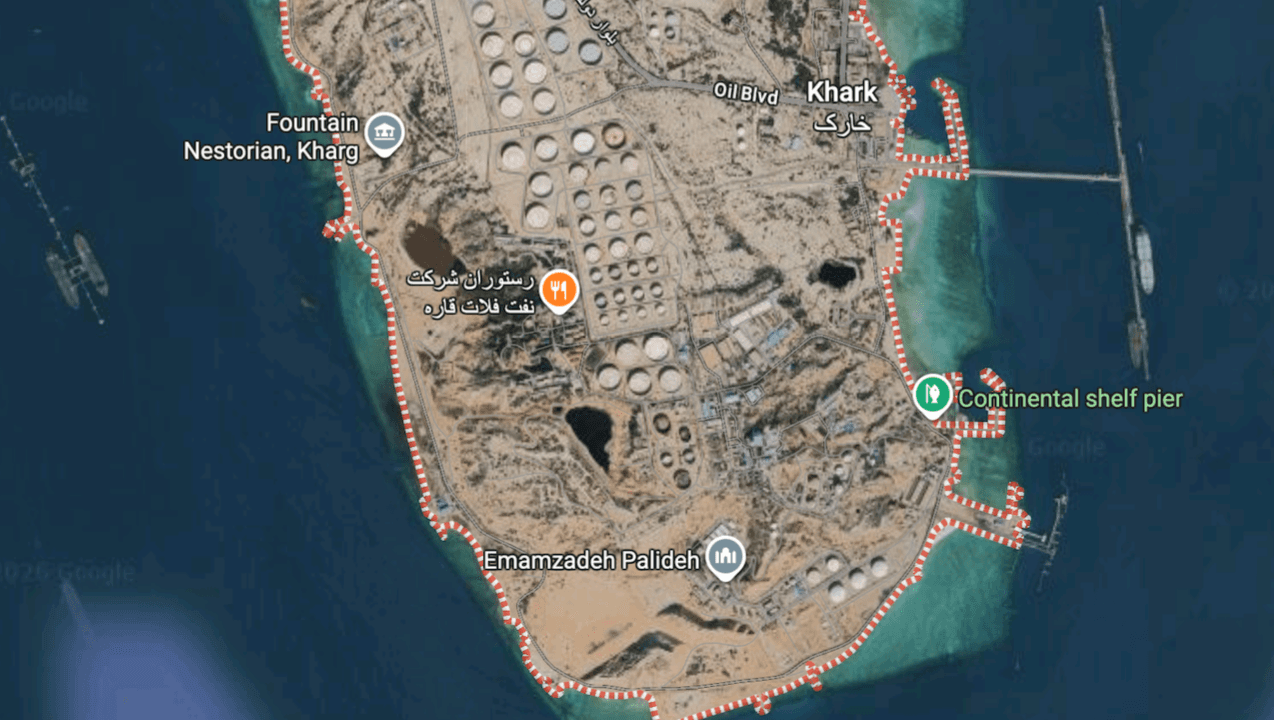
U. S. forces on Wednesday opened fire with missiles to disable an Iran-bound merchant vessel they say was trying to run a blockade in the Arabian Gulf. The Curacao-flagged M/T Belma was transiting international waters toward Iran‘s Kharg Island crude oil terminal, U. S. Central Command said.
“The commercial vessel ignored multiple warnings as it attempted to violate the U. S. blockade. A U. S. aircraft disabled the vessel after firing Hellfire missiles into the ship’s smokestack. “The ship is no longer transiting to Iran.” The U. S.
deployed a blockade of Iranian ports and coastal areas July 14 amid an exchange of heightened attacks as the ceasefire between Washignton and Tehran fell apart. The U. S. said it has also redirected two compliant commercial vessels in that time.
Crude oil futures stabilized around $78 a barrel as a steady but reduced stream of commercial ships transits the Strait of Hormuz, according to the Joint Maritime Information Center. Read more articles by Stuart Chirls here. Read more: OOCL turnaround on robust trans-Pacific results NEW: Trade turbulence turns to record volume for top U. S.
port Jaxport adds new Asia-LatAm-Med container service DP World plans UAE port, container terminal to bypass Strait of Hormuz: Report Iran conflict drives up Asia-US container rate by 276% The post US forces fire on Iran-bound tanker appeared first on FreightWaves.
Original Source
This briefing is based on reporting from Freightwaves. Use the original post for full primary-source context.
Style
Audience