

64% of Gen Z shoppers act on AI recommendations without verification
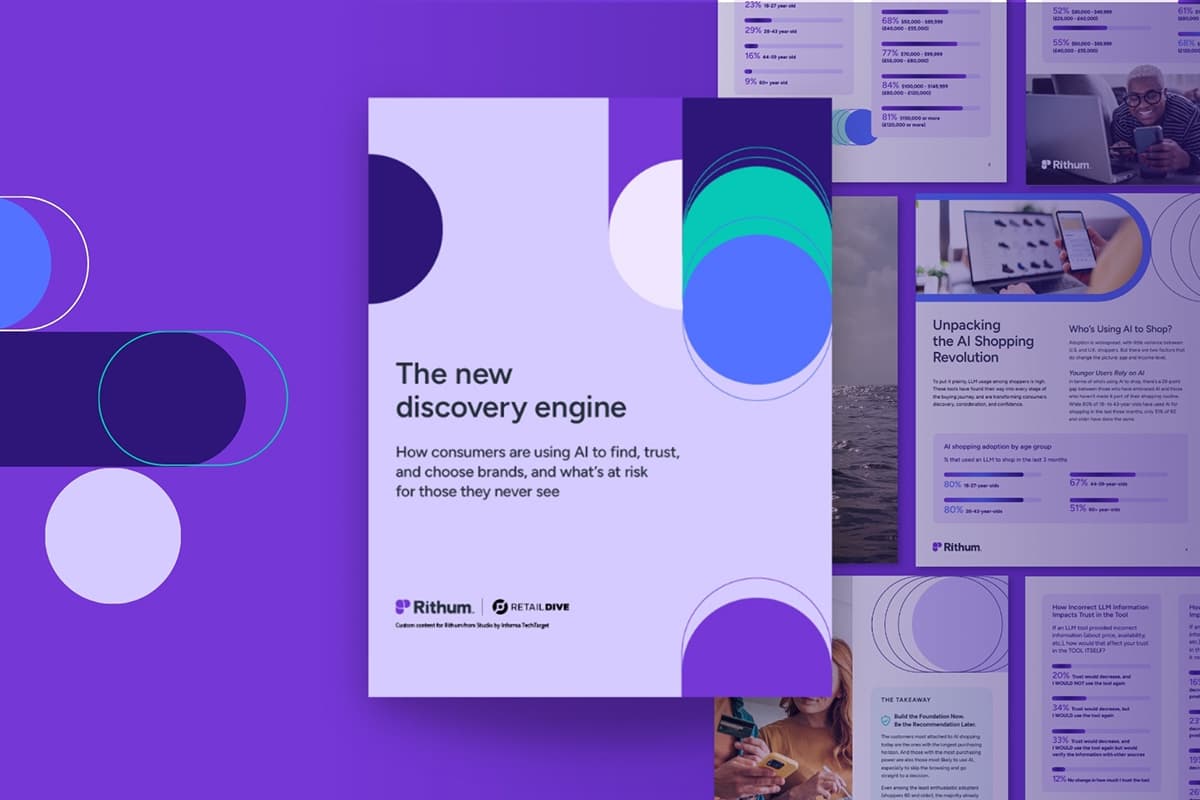
64% of Gen Z shoppers (18-27) make purchases based on AI recommendations without verification, with 95% not checking brand websites. 36% make faster purchasing decisions when using AI tools.
AI is becoming the new product discovery layer, making your product data quality and SEO optimization critical for AI training datasets. Focus on structured data markup and consistent product information across all channels since traditional brand website traffic for verification is declining.
As AI becomes the primary product discovery mechanism, sellers who optimize for AI recommendation engines rather than traditional search will capture disproportionate share of Gen Z purchasing power.
Audit product titles, descriptions, and attributes across all channels - ensure consistency since AI pulls from multiple sources for recommendations.
Implement structured data markup (schema.org) on product pages to improve AI tool data ingestion and recommendation accuracy.
Bottom Line
AI product discovery means data quality is your new storefront.
Source Lens
Industry Context
Useful background context, but lower-priority than direct platform, community, or operator intelligence.
Impact Level
medium
AI product discovery means data quality is your new storefront.
Key Stat / Trigger
64% of Gen Z make purchases from AI recommendations without verification
Focus on the operational implication, not just the headline.
Full Coverage
Rithum has released new research highlighting a generational shift in online shopping behaviour. The survey of 1,046 online shoppers across the U. S. and U. K. finds that 64% of 18-to-27-year-olds have made a purchase based on an AI recommendation without verifying the information through other channels.
The findings suggest that for a growing share of younger consumers, who are among the earliest adopters and most prolific users of AI, these AI tools are both supporting product discovery and increasingly influencing final purchase decisions.
Traditional verification behaviours are playing a limited role in the process, with 95% of shoppers admitting they don’t check information LLMs provide against a brand website. AI is also accelerating the pace of decision-making. Over a third (36%) of shoppers say they make faster purchasing decisions when using AI tools.
When shoppers do choose to verify AI-generated recommendations, they are more likely to turn to search engines (28%), friends and family (17%), or their own prior experience (17%) than to brand or retailer websites. This reinforces the importance of maintaining accurate and consistent product information across the wider commerce ecosystem.
AI is reshaping how younger shoppers discover and evaluate products, and Gen Z’s digital-native instincts mean they’re less likely to question what AI tells them. As these behaviors spread across generations, the stakes for brands and retailers rise sharply.
When AI becomes the storefront, the product data feeding it isn’t just a technical input—it’s the brand experience. – Sam Griffin, VP, Strategy and Engagement, Rithum Rithum’s research highlights that for many shoppers, particularly younger ones, AI is becoming an increasingly influential input in the purchase journey.
Rithum also discovered that of shoppers using AI: 36% use it always or often to discover new brands and products 43% say they compare more options 34% feel more confident in their purchasing decisions
Original Source
This briefing is based on reporting from Tamebay. Use the original post for full primary-source context.
Style
Audience