

Rising gas prices threaten impulse purchases at convenience stores
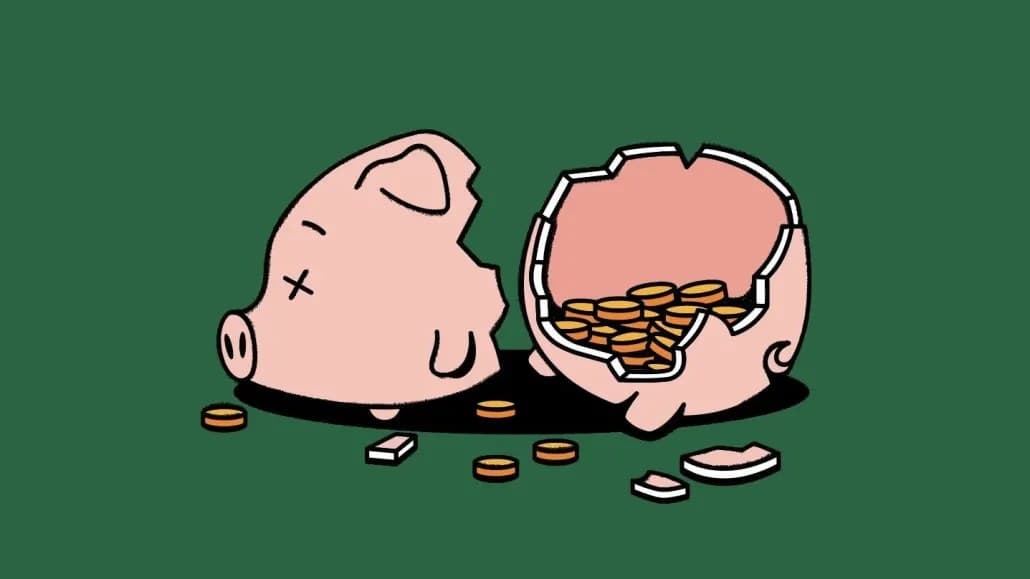
Thanks to rising gas prices, shoppers are switching up where they buy their gas, and what purchases they are making while doing so. One habit that may be most acutely threatened is the tradition of picking up a soda, bag of chips or energy bar at the gas station.
Source Lens
Industry Context
Useful background context, but lower-priority than direct platform, community, or operator intelligence.
Impact Level
medium
Use this briefing to decide whether your team needs an immediate workflow, policy, or reporting change.
Key Stat / Trigger
No single quantitative trigger surfaced in this report.
Focus on the operational implication, not just the headline.
Full Coverage
New Economic Realities // July 14, 2026 Rising gas prices threaten impulse purchases at convenience stores By Anna Hensel Ivy Liu Rising gas prices are having all sorts of ripple effects on shopping behavior. And one habit that may be most acutely threatened is the tradition of picking up a soda, bag of chips or energy bar at the gas station.
During its second-quarter earnings call on Thursday, PepsiCo executives said that sales at “impulse channels” like gas stations and convenience stores have been challenged, likely due to rising gas prices and the Iran War. As of July 13, the national average price for a gallon of regular gas was $3. 87, according to AAA.
“We’ve seen a slowdown of the conversion of traffic into purchases,” Ramon Laguarta, chairman and CEO of PepsiCo, said during the earnings call. PepsiCo’s net revenue was still up 6. 4% year over year during the second quarter.
Retail executives at convenience stores, warehouse chains and CPG giants like PepsiCo are all trying to figure out how rising gas prices may affect their businesses. If people don’t visit gas stations as frequently, it stands to reason that they may not make impulse purchases there as frequently.
And there’s data to suggest that gas station owners have a right to be worried. Location analytics firm Placer. ai, which tracks weekly foot traffic to different retailers year over year, has noted a consistent decline in visits to gas stations since mid-April. For the week of June 29, visits to gas stations were down 4. 1% year over year.
It’s worth noting that Placer. ai analyzes foot traffic data from over 30 gas station chains across the U. S. , exclusively tracking those with on-site convenience stores. But it’s not just that shoppers are limiting driving and cutting back their visits to gas stations in response to higher gas prices.
They are also prioritizing visits to places with the lowest gas prices. And in turn, they may make different impulse purchases there, depending on what the retailer is pushing.
During its fourth-quarter earnings call in June, executives at Casey’s General Stores, which owns about 2,900 stores across the Midwest, were asked how they are thinking about rising gas prices. Darren Rebelez, Casey’s president and CEO, said that Casey’s typical price per gallon “tends to price at the lower end of the competitive set as it is.”
In turn, he added, “We think, ultimately, in a higher-price environment, that accrues to our benefit as we get more people coming to our stores versus somewhere else.”
Casey’s pizza sales — which have become a cornerstone of its business — are up 10% year-over-year, he noted, a sign that Casey’s customers still have the appetite to spend additional money at a gas station. Elizabeth Lafontaine, director of research at Placer.
ai, noted in an interview with Modern Retail that many convenience stores have sought to build out their fresh and prepared food offerings post-pandemic to capture more sales from shoppers.
“I think there’s a lot more competition between all of these different types of channels that we wouldn’t necessarily think of as being co-related in the mind of the consumer,” she said.
For example, she said that wholesale clubs have benefited from higher gas prices — more people are opting to fill up their tanks at Costco, Sam’s Club or BJ’s Wholesale to take advantage of member benefits. For the week of June 29, Placer. ai data shows visits to warehouse clubs were up 9.
6% year over year – a sharp contrast to the decline in visits to gas stations. “From the warehouse club perspective, we’ve continued to see that channel do very well over the past 18 months,” Lafontaine said.
During a time of economic volatility, more shoppers have come to see warehouse clubs as places that “deliver great inherent value day in and day out,” with lots of additional services and perks, she said. “The gas is sort of just an additional benefit for the behavior we’re seeing,” Lafontaine said.
“Consumers view these types of warehouse clubs as one-stop shops — and now they can also get gas while they’re doing that stock-up trip and potentially cut out an additional trip they may have taken — it’s sort of a win-win for the consumer.”
How deeply consumer behavior is reshaped by rising gas prices also depends on how long this inflationary period lasts. Laguarta, for his part, said that PepsiCo is still seeing a lot of “green shoots” in the second half of the year — its international business is still growing strongly, for example.
And he said PepsiCo is working to address challenges in the convenience store channel in the short-term. “In those particular channels, we’re working with our customer partners in solutions to convert more of the traffic in store — bundles, linking to meals, solutions to address that particular channel,” he said during the earnings call. LinkedIn Faceb
Original Source
This briefing is based on reporting from Modern Retail. Use the original post for full primary-source context.
Style
Audience