After Lineage fire, new California laws target cold-storage warehouses
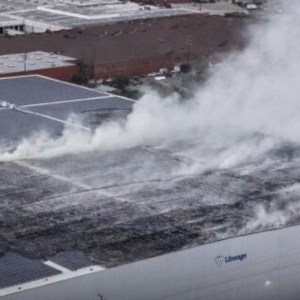
California signed AB 817 and SB 716 requiring large cold-storage facilities to fund community emergency reserves (up to $20M) and face fines up to $50,000 per violation following the June 2025 Lineage warehouse fire. Sellers relying on California cold-chain 3PLs face potential cost pass-throughs as compliance costs rise.
This is part of a broader regulatory tightening on industrial facilities post-disaster, signaling rising compliance costs across the cold-chain -- a direct margin compression risk for food, supplement, and pharma brands using California fulfillment nodes.
Cold-chain 3PLs operating large California facilities will absorb new insurance and contingency fund costs, and those costs will flow downstream to brands storing perishables, frozen goods, or pharma products. Audit your 3PL contracts now for force majeure clauses and fee adjustment language before renewals hit.
Operational Impact
This story may require teams to revisit workflows, monitoring, or platform assumptions.
Bottom Line
New CA cold-storage laws mean higher 3PL costs for frozen and perishable sellers.
Source Lens
Industry Context
Useful background context, but lower-priority than direct platform, community, or operator intelligence.
Impact Level
medium
New CA cold-storage laws mean higher 3PL costs for frozen and perishable sellers.
Key Stat / Trigger
Fines up to $50,000 per violation for qualifying health and safety violations under SB 716
Focus on the operational implication, not just the headline.
Full Coverage
California Gov. Gavin Newsom has signed legislation that will require some cold-storage operators to establish emergency financial resources for affected communities and allow local governments to impose substantially higher penalties for health and safety violations.
The measures, Assembly Bill 817 and Senate Bill 716, follo the June 17 fire at a nearly 500,000-square-foot Lineage cold-storage warehouse in Los Angeles. The blaze burned for eight days, triggering a state emergency declaration and a prolonged cleanup effort amid public-health concerns in surrounding neighborhoods.
AB 817, authored by Assembly member Mark González (D-Los Angeles), makes a contingency fund or insurance coverage for specified community emergency needs a condition of approval for building permits covering certain large cold-storage facilities.
The law is designed to ensure that resources are available for residents when a cold-storage emergency disrupts a neighborhood. Industry opposition groups said the measure could impose new financial obligations on cold-chain companies and ultimately raise costs through the food and pharmaceutical supply chain.
The Global Cold Chain Alliance said cities and counties could set required contingency funds from zero to $20 million as a permit condition. SB 716, sponsored by Sen. Maria Elena Durazo (D-Los Angeles), strengthens local enforcement authority for health and safety violations involving specified nonresidential buildings of at least 20,000 square feet.
For qualifying violations that lead to a governor-declared emergency or federal disaster declaration, fines may reach $50,000 per violation. The enhanced penalties will initially apply in Los Angeles County before expanding to qualifying areas statewide on July 1, 2028.
Current local penalties can amount to only hundreds or thousands of dollars, Durazo said, an amount she argued was insufficient to reflect the harm stemming from major industrial incidents. The Los Angeles Fire Department determined the fire originated on the roof at or near a 13,000-panel solar array and involved an electrical event.
However, because the precise electrical trigger could not be definitively proven, the official cause remains classified as undetermined. Lineage said its cleanup and remediation alone would exceed $100 million. That work included removing more than 89 million pounds of spoiled food, demolishing the damaged structure and disinfecting the site.
The bills are California Latino Legislative Caucus priorities and focus on the aftermath of the Lineage warehouse fire in the mostly Hispanic neighborhood, which led to smoke, cleanup challenges and concerns surrounding deteriorating food at the site. Lineage Chief Executive Greg Lehmkuhl said during an earnings call that the company had committed $3.
3 million to assist the community after the fire. “Boyle Heights showed us the lasting impact a major facility emergency can have on a community,” Newsom said in a statement. “These laws strengthen the tools, resources and accountability needed to protect residents and help communities respond when emergencies happen.”
Read more articles by Stuart Chirls here. Read more: China lead-time concerns surge as shippers widen global sourcing networks Suez return speeds up Savannah India service by 10-14 days No mention of U. S.
-China ship taxes in trade truce Hapag-Lloyd revises Zim offer as Israeli approval concerns persist But no pandemic high: Asia-US container rate at $9,600 The post After Lineage fire, new California laws target cold-storage warehouses appeared first on FreightWaves.
Review your cold-storage 3PL contracts for fee escalation clauses -- if no cap exists, renegotiate before California penalties take effect and operators reprice storage rates.
In the next 30 days, diversify cold-chain storage across at least one non-California facility to reduce single-point regulatory and operational risk.
Original Source
This briefing is based on reporting from Freightwaves. Use the original post for full primary-source context.
Style
Audience