Bath & Body Works is testing smaller-batch fragrances through Hype Lab
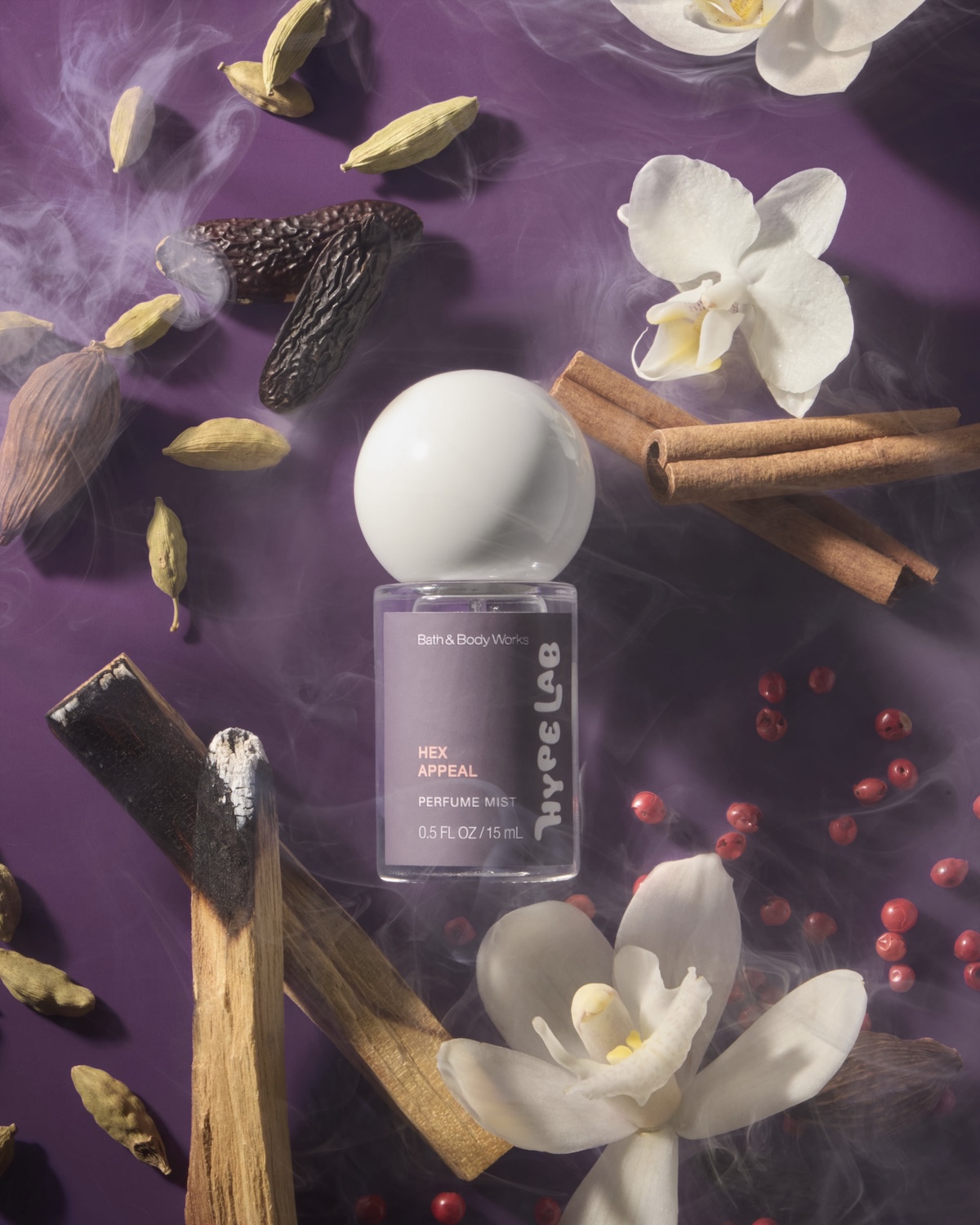
Bath & Body Works launched Hype Lab, a small-batch fragrance initiative developing trend-driven scents in 8-12 weeks. First drop sold out online in 3 minutes; program runs on their 'Drops' platform as part of a broader turnaround strategy after Q2 sales fell 2.3% YoY to $1.5B.
Brands that move slowly on cultural trends cede early search volume and social buzz to faster operators. This accelerates the broader shift toward agile, test-and-learn inventory models over traditional 12-18 month product development cycles.
The viral sellout model (scarcity + cultural trend alignment) is a playbook any CPG or beauty brand on Amazon/Walmart can replicate using limited-time deals and trend-based product launches. Sellers in beauty, home fragrance, or seasonal categories should monitor Bath & Body Works' Drops cadence as a leading indicator of which scent/flavor trends will hit mass search volume on Amazon within 60-90 days.
Operational Impact
This story may require teams to revisit workflows, monitoring, or platform assumptions.
Bottom Line
Bath & Body Works' trend-to-shelf in 8 weeks sets a new speed benchmark for beauty sellers.
Source Lens
Industry Context
Useful background context, but lower-priority than direct platform, community, or operator intelligence.
Impact Level
low
Bath & Body Works' trend-to-shelf in 8 weeks sets a new speed benchmark for beauty sellers.
Key Stat / Trigger
Perfume mist trio sold out online in 3 minutes
Focus on the operational implication, not just the headline.
Full Coverage
Digital Marketing Redux // October 14, 2026 Bath & Body Works is testing smaller-batch fragrances through Hype Lab By Anna Hensel Bath & Body Works In September, Bath & Body Works released a mini trio of perfume mists inspired by viral desserts: Japanese Cheesecake, Strawberry Dubai Chewy Cookie and Angel Hair Chocolate.
But shoppers had to act fast to get them. The perfume mists sold out online within three minutes.
This wasn’t a normal product launch from Bath & Body Works, but rather a release from Hype Lab, the company’s new initiative dedicated to releasing small-batch, limited-edition fragrances developed quickly based on social and cultural trends, as well as consumer feedback.
The products live on Drops, a consumer-facing platform where Bath & Body Works also releases early-access products and other online exclusives. The next product, a spooky season-inspired scent called Hex Appeal, drops on Tuesday at 2 pm ET.
“It’s really creating fragrance at the speed of culture, testing with consumers, learning in real-time [and] listening to their feedback,” Kristie Lewis, evp of merchandising at Bath & Body Works, said in an interview. Internally, Bath & Body Works is in a period of transformation. In the second quarter, the company’s sales declined 2.
3% year over year to $1. 5 billion. In May of 2025, the company appointed a new CEO, former Nike Chief Strategy and Transformation Officer Daniel Heaf. That November, Heaf unveiled a new multi-year turnaround strategy called Consumer First Formula.
“Underlying business trends remain pressured, but we are seeing further evidence that elements of the Consumer First Formula are beginning to work,” Heaf said in an August press release announcing second-quarter results.
The strategy consists of four pillars: creating disruptive products, reigniting the brand, winning in the marketplace and operating with speed and efficiency. It’s that first pillar in particular that Lewis and her team control.
Some of the products Bath & Body Works recently released as part of that mandate include Essentials, a body-care line for sensitive skin, and Reserve, a more minimalist line of home-fragrance products designed to look more like home-decor centerpieces. Hype Lab is a cross-functional effort at Bath & Body Works.
In May, Lewis started creating her “ninja team,” as she calls it, pulling different people from the digital, creative, merchandising and in-house fragrance teams to work on Hype Lab. The products coming out of Hype Lab take about 8-12 weeks to develop.
Bath & Body Works partners with MANE fragrance house on the scents and bottles them in Bath & Body Works’ Ohio manufacturing facilities. Bath & Body Works is looking at trends on social platforms like Instagram and TikTok for cues on what scents to develop next through Hype Lab.
But Lewis said she also wants to take inspiration from unexpected sources, including sports, movies or podcasts. In other words, she sees Hype Lab as a way to gather information about what cultural moments Bath & Body Works customers are currently obsessed with, and try to create a fragrance or a sensorial experience inspired by it.
“For Bath & Body Works, we’ve always been a part of culture in a weird way because we were the first to really kind of go after the gourmand category,” Lewis said. But now “people are just more experimental in fragrance,” she said.
Hex Appeal, the next scent in the Hype Lab lineup, is dropping in time for Halloween and is described as: “Modern, spicy, woody and infinitely bewitching. Think cool girl allure, romance and incense.” Since all of these drops are small-batch, Lewis said sales aren’t the primary metric by which these releases are judged.
Rather, “we’re looking at how the consumer is coming back, whether it be on social media comments or in the comments and reviews online, to tell us what they love and what they don’t love.” Bath & Body Works is compiling all of that information to inspire future collections at scale.
“Our goal is really just to test, learn and listen to the consumer, and create with them,” Lewis said. Copy link
Check Amazon Brand Analytics 'Search Query Performance' for gourmand and trending scent keywords (e.g., 'Dubai chocolate,' 'Japanese cheesecake') -- if search volume is rising, launch a complementary product or run Sponsored Brands on those terms before the trend peaks.
In the next 30 days, audit your seasonal product launch timeline: if you're not developing Halloween, holiday, or Q1 trend-driven SKUs now, you're already behind the 8-12 week window competitors are using.
Original Source
This briefing is based on reporting from Modern Retail. Use the original post for full primary-source context.
Style
Audience