E-commerce shippers exploit USPS to dispose of undelivered packages
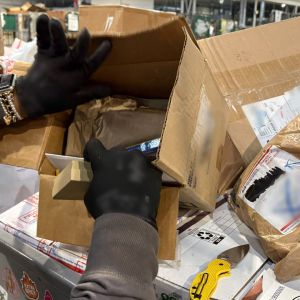
The U.S. Postal Service system for handling undelivered packages is a black hole for customers, who rarely get matched with a missing item, and a money pit for the agency because it absorbs the disposal cost when e-tailers refuse to accept return-to-sender packages, an inspector general’s report says. The post E-commerce shippers exploit USPS to dispose of undelivered packages appeared first on FreightWaves.
Source Lens
Industry Context
Useful background context, but lower-priority than direct platform, community, or operator intelligence.
Impact Level
medium
Use this briefing to decide whether your team needs an immediate workflow, policy, or reporting change.
Key Stat / Trigger
No single quantitative trigger surfaced in this report.
Focus on the operational implication, not just the headline.
Full Coverage
The U. S. Postal Service lost $163 million in revenue over a 12-month period because it was unable to track a surge in undeliverable packages from e-commerce shippers that treat the carrier as a free disposal service, according to an inspector general’s report published Thursday.
The number of packages that ended up at the Postal Service’s “lost & found” unit because they couldn’t be delivered or returned to sender increased 45% during the 12-month period ending in February, driven in large part by fulfillment centers refusing the packages, the U. S. Postal Service’s watchdog agency said in the audit.
By refusing undeliverable return-to-sender items, which typically come with postage due, e-commerce companies shifted the cost of disposal to the Postal Service. The Postal Service could increase revenue by almost $20 million over the next 13 months if it collected postage due from direct shippers and began assessing a refusal fee.
The Mail Recovery Center received four times more “dead mail” than it reported over three years and only returned less than 1% of missing packages to customers, compared to management claims it returned 39%, because of flawed methods for measuring volumes and the return rate, inspectors also found.
In fiscal year 2025, customers submitted more than 5 million complaints about missing packages. Clerks at the Mail Recovery Center attempt to match items to packages reported as missing and logged in a database. If the contents are worth more than $25 or meet several other factors, packages will be held for at least 30 days.
But, the vast majority of packages are sold in lots at public auctions, discarded, recycled, or donated. The number of packages sent to the MRC by post offices reached an estimated 19 million in the 12 months ending in February, 75% of which came from commercial shippers.
Return-to-sender items that could not be delivered because the return address was invalid or the sender refused the package accounted for 62% of the incoming volume, according to the report.
Many of the return-to-sender packages were Parcel Select, a highly discounted program in which shippers presort packages and drop them close to the delivery point for the Postal Service to carry the last mile. Parcel Select doesn’t include return service, so returned packages come with postage due billed at the USPS Ground Advantage price.
The fee must be paid before the addressee, typically a fulfillment center, can receive the package. Return postage costs at least $12. 63 per package and processing returns can cost the fulfillment center 20% to 65% of an item’s value.
This gives fulfillment centers a strong incentive to reject returns and avoid both postage and processing costs, the report noted. (Source: U. S. Postal Service Office of Inspector General) Management should identify alternatives to collect postage due for Parcel Select and charge for disposal service.
The problems occurred because the Postal Service did not track sender-refused packages or how much shippers relied upon the Mail Recovery Center for disposal. Adding a “sender refused” scan option for parcels sent to the MRC would help officials understand the extent of the situation and the need to prevent revenue loss, the report said.
If the Postal Service were to automatically collect return postage from the postal consolidator working for the fulfillment center, it would ensure the Postal Service is compensated for the return-to-sender leg of the package’s journey.
Fulfillment centers may also be more likely to accept the return, given that the packages would be delivered normally along with the rest of the fulfillment center’s daily mail. The inspector general recommended automating the postage due collection process in a 2025 audit, and the Postal Service is still working to implement that recommendation.
Volume mixup The Mail Recovery Center’s undercounted total inbound packages because it collects the bulk weight and estimates total packages based on “typical package weight” rather than scanning individual pieces.
Instead of sampling package-only containers, it mixed in bundles of non-package mailpieces and loose items and counted them as single heavy packages. Approximately 27 million packages were omitted from the facility’s operations records this way.
And the center overstated the portion of packages returned to customers because it used a different baseline — packages eligible to be returned — that excluded 98% of packages from its calculation.
Additionally, the Excel spreadsheet the center used to track internal metrics had a long-standing formula error that double-counted some of the packages that were returned to customers, inflating the return rate. Developed in 2016, the spreadsheet error went undetected until the inspector general’s audit.
Postal officials said they would tweak the way inbound package volume is measured by April 30, 2027, but disagreed about how to calculate the rate of return, saying to include all packages in the
Original Source
This briefing is based on reporting from Freightwaves. Use the original post for full primary-source context.
Style
Audience