

Grow Sales With Amazon SEM by Understanding Algorithms, Sales Signal and Conversion
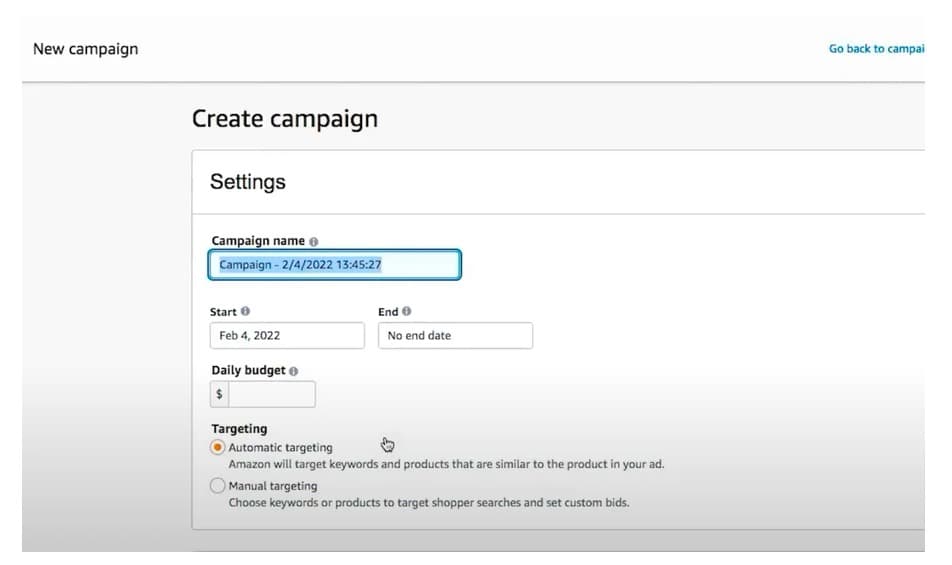
SellerApp published a guide explaining Amazon SEM algorithms prioritize conversion signals, relevance, and shopping experience over bid amounts alone. Amazon reduces ad visibility when products get clicks but fail to convert, even with competitive bids.
This confirms Amazon's shift toward rewarding product-market fit over pure advertising spend. Sellers burning budget on non-converting ads should audit search term reports and pause keywords with high ACoS but low conversion rates.
Amazon's algorithm evolution continues prioritizing shopper experience over advertiser spend, forcing sellers to optimize product-market fit before scaling ad budgets.
Check Search Term Report in Amazon Ads Console -- if CTR above 1% but conversion below 10%, pause those keywords to prevent impression throttling.
Focus bid increases only on keywords where your product already converts above category average to avoid algorithm penalties.
Bottom Line
Amazon SEM rewards conversions over bids for ad visibility.
Source Lens
Industry Context
Useful background context, but lower-priority than direct platform, community, or operator intelligence.
Impact Level
medium
Amazon SEM rewards conversions over bids for ad visibility.
Key Stat / Trigger
No single quantitative trigger surfaced in this report.
Focus on the operational implication, not just the headline.
Full Coverage
Running ads on Amazon would be way easier if you knew how exactly how Amazon SEM works. The whole Amazon Search Engine Marketing (SEM) is an ecosystem designed solely for e-sellers trying to make sales from their products that addresses the pain points of their consumers.
Amazon SEM is not just designed to save your business, but to reward products that already give a good shopping experience on Amazon. That’s why some ads scale so well while the rest burn budgets heartlessly. Amazon SEM is often misunderstood as a savior.
This guide is an attempt to help you understand how Amazon Search Marketing works so that you grow with Amazon, not quarrel with it. Quick Guide:1. Understanding Amazon SEM and Its Benefits2. What is Amazon SEM Marketing Service? 3. How Amazon SEM Advertising Fits Into the Amazon Selling Platform? 4.
How and why Amazon search engine marketing SEM is different from Google SEM5. How These Ad Types Work Together6. How do customers discover products on Amazon? 7. What is Automatic & Manual Targeting in Amazon SEM PPC? 8. Key Metrics that Count in Amazon SEM Marketing Services9. How do New-to-Brand (NTB) develop long-term Amazon SEM PPC growth? 10.
What does NTB actually tell Amazon for you? 11. Final Thoughts: Make a budget-friendly pact with Amazon SEM Marketing Services Understanding Amazon SEM and Its Benefits Amazon Search Engine Marketing (SEM) works more like a salesperson in a retail store. The one who steps in only after the customer has already shown interest.
Likely, the shopper is already browsing. They are comparing options. They are very close to making a decision. Amazon search engine marketing SEM doesn’t interrupt it’s shopper’s journey. But Amazon supports it through ads.
Ads are placed where customers are already searching with intent, helping them find the most relevant product and complete the intended purchase. This is why Amazon SEM services are basically different from awareness-centric advertising, as they operate closest to the point of sale.
When used correctly, Amazon SEM marketing services don’t automatically create demand out of thin air, but they can help its sellers by reducing the friction at the moment of purchase. What is Amazon SEM Marketing Service?
Amazon Search Engine Marketing (SEM) is Amazon’s internal advertising system that allows products to show up across search results, product pages, and discovery pages, but only when Amazon sees consistent signals that the product is more likely to convert when shown to shoppers.
This “trust” is built through relevance to the search, competitive bidding, and early performance signals such as click-through and conversion behavior. The algorithm doesn’t care how aesthetic your ad looks, how much effort went into launching it. What it evaluates is whether showing this product creates a good shopping outcome.
Conversion plays a vital role in that evaluation, but it’s not the only output. Amazon search engine marketing SEM looks more at relevance, bidding competitiveness, and early performance to decide if an ad deserves continued visibility. Let’s say you are selling an organic shampoo. You increase bids and start getting clicks, but shoppers don’t convert.
Even with competitive bids, Amazon begins to reduce impressions because the ad is failing to meet its core objective of matching shoppers with products they are most likely to buy. From Amazon’s point of view, a good product should make the shoppers’ shopping experience better. How Amazon SEM Advertising Fits Into the Amazon Selling Platform?
Amazon SEM advertising sits at the point where the buyer’s shopping intent already exists. While Amazon supports demand creation through channels like DSP and off-Amazon media, its search advertising system is basically designed to guide shoppers complete purchases that they are already planning to.
This is why Amazon SEM PPC services honour advertisers who focus on relevance, conversion, and the whole shopping experience. Not just visibility. A product that consistently gets the shoppers to click, engage, and ultimately buy earns more exposure, even at a similar bid level to the other products.
In the Amazon search engine marketing SEM platform, advertising is not a shortcut to growth. It amplifies a product’s performance that is already aligned with customer intent and affects those that create friction in the buying journey.
How and why Amazon search engine marketing SEM is different from Google SEM The functionality of Google and Amazon SEM PPC services is entirely different because the intent behind each platform is different. Google is built to answer questions, compare choices, and guide users to research. Amazon exists to bridge the distance between intent and purchase.
Its ad system is not optimised for exploration. Its focus is more on transaction efficiency. If your product confidently moves a shopper from search to checkout, you win! Google SEM rewards: Clicks Relevance to a query Landing page experience Amazon SEM Services reward
Original Source
This briefing is based on reporting from SellerApp Blog. Use the original post for full primary-source context.
Style
Audience