

Fuel, freight and tariff costs are complicating holiday importing
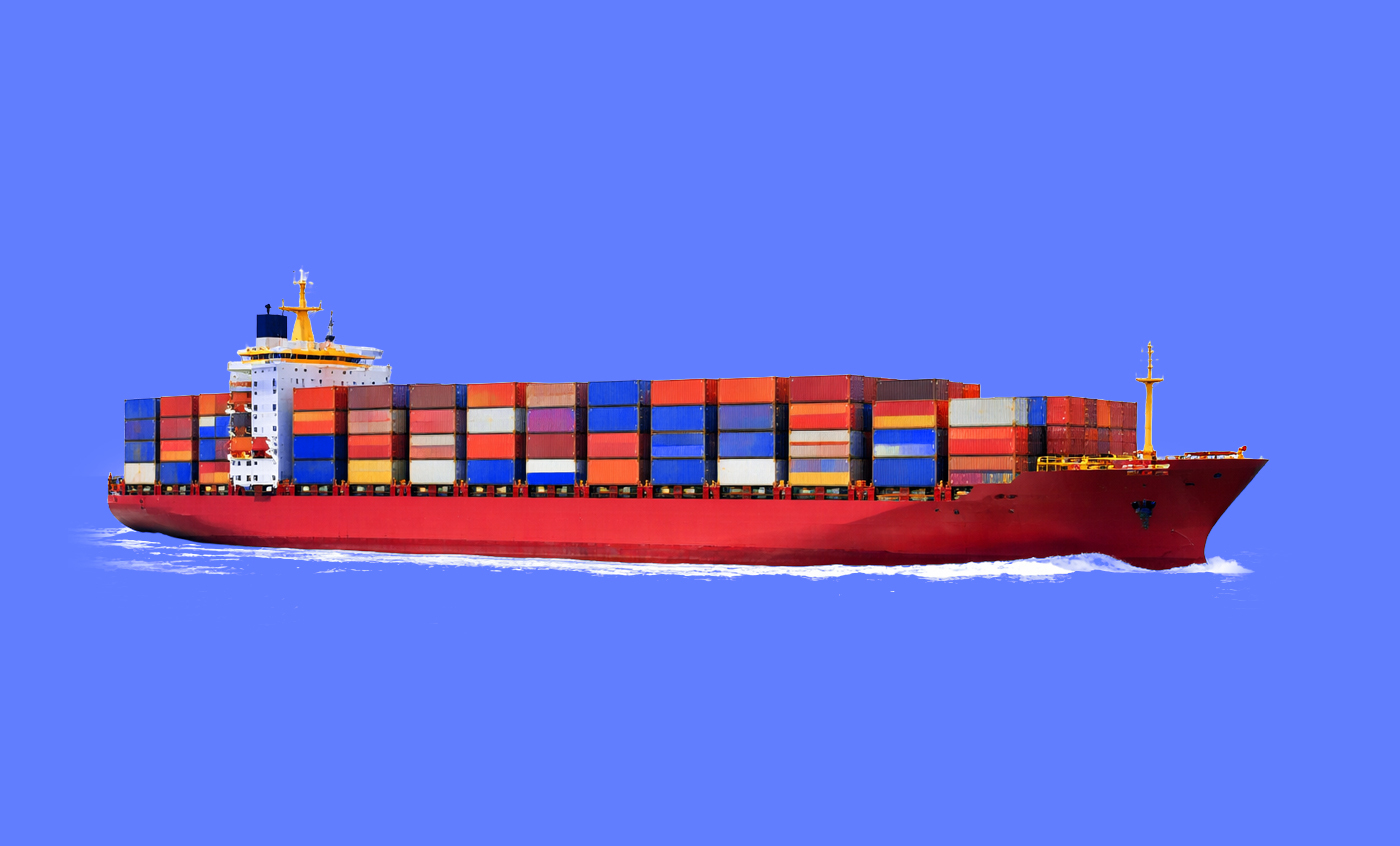
Higher fuel and freight costs are driving up prices for importers during the peak season.
Source Lens
Industry Context
Useful background context, but lower-priority than direct platform, community, or operator intelligence.
Impact Level
medium
Use this briefing to decide whether your team needs an immediate workflow, policy, or reporting change.
Key Stat / Trigger
No single quantitative trigger surfaced in this report.
Focus on the operational implication, not just the headline.
Full Coverage
Supply Chain Shakeup // August 3, 2026 Fuel, freight and tariff costs are complicating holiday importing By Melissa Daniels Below is the latest edition of Modern Retail’s Supply Chain Weekly newsletter, which goes out on Mondays at 10 a. m. ET, and dives into all things logistics and supply chain during a tumultuous time for the retail industry.
To receive this weekly in your inbox, click here. If last holiday season was about how retailers balanced new tariffs and their margins, this year has the added uncertainties of rising transportation costs. Typically, summer is peak season for imports as companies look to get their inventory ready for the holiday shopping season.
Some of that has been pulled even further forward as brands looked to get ahead of the latest round of tariffs that kicked in at the end of July. But bringing in more goods right now means contending with soaring freight rates.
DAT Freight and Analytics, which tracks transportation costs on a weekly basis, reports that late July fuel costs are up about 31% year over year. Van rates are up about 29%, and rates for flatbeds are up 34. 7%, the analysis shows.
The higher transportation costs are caused in part by fuel cost increases related to the ongoing war in the Middle East, as well as ongoing trucking capacity shortages. Steve Blough, chief supply chain strategist at supply chain company Infios, said there’s also a capacity issue with how much trucking is available to move goods around.
Some of the capacity issue is caused by an ongoing driver shortage in the trucking industry, which could face additional pressure after the Trump administration implemented stricter English language requirements for drivers back in April.
There’s no easy solution for shippers, Blough said, especially since higher fuel costs may start hitting ocean container rates. For brands, it means it’s getting tougher to predict what landed costs — the total expense of getting a product from factory to shelf — will be. “That’s one of the biggest fears out there,” he said.
“All of that inflates the landed cost for everybody, and it’s hard to predict. Between what’s happening in the Strait of Hormuz, the Red Sea and other geopolitical issues, there’s a lot of uncertainty that concerns importers.” But sourcing the cheapest option doesn’t mean it’s the best fit.
Brands who are importing right now are looking at factors beyond the lowest cost they can find, Blough said. Rather, they’re optimizing for certainty instead of costs. He said that new forms of data analysis and AI forecasting tools are helping brands compare landed costs in different situations.
“They’re trying to figure out the best blend of, ‘Hey, I need to make sure I have this by September 1.
If I look at my lead time, I’ve got to order it by this day,'” he said, “‘And if I want to get it in and still be profitable without having to uplift my costs too much, I want to get it earlier on so that I don’t get hit with [other costs like tariffs] I’m not sure about.'”
Blough said that he’s noticed shippers paying attention to more factors than landed costs as they navigate getting goods to shore. They’re also looking at what can get goods to shore the fastest, as well as improving traceability, to help insulate them from any further tariff or geopolitical changes that may come down the pike.
As holiday shopping season comes closer, some brands may also consider more air freight shipments to get products to shore. While it’s the most expensive method to get products to shore, it’s also the fastest, which can help prevent having inventory stuck in transit when there are tariff changes or fuel price fluctuations that could lead to surprise costs.
“A few years ago, it was really all around cost. The cheapest transportation was winning. But now, it’s really becoming more about the whole chain,” he said. “It’s not just the transportation, but it’s also making sure goods don’t get stuck in customs, and getting them through.”
The week in tariffs Reports about tariff refunds continue to roll in, with Amazon sharing during its latest earnings call that it has received about $600 million back from the government. The refund process started in the spring after the U. S.
Supreme Court ruled that tariffs implemented under the International Emergency Economic Powers Act of 1977 were unconstitutional. CNBC reports that Amazon intends to pass on some of the refund to consumers using a variety of methods.
“We’ve identified a limited set of circumstances where we can trace that we’ve passed specific import charges onto customers, and when we receive those refunds, we will proactively contact affected customers and automatically issue refunds to them,” said Brian Ol
Original Source
This briefing is based on reporting from Modern Retail. Use the original post for full primary-source context.
Style
Audience