

He Found His Way Out of the Streets in a Prison Cell With a Pamphlet. This Is How Debon “DJ” Sims Built a Trucking Business Nobody Could Take From Him.
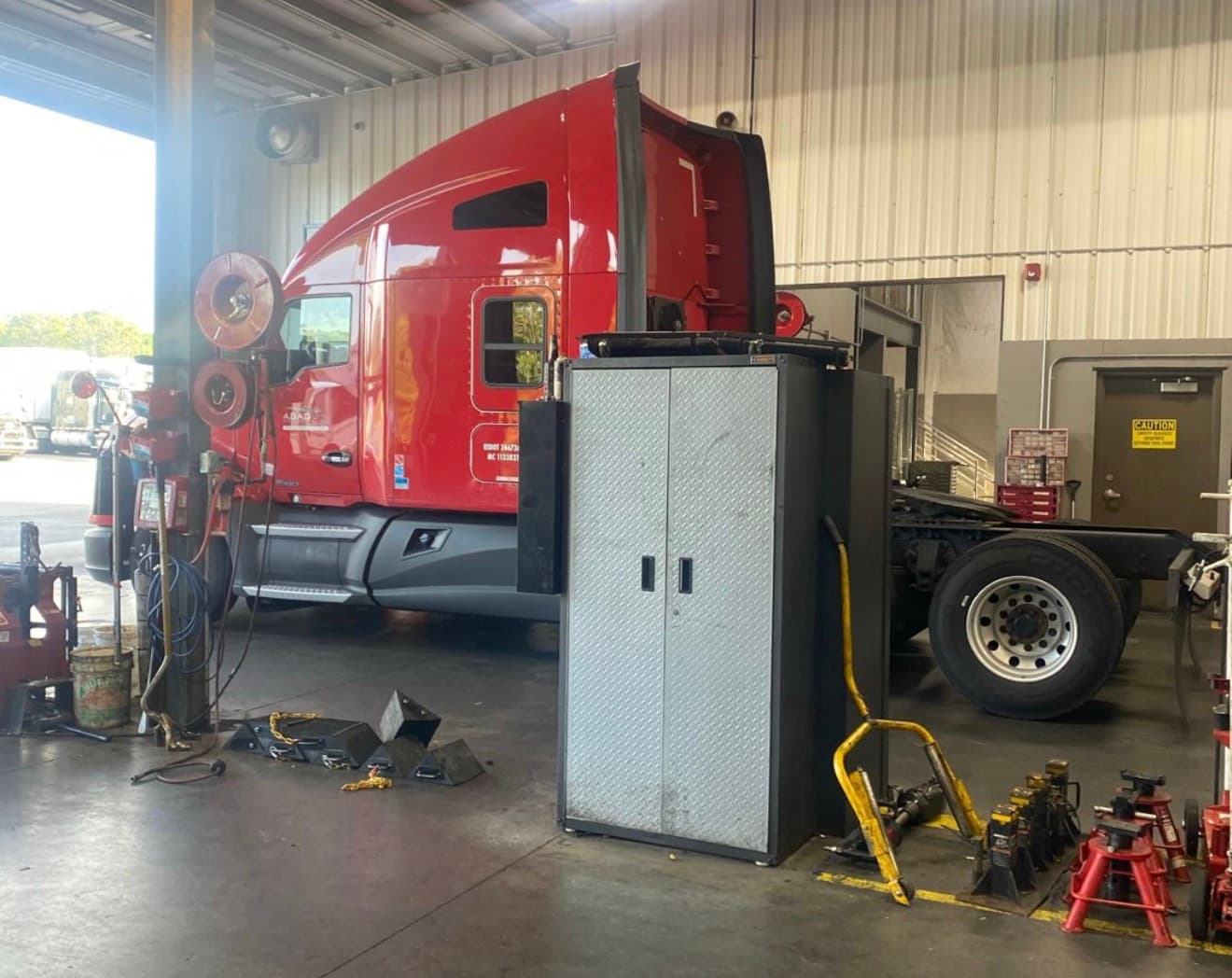
The decision that changed Debon Sims’s life got made in a prison cell, over a pamphlet. That is where this story starts, and it is worth sitting with, because it frames everything that comes after. In 2015, Sims got into what he calls the only kind of trouble he had ever been in, his first […] The post He Found His Way Out of the Streets in a Prison Cell With a Pamphlet. This Is How Debon “DJ” Sims Built a Trucking Business Nobody Could Take From Him. appeared first on FreightWaves.
Source Lens
Industry Context
Useful background context, but lower-priority than direct platform, community, or operator intelligence.
Impact Level
medium
Use this briefing to decide whether your team needs an immediate workflow, policy, or reporting change.
Key Stat / Trigger
No single quantitative trigger surfaced in this report.
Focus on the operational implication, not just the headline.
Full Coverage
The decision that changed Debon Sims’s life got made in a prison cell, over a pamphlet. That is where this story starts, and it is worth sitting with, because it frames everything that comes after. In 2015, Sims got into what he calls the only kind of trouble he had ever been in, his first time, and the lights went out on the life he had been living.
Behind the walls, a man handed him a pamphlet. Not a cell phone, not a hustle, a pamphlet, and it broke down the economics of car hauling: four cars on a trailer, $250 a car, a thousand dollars a day, two thousand in two days. Sims did the math in his head, over and over, and something shifted.
“This is where I’m going to change my life at,” he remembered thinking. “Because if I can do that, then I don’t have to do that.” He started studying toward his CDL right there, before he ever came home. Home came in April 2018. He started CDL school that November, had his license by December, and flew out for his first job on Christmas Day.
He never did end up hauling cars. He climbed into a semi and, in his words, fell in love, with driving, with the responsibility, with being his own boss. He has not stopped running since.
The Line That Kept Him From Going Back Ask Sims what kept him on the right road when the easier, more familiar one was right there, and he does not reach for something grand. He reaches for a memory from the people who raised him. If you touch the eye on the stove and it is hot, and you keep touching it, you are just going to keep getting burned.
He took that all the way in. “That’s what pushes me every day,” he said. “I don’t want to go back. I’m not going back.” Prison taught him what he valued, and it was not complicated: freedom, responsibility, the ability to take care of the people who depend on him. None of that exists behind a wall. So the choice, every day, was simple, even when it was hard.
He had, in his own honest words, nothing else to turn back to, because he refused to turn back to what he already knew. That refusal is the engine of the entire story. Everything else, the lease-purchase, the lost contract, the load board, the dedicated deal, was just Sims figuring out the how. The why never wavered.
The Lease-Purchase That Taught Him His Numbers Sims did not have money for a truck, so like a lot of new drivers, he started in a lease-purchase program, first with Trans Am, later with Hirschbach. He is careful about how he talks about it, because he knows how many people go into a lease-purchase and never come out with anything.
He came out with his numbers. A good brother who had been driving while Sims was locked up trained him, taught him how to fuel, how to run his clock, how to operate as his own boss. And Sims, who says he has always been good with numbers, paid attention to every dollar.
He knew the truck payment came out every week, 1,300 to 1,500 dollars, before fuel, before the maintenance account, before anything.
He learned the brutal rhythm of it: the week does not run Friday to Sunday like most people want, it runs Thursday to Wednesday, and if you miss too many days you go negative, and once you are negative it is nearly impossible to climb back out. Sims never went negative. Not once, across two lease-purchase programs.
There were weeks his tank hit E and he was praying out loud just to make it to the next station, but he knew his numbers cold and he made it work. And while he ground through it, he was doing math on the biggest expense of all. If he could eliminate that 1,300-to-1,500-a-week truck payment by owning his own truck outright, the whole equation changed.
In 2019 he bought his own truck. He calls it a step up, and it was, but he is honest that it came with more responsibility, no dispatcher, no direct lane, and a lesson he wishes he had learned slower: understand what maintenance actually costs before you jump, not after.
The Amazon Contract That Taught Him Not to Depend Early on, Sims landed an Amazon contract, and for a lot of new carriers that feels like the finish line. Steady freight, a name-brand shipper, predictable volume. It arrived right around the pandemic, when everything shut down and freight had to move, and the money was unlike anything he had ever seen.
He was clearing 65 to 7,200 dollars a week. He bought his truck in August running Amazon freight and was shopping for a second truck by December. Then, for the exact same work, the rates fell. Nearly in half. And this is the moment the whole story turns on, because Sims did not chase it down.
He knew his cost to operate his unit, a discipline he credits in part to host Adam Wingfield and the other mentors he leaned on, and because he knew that number, he understood something most operators learn too late: he could not move the truck just to be moving.
“Don’t depend on them,” he says now, plainly, about building a business on someone else’s freight. “Don’t get fixated.” When the Amazon rates stopped making sense, he jumped to the load board. And he
Original Source
This briefing is based on reporting from Freightwaves. Use the original post for full primary-source context.
Style
Audience