

Unpacked: How agentic AI is reshaping the consumer journey
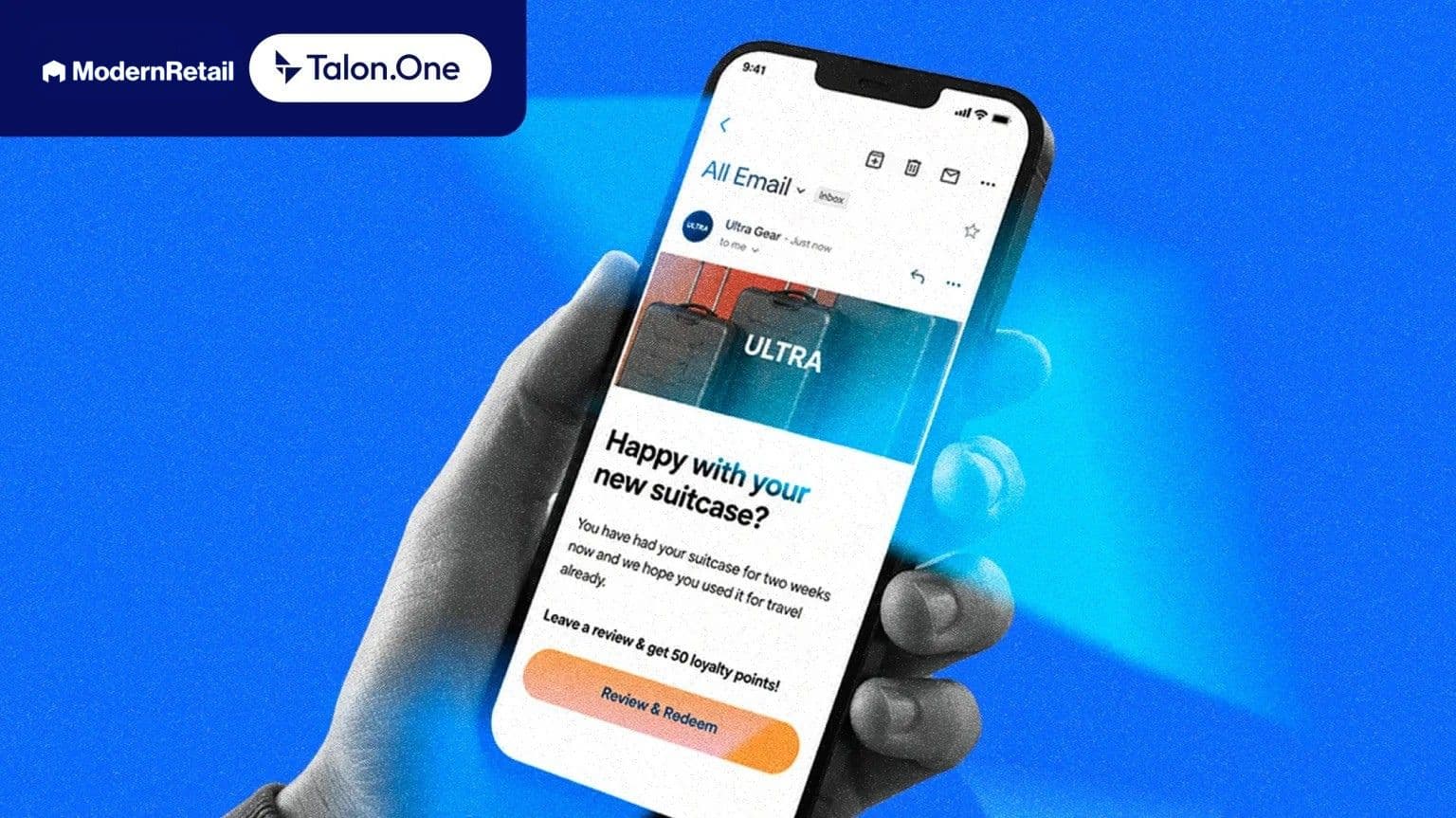
This Unpacked guide, sponsored by Talon.One, explores how brands can make their loyalty and promotions agent-ready, as agentic commerce evolves from a theoretical concept into practical applications, and AI agents begin to handle the end-to-end shopping journey for consumers. Agentic commerce has quickly become a hot industry topic, as the technology evolves from a theoretical […]
Source Lens
Industry Context
Useful background context, but lower-priority than direct platform, community, or operator intelligence.
Impact Level
medium
Use this briefing to decide whether your team needs an immediate workflow, policy, or reporting change.
Key Stat / Trigger
No single quantitative trigger surfaced in this report.
Focus on the operational implication, not just the headline.
Full Coverage
01 Let’s start with the basics. What is agentic commerce? 02 There are so many AI buzzwords out there. Which ones actually matter? And what do they really mean? 03 But this technology is still new, right? What makes agentic commerce so important now? 04 Does my brand have to reinvent our loyalty and promotions because of agentic commerce?
05 So, how does Google’s unified commerce protocol make loyalty and promotions visible to agents? 06 How can brands bring this all together to make loyalty actionable for agents? 07 Got it. Is there a step-by-step guide brands can follow? 08 With the technology still evolving, what’s next for agentic commerce? 09 About Talon.
One This Unpacked guide, sponsored by Talon. One, explores how brands can make their loyalty and promotions agent-ready, as agentic commerce evolves from a theoretical concept into practical applications, and AI agents begin to handle the end-to-end shopping journey for consumers.
Agentic commerce has quickly become a hot industry topic, as the technology evolves from a theoretical concept into real-world applications that commerce teams are actively testing and deploying.
Major technology companies such as Google and OpenAI are racing to embed AI agents into their search, browsing and checkout experiences, and those agents are expected to soon handle the end-to-end shopping journey for consumers. This marks a fundamental shift in how shoppers discover, evaluate and purchase products.
By 2030, agentic AI is projected to account for 15%–25% of total U. S. e-commerce, according to Bain & Company — an indication that businesses won’t truly be omnichannel unless they have incorporated agentic shopping experiences.
In this new landscape, loyalty and incentive programs are becoming the defining factor in whether brands compete on differentiated value or on price.
That’s because AI agents currently surface the easiest discounts to apply (or worse, discount codes that have been unofficially shared online), not the outcomes brands and retailers rely on like margin, retention or long-term customer value which can be achieved through loyalty.
For marketers, the key to competing and winning in agentic commerce is to become agent-ready now to deliver structured, agent-visible promotions and loyalty for the future. Laurens Van Wiele, chief product officer at incentives platform Talon. One said the decisions brands make now will shape how they compete for years to come.
“With any new technology, early adopters are usually rewarded for having already built a reputation and built the trust that they can handle the technology and are good at it,” Van Wiele said. “It’s important for brands to stay on top of the agentic commerce evolution and ensure that they don’t miss the first train.”
In this Unpacked explainer guide, Modern Retail and Talon. One break down how making loyalty and promotions programs agent-ready now gives brands the key to competing and winning in the era of agentic commerce. 01 Let’s start with the basics. What is agentic commerce? Sure thing.
Agentic commerce is a type of digital commerce in which autonomous AI systems act on behalf of customers to discover products, evaluate options, apply incentives and complete purchases.
Essentially serving as virtual personal shoppers, these AI agents handle the shopping journey by researching products, comparing items and completing transactions with minimal human input — covering each step from discovery through checkout. “Many people are already using tools like Gemini, ChatGPT or Claude for discovery,” Van Wiele said.
“The next phases of agentic commerce will bring more aspects of the entire shopping flow directly into the AI assistant. It won’t just be about deciding which product you’re going to buy, but also completing the checkout within your assistant and seeing your order status.”
Agentic commerce differs from earlier forms of automated shopping in that AI agents don’t wait for human input to approve each step. They set a goal, evaluate options against structured criteria and execute on it. “Everything happens on one screen,” Van Wiele explained.
“In a traditional model, shoppers browse websites or perhaps a top 10 ranking to decide what to buy and then place the order on a merchant’s website. Agentic commerce brings all of these aspects into a single window, which is the conversation with your AI assistant, like ChatGPT.” 02 There are so many AI buzzwords out there. Which ones actually matter?
And what do they really mean? Those are great questions. To really understand the ins and outs of agentic commerce, here are some key terms for brands and retailers. Unified Incentives Protocol (UIP) is a set of standards introduced by Talon.
One in January 2026 that defines how to expose loyalty and promotions in a unified, machine-readable way across agent-led shopping journeys. UIP makes incentives discoverable, explainable and actionable for AI agents
Original Source
This briefing is based on reporting from Modern Retail. Use the original post for full primary-source context.
Style
Audience