

Criminals target freight with fake IDs, spoofed emails and stolen identities
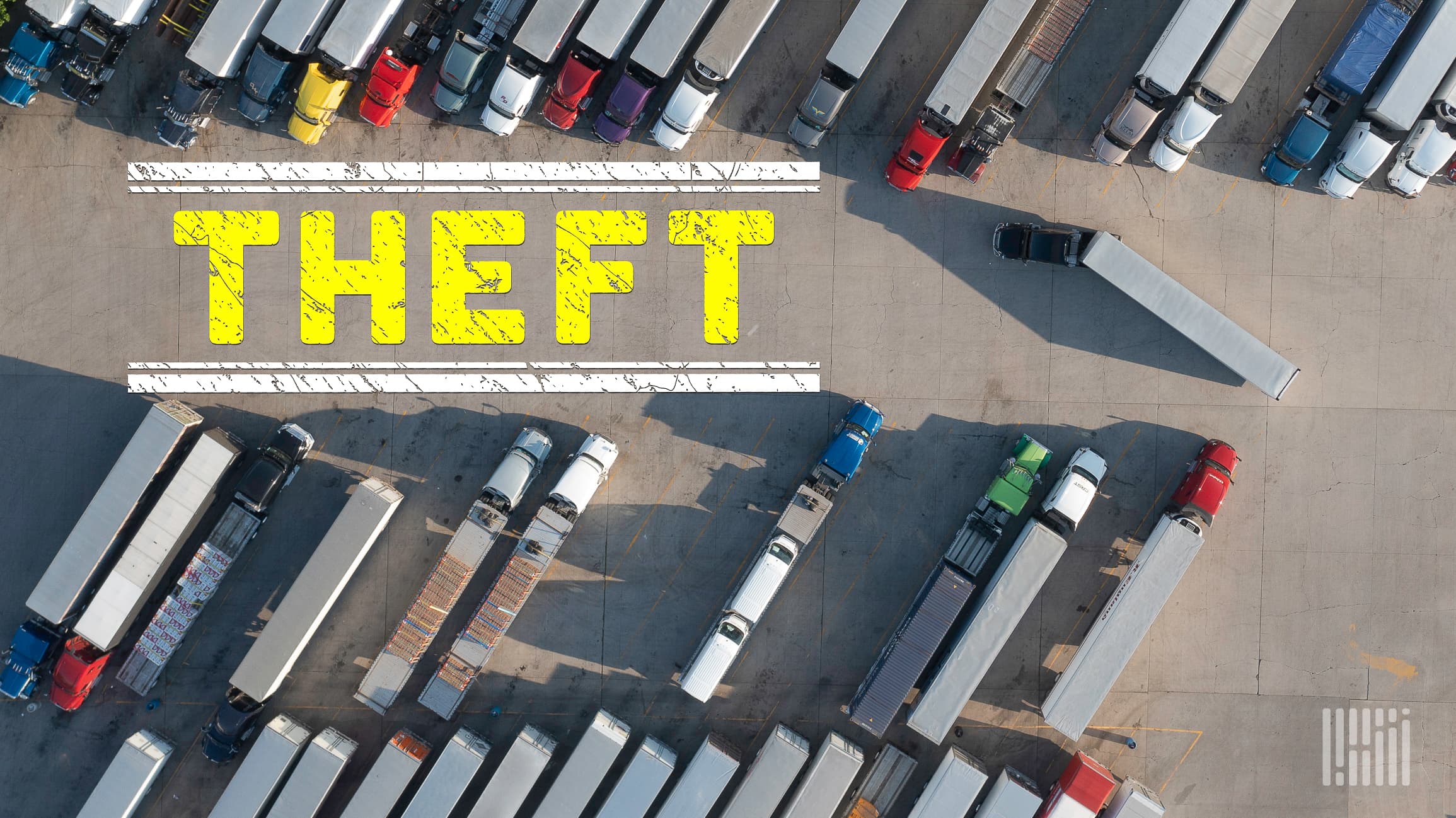
Cargo theft has advanced from smash-and-grab crimes into sophisticated identity-based fraud schemes, experts say The post Criminals target freight with fake IDs, spoofed emails and stolen identities appeared first on FreightWaves.
Source Lens
Industry Context
Useful background context, but lower-priority than direct platform, community, or operator intelligence.
Impact Level
medium
Use this briefing to decide whether your team needs an immediate workflow, policy, or reporting change.
Key Stat / Trigger
No single quantitative trigger surfaced in this report.
Focus on the operational implication, not just the headline.
Full Coverage
The transportation industry is facing a new generation of cargo theft in which organized crime groups increasingly use fake identities, phishing campaigns and digital deception rather than only traditional break-ins and hijackings.
Industry experts say cargo theft has evolved into a sophisticated blend of cybercrime, identity fraud and physical theft, allowing criminals to intercept high-value shipments before they ever reach their intended destinations. “The groundwork is being laid digitally,” Jillian Kossman, chief operating officer of IDScan.
net, said during a recent interview with FreightWaves. “Most of the crime is happening in advance when they impersonate a legitimate carrier or impersonate a legitimate driver and then send one guy who completes the transaction, scams the shipper and drives off with the load.”
The growing threat mirrors findings in a recent report titled “The Blueprint for Freight Survival: Why Identity is the New Currency in Transportation” by transportation analyst Bart A. De Muynck.
It describes freight fraud as a multi-billion-dollar crisis driven by organized crime rings using artificial intelligence, identity theft and cyber tactics to impersonate legitimate carriers and brokers.
According to Highway’s Freight Fraud Index, freight fraud costs the transportation industry an estimated $18 million per day, while fraudulent email attempts increased 117% year over year. Organized crime groups are increasingly using AI tools to spoof broker identities, manipulate carrier data and divert shipments.
Fictitious pickups becoming more sophisticated Greg Haber, president of Brooklyn-based Babaco Alarm Systems, said fictitious pickups remain one of the most challenging forms of cargo theft because criminals often exploit weaknesses in verification processes rather than physically stealing freight.
In a typical scheme, criminals may monitor email communications between shippers and carriers, learn when a high-value shipment is scheduled for pickup and send an impostor driver armed with fraudulent credentials to retrieve the load. “They can send in a driver with a fictitious license,” Haber told FreightWaves.
“They show up at the gate, show the license, and next thing you know the load is gone.” Kossman said the challenge is that many fraudulent IDs are nearly impossible to detect without technology. “The IDs are so high quality. They are manufactured abroad.
You can get a fake CDL from pretty much all 50 states for $25 or less and it will look very legitimate,” Kossman said. “There are almost no red flags that would be visible to the naked eye.”
She said organized criminal groups often maintain inventories of fraudulent documents and fake identities, allowing them to execute theft schemes quickly when opportunities arise. According to Highway’s Freight Fraud Index, freight fraud costs the transportation industry an estimated $18 million per day.
(Photo: Jim Allen/FreightWaves) Identity becoming the new currency in transportation De Muynck”s report said that the freight industry can no longer rely on traditional trust signals such as a motor carrier number and proof of insurance. “For years, the transportation industry operated on a ‘handshake’ digital equivalent,” De Muynck wrote.
“However, the sophistication of organized crime and a rapidly shifting regulatory environment have shattered those assumptions.”
The report describes a growing movement toward “identity-assured logistics,” in which carriers, drivers and brokers undergo high-assurance digital identity verification using government-issued identification and live-photo authentication before freight is assigned.
Haber said transportation companies need multiple layers of security rather than relying on any single technology. “There is no magic wand that solves everything,” Haber said. “You need multiple layers of technology. Having the right driver approved, having the right company approved, having the truck with tracking is important.”
Food and electronics remain top targets While cyber-enabled theft methods are changing, the commodities most frequently targeted by thieves remain largely unchanged. Haber and Kossman said food and beverage products continue to rank among the most stolen cargo categories because they can be quickly resold and are difficult to trace.
Electronics remain another prime target because of their high value and strong resale demand. “Food and beverage and electronics are still the No. 1 and 2 most commonly targeted shipments,” Kossman said.
The executives cited recent thefts involving seafood, produce and electronics as examples of how organized groups continue to exploit weaknesses in freight verification systems.
Prevention starts before the truck leaves the dock Both Kossman and Haber emphasized that preventing cargo theft increasingly depends on verifying the identities of carriers and drivers before a shipment is released. Haber said companies should focus on validating carriers, confirming driver creden
Original Source
This briefing is based on reporting from Freightwaves. Use the original post for full primary-source context.
Style
Audience