

As Target, Walmart and Aldi embrace naturally-colored food, brands rush to meet demand
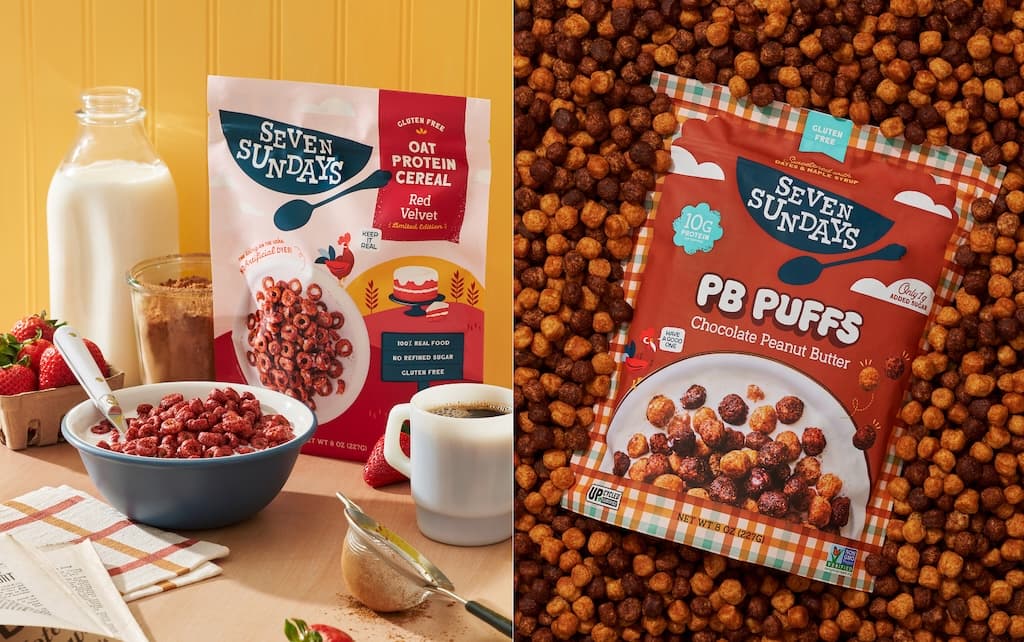
Major retailers like Walmart and Target are removing artificial food dyes from their aisles, especially in products like cereals and frozen treats. This has been a boon for startups already carrying naturally-colored products in their respective categories.
Source Lens
Industry Context
Useful background context, but lower-priority than direct platform, community, or operator intelligence.
Impact Level
medium
Use this briefing to decide whether your team needs an immediate workflow, policy, or reporting change.
Key Stat / Trigger
No single quantitative trigger surfaced in this report.
Focus on the operational implication, not just the headline.
Full Coverage
CPG Playbook // May 29, 2026 As Target, Walmart and Aldi embrace naturally-colored food, brands rush to meet demand By Gabriela Barkho Seven Sundays Retailers are increasingly doing away with artificial colors in the cereal, frozen and snack aisles, and they are expecting brands to follow suit.
Earlier this year, Target unveiled a major update of its cereal aisle, announcing that by May, all cereals sold at Target would be made without certified synthetic colors. The retailer partnered with both brand and private-label partners to reformulate its full set of cereals, which also includes new and exclusive SKUs at Target.
One of the new releases is the Good & Gather Kids cereal line, focused on low-added-sugar and high-protein recipes.
In addition to reformulated versions of favorites like Lucky Charms and Trix, Target is also offering new SKUs like Lucky Charms’ Unicorn Cotton Candy cereal and Tropical Trix featuring Disney’s Moana, both made with colors from natural sources.
Other retailers like Walmart, Sam’s Club and, most recently, Aldi are in the process of making similar moves, though some of these changes won’t be completed for another year. According to Aldi, all foods that are under its exclusive owned brands will be free of certified synthetic food dyes, such as Red 40, Yellow 5 and Blue 1 by the end of 2027.
The phasing out of artificial dyes is largely focused on categories that are popular with families, such as cereals, frozen treats and other pantry snacks. The industry has tried to make a similar move before.
In 2016, General Mills attempted to remove artificial dyes from its popular cereals such as Trix, but quickly brought back the original formula due to consumer backlash and declining sales.
But this time, it appears that both brands and retailers are preparing for the growing demand for natural food dyes to stick, thanks to the enduring popularity of the MAHA movement. For many emerging brands already focused on natural colors, this has provided an opportunity to finally move beyond natural channels and expand into big-box retail more quickly.
One of the brands launching an exclusive cereal at Target this month is Seven Sundays, with its Peanut Butter and PB Chocolate Puffs. Seven Sundays was founded in 2011 and launched at Target in early 2025. This year, CEO Hannah Barnstable said the brand is deepening its relationship with Target as part of the retailer’s initiative to ditch cereal dyes.
Target is exclusively stocking the brand’s new Red Velvet Oat Protein Cereal, which uses beet powder to give it a pink coloring. “About 18 months ago, all of our distribution was in the natural channel,” she said, which includes retailers like Whole Foods and Sprouts.
Since then, Seven Sundays went from about 5,000 grocery stores to over 20,000, mostly from Walmart, Target, Kroger and Albertsons deals.
Barnstable said that as the brand began talking to more conventional retailers, she heard about their interest in moving away from artificial dyes and flavors while still balancing out their new assortment of national, startup and private brands.
“Every single retailer we talk to — whether it’s Walmart or Sam’s Club or Costco — the push for cleaner ingredients comes up in every meeting,” she said. Barnstable said that better-for-you brands are no longer seen by buyers as boring healthy alternatives, especially as the brands adapt their recipes to compete with brightly colored favorites.
“We make it easier for a consumer to switch from something like Cocoa Puffs to our chocolate sunflower cereal,” Barnstable said. “So the kids still get the crunchy chocolaty bites.” John Conlin, Target’s senior vp of food and beverage, characterized the cereal aisle changes as a priority.
“Families are making more intentional choices about what they feed their families, and the cereal aisle is one of the most visible places where we can respond to that shift,” Conlin told Modern Retail in a statement. “The goal is to create a cereal aisle that feels simpler, more inspiring and more aligned to the needs of today’s busy families,” Conlin said.
John Scheer is the co-founder and chief creative director of strategic brand agency Herman Scheer. Scheer said he is seeing the most change in food categories like breakfast cereals and frozen novelty treats. “But even OTC medications are getting ‘cleaner’ this year,” he said.
“There is also Frito-Lay dipping their toes into the natural space by introducing dye-free Doritos and Cheetos,” Scheer said. But by not fully committing to phasing out artificial colors, it appears that the company is “hedging their commitment to see if consumers actually care.”
It’s also not just cereals and sweet treats that are getting the artificial dyes phaseout in the U. S. Smash Kitchen, co-founded by actor Glen Powell and launched in early 2025, also recently rolled out at Target this month after hitting Wal
Original Source
This briefing is based on reporting from Modern Retail. Use the original post for full primary-source context.
Style
Audience