

Borderlands Mexico: Thousands of Mexican truckers lose US visas over cabotage violations
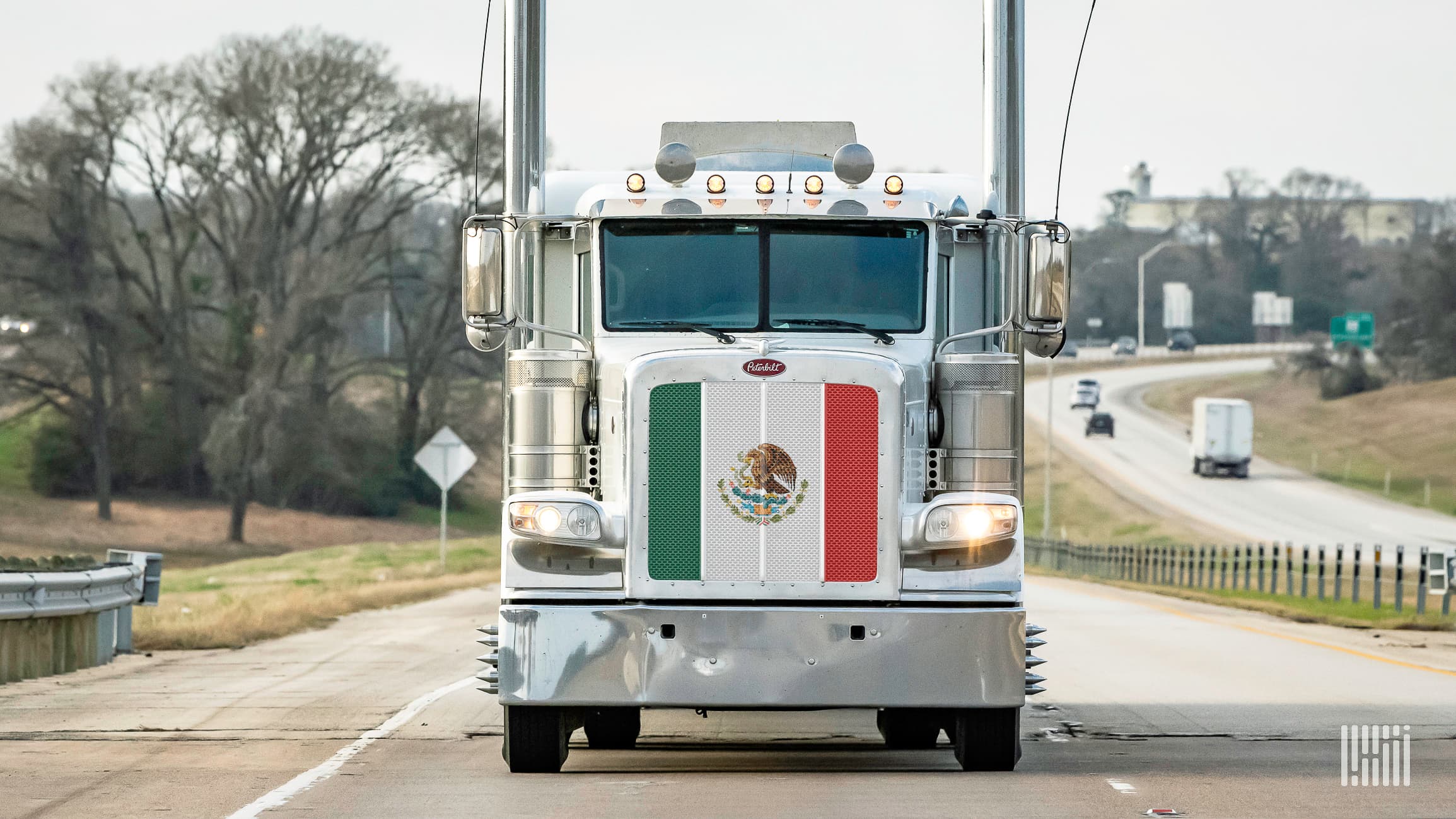
This week in Borderlands Mexico: Thousands of Mexican truckers lose US visas; US, Mexico complete first round of USMCA talks; and RealCold acquires SCL Cold Chain. The post Borderlands Mexico: Thousands of Mexican truckers lose US visas over cabotage violations appeared first on FreightWaves.
Source Lens
Industry Context
Useful background context, but lower-priority than direct platform, community, or operator intelligence.
Impact Level
medium
Use this briefing to decide whether your team needs an immediate workflow, policy, or reporting change.
Key Stat / Trigger
No single quantitative trigger surfaced in this report.
Focus on the operational implication, not just the headline.
Full Coverage
Borderlands Mexico is a weekly rundown of developments in the world of United States-Mexico cross-border trucking and trade.
This week in Borderlands Mexico: Thousands of Mexican truckers lose US visas over cabotage violations; US, Mexico complete first round of USMCA review talks; and RealCold expands into pharmaceutical logistics with SCL Cold Chain acquisition.
Thousands of Mexican truckers lose US visas over cabotage violations More than 3,000 Mexican truck drivers have lost their authorization to enter the U. S. in recent months as federal authorities intensify enforcement of cabotage and visa regulations.
Pedro Lozano Martínez, president of the Nuevo Laredo Freight Carriers Association and a delegate of Mexico’s National Chamber of Freight Transportation (CANACAR), said approximately 3,200 drivers across the border region have had their visas revoked. The cancellations have affected carriers operating through major commercial gateways, Lozano said.
“It has been a serious issue in recent weeks,” Lozano told Agencia Rn Noticias. “CANACAR data indicates around 3,200 drivers have been affected along the entire border region.” According to Lozano, the visa revocations stem from increased coordination between the U. S. Department of Transportation (DOT) and U. S.
Customs and Border Protection (CBP), allowing authorities to identify drivers previously flagged for potential cabotage violations. Cabotage occurs when a foreign carrier transports freight between two domestic points inside the U. S. without authorization.
“What happened is that the DOT and CBP systems merged, and all operators who had any warnings about possible cabotage were automatically identified,” Lozano said. “CBP is now revoking their visas through the system.”
Drivers often unaware until they reach the border Lozano said many drivers do not realize their visas have been revoked until they attempt to cross into the U. S. “The operator doesn’t even realize it unless they check their email,” Lozano said. “When they arrive at the border, the system tells them they must surrender their visa.”
Before the systems were integrated, DOT inspectors could issue warnings or administrative findings related to cabotage during roadside inspections or weigh station checks. Those findings generally did not carry immigration consequences because DOT lacked authority to revoke visas.
Under the new enforcement framework, carriers say prior warnings are now triggering visa cancellations. The Otay Mesa Chamber of Commerce warned in an April advisory that hundreds of visas had already been revoked and that enforcement efforts had expanded beyond recent activity to include reviews of alleged violations dating back several years.
The chamber said federal authorities have placed increased emphasis on cabotage compliance and other visa-related requirements for Mexican commercial drivers. Border enforcement expands The recent visa cancellations come amid broader federal enforcement efforts targeting foreign commercial drivers operating in the U. S.
In November, Border Patrol agents in Arizona revoked the border-crossing privileges of two Mexican truck drivers accused of violating cabotage regulations after determining they were hauling freight between domestic U. S. locations. CBP said the drivers were returned to Mexico and their crossing cards were processed for revocation.
Additional enforcement actions documented this year include a Mexican driver whose visa was revoked after authorities alleged he transported commodities from Nogales, Arizona, to Laredo, Texas, in violation of cabotage rules.
Another driver was deported after being accused of hauling produce from Arizona to Washington state while operating under a B-1/B-2 visa. Federal authorities have repeatedly emphasized that violations of transportation, customs and immigration regulations can result in visa revocations, future entry restrictions and other penalties.
Industry warns of capacity constraints The Otay Mesa Chamber of Commerce said the visa cancellations are likely to reduce the pool of available cross-border drivers and could contribute to delays and higher transportation costs. “Expect delays and increased pricing in trucking services since there will be a shortage of truck drivers across the U. S.
-Mexico border,” the chamber said in its advisory. Lozano acknowledged that the crackdown has affected international trucking operations but said many displaced drivers are finding employment in Mexico’s domestic freight market, where carriers are also facing a driver shortage. “It is not people who are losing their jobs,” Lozano said.
“They are switching from the United States to Mexico. There is also a great need for operators here.” Lozano said CANACAR has sought clarification from U. S. authorities and has worked with congressional offices, including that of U. S. Rep. Henry Cuellar, to better understand the scope of the visa revocations and enforcement policies.
He said the situation underscores the need f
Original Source
This briefing is based on reporting from Freightwaves. Use the original post for full primary-source context.
Style
Audience