Running was a bright spot for Nike in an otherwise gloomy quarter
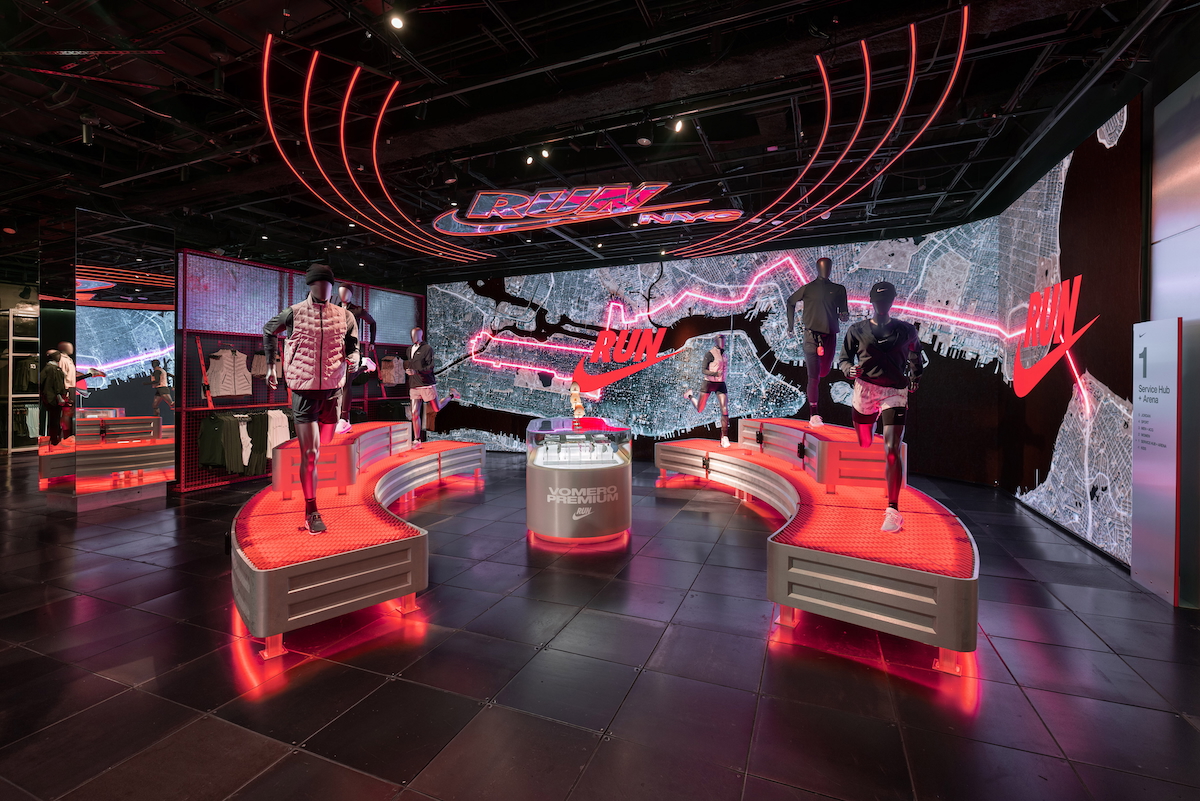
Nike's Q1 FY2026 revenue fell 4% YoY to $11.2B, but running grew double digits with consistent share gains after years of losing ground to Hoka and On. China was the biggest drag at -26% YoY; full-year guidance projects high single-digit revenue decline.
Nike's category-first restructuring mirrors how successful marketplace brands are winning — narrow audience targeting beats broad demographic plays. As Nike regains running shelf space at major retailers, private-label and challenger brands on Amazon/Walmart face increased competition for the same search real estate.
Nike's running recovery signals max-cushioning is the dominant consumer trend in performance footwear — brands competing in athletic footwear on Amazon or Walmart should audit their cushioning-focused listings and ad spend now. Nike's reorganization around specific sports consumers (not demographics) is a positioning framework worth stealing for catalog segmentation and PPC targeting.
Operational Impact
This story may require teams to revisit workflows, monitoring, or platform assumptions.
Bottom Line
Nike's running rebound confirms max-cushion trend — athletic sellers should realign inventory and ads now.
Source Lens
Industry Context
Useful background context, but lower-priority than direct platform, community, or operator intelligence.
Impact Level
low
Nike's running rebound confirms max-cushion trend — athletic sellers should realign inventory and ads now.
Key Stat / Trigger
Nike running business up double digits with share gains in Q1 FY2026
Focus on the operational implication, not just the headline.
Full Coverage
Earnings // October 1, 2026 Running was a bright spot for Nike in an otherwise gloomy quarter By Anna Hensel Nike Nike’s turnaround is still a work in progress, but the company is seeing signs of promise in one of its core categories. On Thursday, Nike reported that during its fiscal first quarter, revenue decreased 4% on a reported basis, coming in at $11.
2 billion. Net income was $0. 7 billion, down 2% year over year. Sales in Greater China, which were down 26% year over year, were one of the biggest drags on Nike’s topline. Nike’s sportswear business and the Jordan brand were two of the other major weak spots. For the full year, Nike is projecting that revenue will decline by high single digits.
But Nike CEO Elliot Hill highlighted a few areas where Nike saw success during the quarter: basketball, soccer (which Nike calls global football) and running. He tried to paint a picture of a business that has correctly diagnosed its problems and is working on them. “These challenges are significant, but are not the whole story at Nike,” Hill said.
The turnaround in running is perhaps most notable because, just a few years ago, it was an Achilles heel for Nike. The Wall Street Journal had declared that Nike had “ missed the run club boom ” as competitors like On and Hoka started taking up more market share.
But during the fiscal first quarter, Nike’s running business was up double digits with “consistent share gains,” Hill said. Specifically, the “innovation in max cushioning helped reignite this business,” Hill said. “We’ve nearly tripled our share of the max cushioning category over the past year.”
Over the past two months, Nike has debuted four new innovations in running, Hill said, each one “built around a different runner, a distance and a goal.” Running was also one of the few bright spots in Nike’s China business. “We are driving double-digit growth, and it is our sixth quarter of growth in running,” Hill said.
Local events have been key to that growth — during the quarter, Nike hosted an edition of its After Dark running tour in Shanghai, which attracted almost 4,000 runners and sold out on the first day, Hill said.
Nike’s innovations in running and other sporting categories also provide a blueprint for how the company can return to growth in other categories, Hill explained during the earnings call. One of Hill’s major changes since becoming CEO of Nike in 2024 was to reorganize the company around specific sports — rather than by men’s, women’s and kids.
Hill now plans to take a similar approach in its sportswear, which includes some of its iconic sneaker franchises as well as some of its more casual athleticwear.
During the quarter, Nike sportswear revenue was down by low double digits, though “several major franchises are healthy and growing,” Hill said, citing Nike’s Air Force One franchise and its fleece business as two examples.
The common thread among the sportswear franchises that are succeeding, Hill said, is that they have clarity on who they are serving — and that’s the approach Nike is attempting to now take across the entire business. “The sportswear consumer isn’t one audience — it’s a collection of consumers with distinct needs, tastes and motivations.
So we’re organizing sportswear assortments the same way we’ve organized our performance business around specific consumer insights and distinct style preferences,” Hill said. Copy link
Check your athletic footwear category share in Amazon Brand Analytics — if 'max cushioning' or 'cushioned running shoes' search volume is rising, shift ad budget toward those ASINs before Nike's new product launches capture that demand.
Audit your sportswear listings for audience clarity in the next 30 days — Nike's own data shows franchises with defined consumer identity outperform; add use-case-specific copy (trail runner, casual wear, race day) to differentiate and improve conversion.
Original Source
This briefing is based on reporting from Modern Retail. Use the original post for full primary-source context.
Style
Audience