

Amazon signals ecommerce delivery shift as USPS contract talks stall
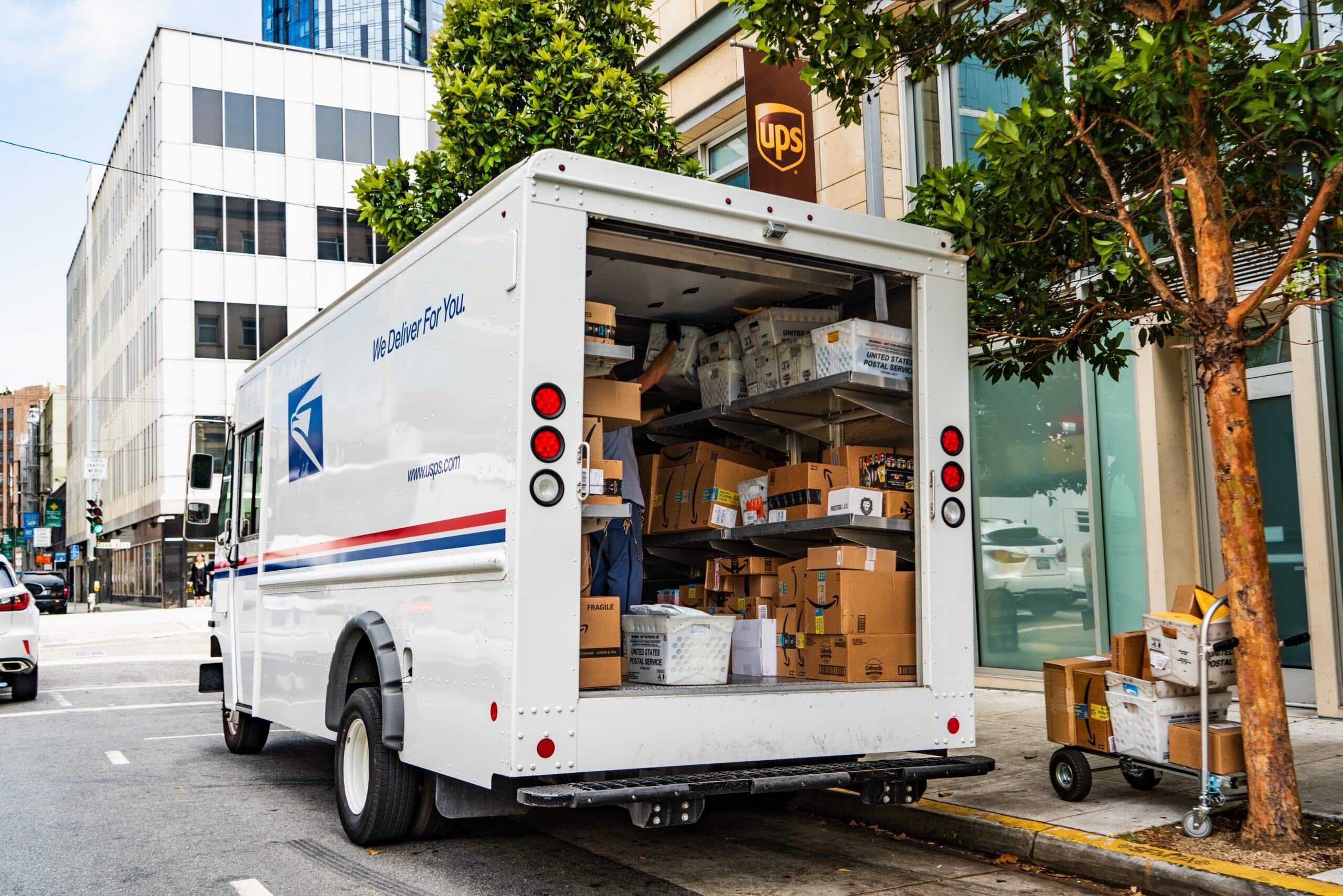
Amazon's USPS contract expires September 30, 2026, and with negotiations stalled since December, Amazon is actively engineering a logistics pivot that will redirect millions of packages away from USPS toward its own delivery network (Amazon Logistics) and likely UPS/FedEx as secondary overflow. This isn't a pricing dispute — USPS 'abruptly walked away,' signaling a structural breakdown that won't resolve quickly. Third-party sellers on Amazon who ship lightweight, rural-bound packages will feel this first, as USPS has been the lowest-cost carrier for sub-1lb parcels to ZIP codes Amazon Logistics doesn't serve. Expect carrier rate renegotiations, delivery zone coverage gaps, and potential SLA disruptions concentrated in Q3–Q4 2026 peak season — the worst possible timing for catalog-heavy brands.
The non-obvious play here is that Amazon will use this logistics shift to accelerate adoption of its own Buy Shipping and Amazon Logistics network, which means sellers who aren't already routing through Amazon's carrier system will face a competitiveness penalty — slower estimated delivery dates on listings, which directly suppresses conversion rates and ad efficiency (higher CPCs chasing the same ROAS on listings with degraded Prime eligibility signals).
For Walmart and Shopify sellers, this is a window: if Amazon's rural delivery degrades in H2 2026, brands with strong Walmart Fulfillment Services (WFS) penetration can capture share in markets Amazon temporarily underserves.
A $10M/year seller should this Monday audit what percentage of their FBM orders currently route through USPS and model the cost delta if those shift to UPS Ground or FedEx Home Delivery — we're talking 15–40% per-package cost increases on that volume.
This is the clearest signal yet that Amazon's endgame is full vertical integration of its logistics stack, reducing dependence on every external carrier partner the same way it reduced dependence on third-party warehouses with FBA.
In the 2026 marketplace landscape, this accelerates a bifurcation between sellers who are fully inside Amazon's ecosystem (FBA, Buy Shipping, Amazon Logistics) and those operating hybrid FBM models — the latter group is being systematically squeezed.
For multi-platform operators, this is a strategic forcing function: the carriers Amazon abandons will aggressively court Shopify, Walmart, and eBay sellers with better rates, meaning your non-Amazon logistics costs could actually improve as carrier capacity floods the open market.
Pull your FBM Order Report in Seller Central (Reports > Fulfillment > FBM Shipments) and filter by carrier = USPS. If more than 10% of your unit volume ships via USPS, you have direct cost exposure — build a carrier diversification plan with UPS or FedEx rate cards before July 1 to avoid Q4 emergency pricing.
This week, log into Amazon Buy Shipping and confirm your default carrier waterfall settings. If USPS is your lowest-cost default for lightweight parcels, set UPS SurePost or FedEx Ground Economy as your fallback now and A/B test the cost differential on a sample SKU cohort — do not wait until September when every other seller scrambles simultaneously and negotiating leverage evaporates.
In the next 30–60 days, pressure-test your WFS enrollment on Walmart for your top 20 rural-indexed SKUs. If Amazon's delivery coverage degrades in non-metro ZIP codes post-September 30, Walmart's ground-level store network becomes a structural advantage for last-mile — brands already live on WFS will capture organic ranking gains in exactly the markets Amazon stumbles in.
Bottom Line
Amazon losing USPS by October means your FBM cost structure and rural delivery SLAs are broken — fix your carrier stack before Q4 or bleed margin in peak.
Source Lens
Analyst Intelligence
Research or editorial analysis that adds market context beyond the official announcement.
Impact Level
medium
Amazon losing USPS by October means your FBM cost structure and rural delivery SLAs are broken — fix your carrier stack before Q4 or bleed margin in peak.
Key Stat / Trigger
USPS contract expiration: September 30, 2026
Focus on the operational implication, not just the headline.
Full Coverage
Amazon is preparing to reduce its reliance on the U. S. Postal Service (USPS) as contract negotiations between the two sides have stalled, raising questions about how millions of ecommerce orders will be delivered.
In a March 18 statement, Amazon said it had sought to expand its use of USPS but that the agency “abruptly walked away” from negotiations in December. The current agreement expires Sept. 30, 2026. Amazon ranks No. 1 in Digital Commerce 360’s Top 2000 Database.
The database is how Digital Commerce 360 tracks the largest North American online retailers by their annual ecommerce sales. Amazon is also No. 3 in Digital Commerce 360’s Global Online Marketplaces Database. That database ranks the 100 largest such marketplaces by third-party gross merchandise value (GMV). News Amazon pushes one-hour delivery deeper into U.
S. , raising stakes for B2B sellers Mark Brohan | Mar 17, 2026
Original Source
This briefing is based on reporting from Digital Commerce 360. Use the original post for full primary-source context.
Style
Audience