

FedEx Freight turns focus toward high-margin shipments
The LTL carrier has its sights set on gaining market share in the healthcare, grocery and technology markets as an independent company.
Source Lens
Industry Context
Useful background context, but lower-priority than direct platform, community, or operator intelligence.
Impact Level
medium
Use this briefing to decide whether your team needs an immediate workflow, policy, or reporting change.
Key Stat / Trigger
No single quantitative trigger surfaced in this report.
Focus on the operational implication, not just the headline.
Full Coverage
An article from FedEx Freight turns focus toward high-margin shipments The LTL carrier has its sights set on gaining market share in the healthcare, grocery and technology markets as an independent company.
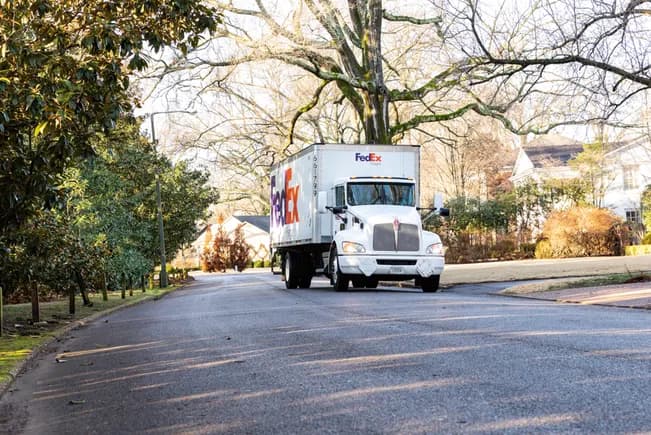
Published June 26, 2026 Larry Avila Senior Editor, Trucking Dive Share Copy link Email / Print License Add us on Google A FedEx Freight box truck travels on a neighborhood street. Company executives say over the long term its priority and economy services provide the flexibility shippers seek and will help the carrier secure new business.
Provided by FedEx Freight First published on Now that FedEx Freight is operating as an independent company, its next phase is pursuing opportunities where the carrier sees “a clear runway to growth,” President and CEO John Smith said on a call with analysts Thursday.
In the company’s inaugural earnings call following its spinoff from FedEx, Smith’s comments mirrored remarks made by other executives during the carrier’s investor day event in April.
At that time, executives pointed to revenue opportunities serving small and medium-sized businesses, healthcare, grocery and expanding market share in technology, specifically serving data center customers. Smith said these target segments are markets “where we have historically under penetrated” and offer attractive margins.
“Our strategy is centered on sustainable, high-quality growth that strengthens both our top line momentum as well as our long-term profitability,” he said. FedEx Freight reported Q4 revenues of $2. 4 billion, up 4. 8% year over year. The carrier reported Q4 operating income of $158 million, down 66. 9% YoY, while adjusted operating income fell 23.
9% to $363 million. While the company’s average daily shipments fell 5. 9% YoY in Q4, revenue per shipment increased 11. 5%. The carrier also reported weight per shipment increased 3% and revenue per hundred weight rose 8. 2% from last year. FedEx Freight differentiates itself from other LTL carriers through its dual-service model, according to Smith.
This approach provides one- to three-day priority shipping and lower-cost three- to six-day economy shipping. Shippers have the flexibility to shift between services, depending on their needs.
“When you think about how successful we’ve been being able to keep customers when they want and need that fastest service in the market, but also sometimes needing that cost-effective economy that kept the customers from switching back and forth between competitors,” Smith said, adding, “it’s not an easy thing to do.”
He said the carrier’s shipping options and vast national network will aid the company as it secures new business, especially high-margin segments that offer larger revenue loads.
“We’re just getting our feet wet in some of these newer verticals and we feel like we’ve got an opportunity, especially in the data centers and electrical piece but also in the food and beverage to increase our weight per shipment,” Smith said.
Recommended Reading FedEx Freight now an independent company Trucking Dive FedEx Freight counting on scale to deliver revenue growth By Larry Avila • April 14, 2026 How an independent FedEx Freight could seek revenue growth Trucking Dive Add us on Google Share Copy link Email / Print License Filed Under: Logistics, Freight, Trucking
Original Source
This briefing is based on reporting from Supply Chain Dive. Use the original post for full primary-source context.
Style
Audience