

Target moves to elevate supply chain operations, inventory reliability
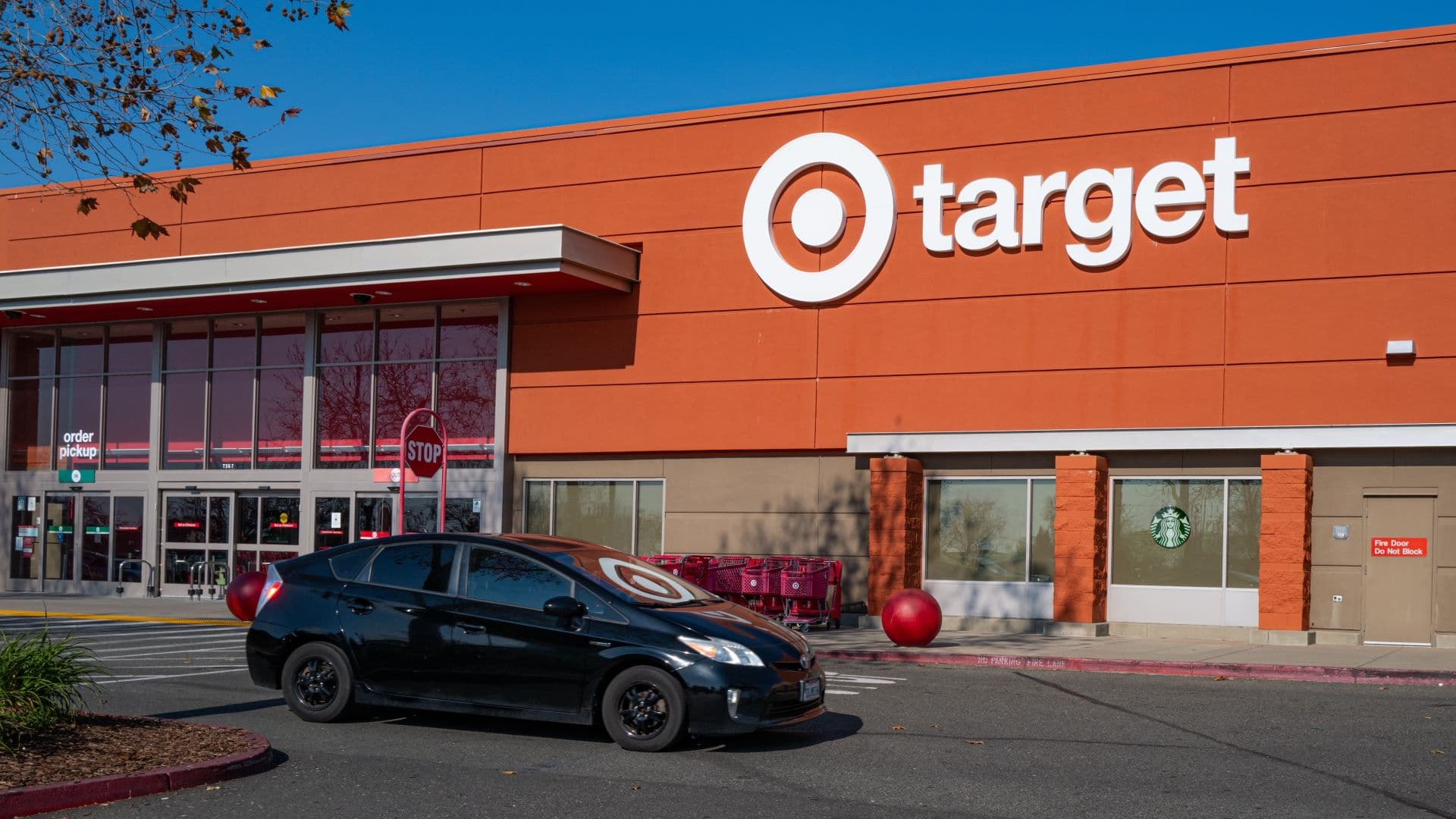
Target has made it a strategic priority to improve supply chain operations so it can avoid out-of-stock situations and reduce costs. The post Target moves to elevate supply chain operations, inventory reliability appeared first on FreightWaves.
Source Lens
Industry Context
Useful background context, but lower-priority than direct platform, community, or operator intelligence.
Impact Level
medium
Use this briefing to decide whether your team needs an immediate workflow, policy, or reporting change.
Key Stat / Trigger
No single quantitative trigger surfaced in this report.
Focus on the operational implication, not just the headline.
Full Coverage
Target is upgrading its supply chain to support new CEO Michael Fiddelke’s turnaround plan, but better logistics performance already led to more stable inventory levels and revenue growth in the first quarter.
The retailer on Wednesday posted its strongest quarterly sales gain in more than three years during the first three months of 2026, with net sales up 6. 7% to $25. 4 billion and comparable store sales growing 5. 6% year over year. Quarterly profits of adjusted earnings per share of $1.
71 came in above expectations, but a 25% decline in net income suggests that higher investment in merchandise assortments, store modernization and marketing is costly at a time of uncertain consumer momentum.
Management stressed that inventory reliability is a top priority after recent periods in which popular merchandise sold out, leaving money on the table and frustrating customers.
Target’s (NYSE: TGT) New Chief Operating Officer Lisa Roath told analysts on a conference call that supply chain improvements will help boost sales and the bottom line, noting that out-of-stock products were down compared to the prior year. “Our go-forward strategy is focused on...
product availability, ship-to-home speed, and improved leverage on supply chain expenses. In Q1, we saw higher inventory productivity with turns up more than 10% year-over-year. We also maintained consistent top item availability and improved key reliability metrics, even amid higher than expected demand.”
The most immediate inventory improvement was in the company’s most popular product categories, such as food, essentials and beauty, said Roath. Target is investing in facilities, data analytics and personnel to take supply chain management to the next level.
“We’re working to use AI to improve our demand forecasting, which helps reduce some of the volatility that can lead to some of those in-stock issues,” she explained. On Tuesday, Target announced the hiring of Jeff England to be its next chief supply chain officer and accelerate those trends.
England previously held the same role at three other companies, including Walmart. Retailers are increasingly focused on avoiding empty shelves and improving e-commerce fulfillment speed because they result in a better shopper experience, which makes shoppers more willing to buy from their stores.
With ongoing expansion of next-day and same-day delivery service for online customers, stores are an increasingly important part of Target’s supply chain strategy. The retailer says that two-thirds of digital sales are fulfilled the same day, through drive-up, in-store pickup or same-day delivery for Target Circle 360 members.
During the first quarter, the retailer owned seven new stories, including its 2,000th location and is on track to open more than 30 stories this year, management said. The new stores are larger than typical outlets, averaging about 125,000 to 150,000 square feet apiece, creating more opportunities for fulfillment services.
Target also recently opened two warehouse facilities: a new food distribution center in Colorado and its first-ever “receive center” in Houston.
The food DC will help the company ensure produce and other fresh foods are in stock, The Houston facility alone is expected to process about 25 million cartons each year, significantly expanding upstream network capacity, Roath said.
Target has previously said the receive center will support six regional distribution centers and one flow center, acting as a buffer between import warehouses and store-level distribution so it can better manage seasonal, bulky or hard-to-forecast goods while reducing congestion at DCs and store backrooms.
“What we like about that is that it gives us the flexibility to hold more long- lead time imports, seasonal inventory, upstream and then distribute that closer to the time when the guest needs it,” Roath said. “It’s just one more lever that gives us the opportunity to have product where our guests need it, when they are looking for it.”
Click here for more FreightWaves/American Shipper stories by Eric Kulisch. Write to Eric Kulisch at ekulisch@freightwaves. com.
RELATED STORIES: Target opens $265M Houston logistics facility Target begins rollout of next-day delivery to 20 more cities The post Target moves to elevate supply chain operations, inventory reliability appeared first on FreightWaves.
Original Source
This briefing is based on reporting from Freightwaves. Use the original post for full primary-source context.
Style
Audience