

Amazon to add fuel and logistics surcharges
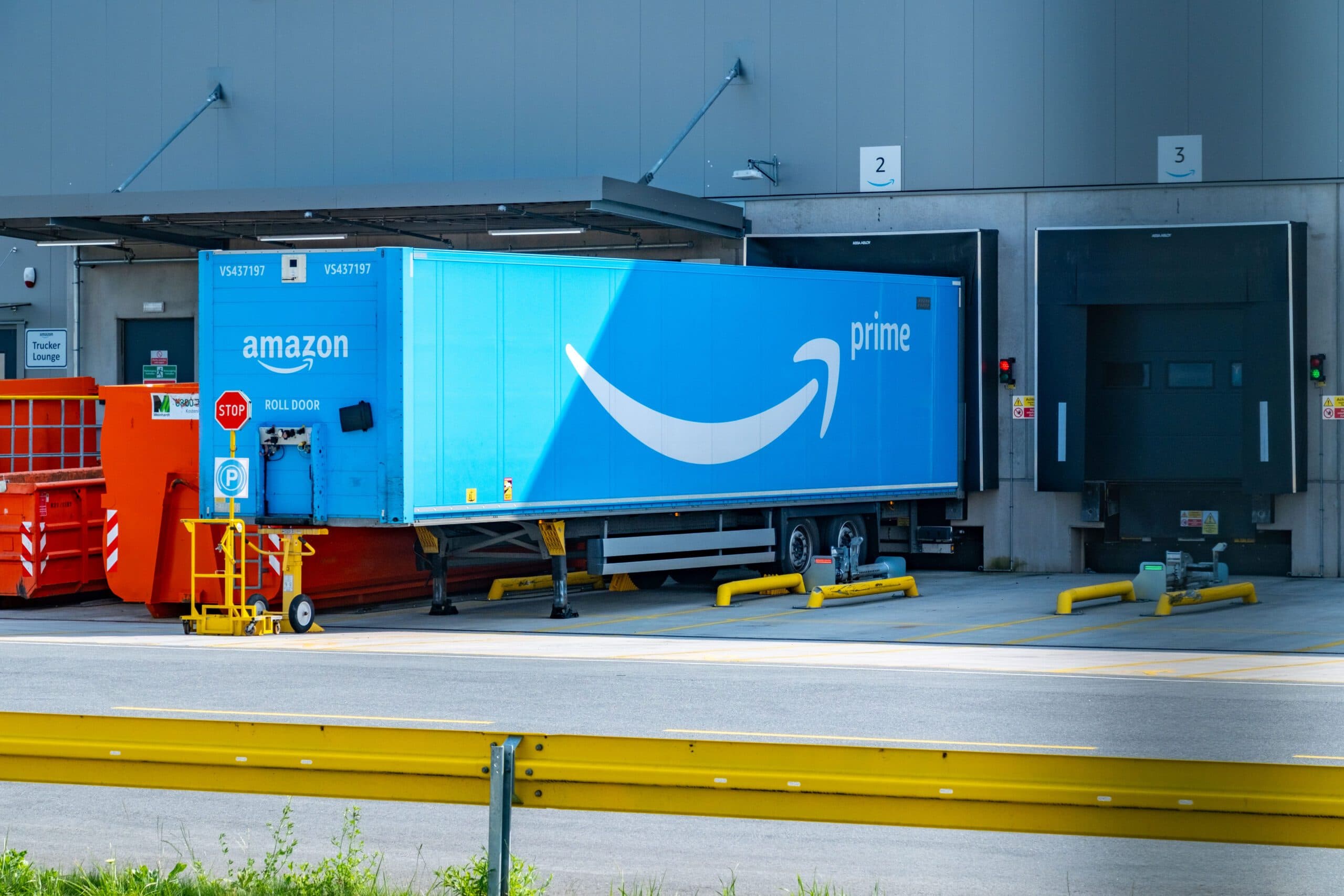
Amazon is adding temporary fuel and logistics surcharges to FBA fulfillment fees, triggered by Strait of Hormuz disruptions that pushed crude oil from ~$60/barrel on Feb. 3 to $112 by April 3. All FBA sellers are directly affected; USPS has also announced a parallel package-shipping surcharge hitting small and mid-sized sellers.
A near-doubling of oil prices in 60 days signals these 'temporary' surcharges could persist or escalate — sellers who haven't repriced since February are already margin-negative on thin-SKU products. Pull your FBA Fee Preview Report in Seller Central now and filter for any ASIN where net margin drops below 15% after applying a conservative 10-15% fulfillment cost increase.
This is textbook margin compression from macro supply chain shocks cascading into platform fee structures — carriers and marketplaces are systematically transferring geopolitical cost risk onto sellers, a pattern that will accelerate if the Strait of Hormuz remains disrupted.
Run the FBA Revenue Calculator or Fee Preview Report for your top 20 SKUs -- if post-surcharge margin falls below 10%, raise prices or shift to FBM before the surcharge activates.
Set a price floor rule in your repricer (or Seller Central's Automate Pricing) within 30 days to automatically prevent the algorithm from undercutting you below your new break-even threshold.
Bottom Line
Amazon fuel surcharges mean immediate margin hits for every FBA seller.
Source Lens
Analyst Intelligence
Research or editorial analysis that adds market context beyond the official announcement.
Impact Level
medium
Amazon fuel surcharges mean immediate margin hits for every FBA seller.
Key Stat / Trigger
Crude oil rose from ~$60/barrel on Feb. 3 to $112 by April 3, 2026
Focus on the operational implication, not just the headline.
Full Coverage
Amazon will implement “temporary surcharges” on fulfillment fees tied to fuel and logistics, the company announced in a post on the Amazon Seller Central website. Businesses, including Amazon, have faced increased operating costs tied to fulfillment and supply chains as a result of the U. S. and Israel’s war on Iran.
The war has disrupted — and in some cases, halted — transit through the Strait of Hormuz. The strait runs between Iran and Oman, and about a fifth of the world’s oil normally flows through it. As of the morning of April 3, the price of a barrel of crude oil reached $112. On Feb. 3, it was about $60, according to historical data from Trading Economics.
“We have absorbed these increased costs so far,” Amazon said. “However, similar to other major carriers, when costs remain elevated, we implement temporary surcharges on our fulfillment fees to recover a portion of the actual cost increases we are experiencing.” The U. S. Postal Service (USPS) has also announced a package-shipping surcharge.
USPS expects the surcharge to have the greatest impact on small and mid-sized ecommerce sellers and distributors that depend on USPS for cost-effective ground shipping. This is part of a larger trend of implementing shipping surcharges tied to the war on Iran. “We know this impacts your business,” Amazon said in the announcement.
“The tools above are available to help you plan, and we will continue to evaluate this surcharge as conditions evolve.” Amazon ranks No. 1 in Digital Commerce 360’s Top 2000 Database. The database is how Digital Commerce 360 tracks the largest North American online retailers by their annual ecommerce sales. Amazon is also No.
3 in Digital Commerce 360’s Global Online Marketplaces Database. That database ranks the 100 largest such marketplaces by third-party gross merchandise value (GMV). News Analysis: Shipping surcharges surge across carriers, reshape ecommerce economics Mark Brohan | Mar 26, 2026
Original Source
This briefing is based on reporting from Digital Commerce 360. Use the original post for full primary-source context.
Style
Audience