

Shopify brings native B2B features to millions more merchants
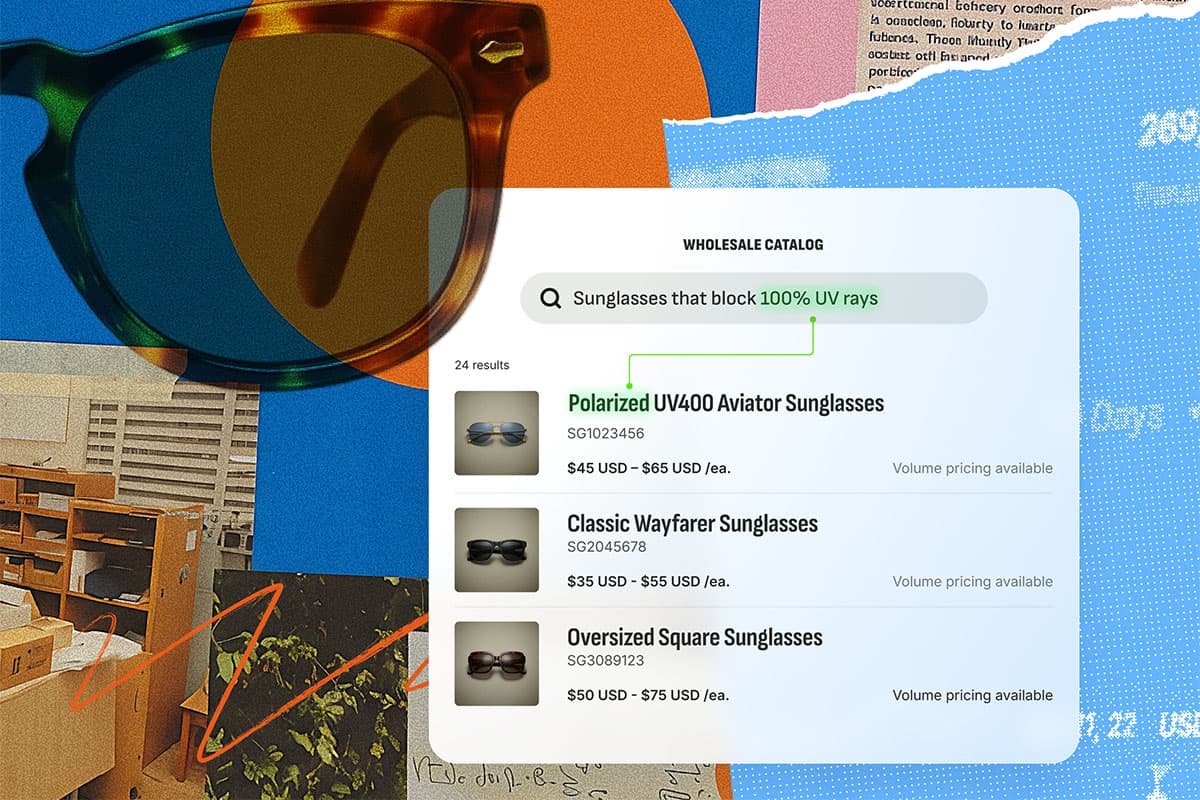
Shopify extends native B2B features to Basic, Grow, and Advanced plans at no extra cost, previously only available on Plus. Features include company profiles, custom catalogs, volume discounts, and payment terms.
Multi-channel sellers can now consolidate B2B operations on lower-cost Shopify plans instead of managing separate wholesale systems. This creates a unified inventory and pricing hub that could streamline operations across Amazon, Walmart, and DTC channels.
Platform consolidation accelerates as Shopify competes directly with specialized B2B tools, forcing sellers to choose between best-of-breed solutions or unified platforms.
Audit your current B2B tool stack -- if paying for separate wholesale platforms, test Shopify's native features to potentially reduce monthly costs.
Set up unified inventory tracking across DTC and B2B channels to avoid overselling on marketplace platforms.
Bottom Line
Shopify democratizes B2B tools, creating cheaper wholesale management for multi-channel sellers.
Source Lens
Industry Context
Useful background context, but lower-priority than direct platform, community, or operator intelligence.
Impact Level
medium
Shopify democratizes B2B tools, creating cheaper wholesale management for multi-channel sellers.
Key Stat / Trigger
Three custom catalogs with tailored pricing now available on all plans
Focus on the operational implication, not just the headline.
Full Coverage
For the first time, merchants on every Shopify plan can manage wholesale and DTC from a single platform with no plugins or patchwork. Shopify is extending its foundational B2B features to merchants on Basic, Grow, and Advanced plans, at no extra cost.
Key pieces of what has been refined on Shopify Plus over nearly four years are now rolling out to all merchants.
For the first time, merchants on non-Plus plans can access native features including company profiles for wholesale buyers, up to three custom catalogs with tailored pricing, volume discounts and quantity rules, vaulted credit cards, and payment terms. Merchants are telling us wholesale buyers are already asking to purchase their products.
But too often, B2B tools have lived outside the systems they use to run their business,. By bringing these capabilities to more merchants on Shopify, we’re making it easier for them to seize one of their biggest opportunities to grow.
– Samir Pradhan, VP of Product, Shopify B2B & DTC on one platform When Shopify launched B2B on Plus, they started with merchants whose scale and complexity pushed the product to its limits. Their feedback shaped what it became, and Shopify now has dozens of features made specifically for B2B.
Shopify built B2B directly into the core of their platform, not as a bolt-on or separate product. That means if you already rely on DTC features like Shopify Flow, Markets, and Shopify Payments, they’ll now work for B2B too. It’s one unified admin, one source of truth, for every side of a business.
B2B has consistently been one of the most requested capabilities from non-Plus merchants. And now, this foundation is available on every plan. For merchants with established B2B businesses and more complex needs, Plus continues to offer full access to all Shopify B2B features.
Plus merchants still get unlimited catalogs for customer-specific pricing, direct catalog assignment to companies and locations, partial payments, and deposits. The path between plans is seamless, no replatforming required. This launch is another step toward unifying commerce for merchants at each stage of growth.
B2B is a core way merchants do business, and now every Shopify merchant has the native tools to do it. If B2B and DTC are part of the same business, the software should work that way too. Making commerce better for everyone means removing the artificial lines between how merchants sell. – Samir Pradhan, VP of Product, Shopify
Original Source
This briefing is based on reporting from Tamebay. Use the original post for full primary-source context.
Style
Audience