Lululemon’s identity crisis continues, with comp sales down 9%, as it prepares to welcome new CEO
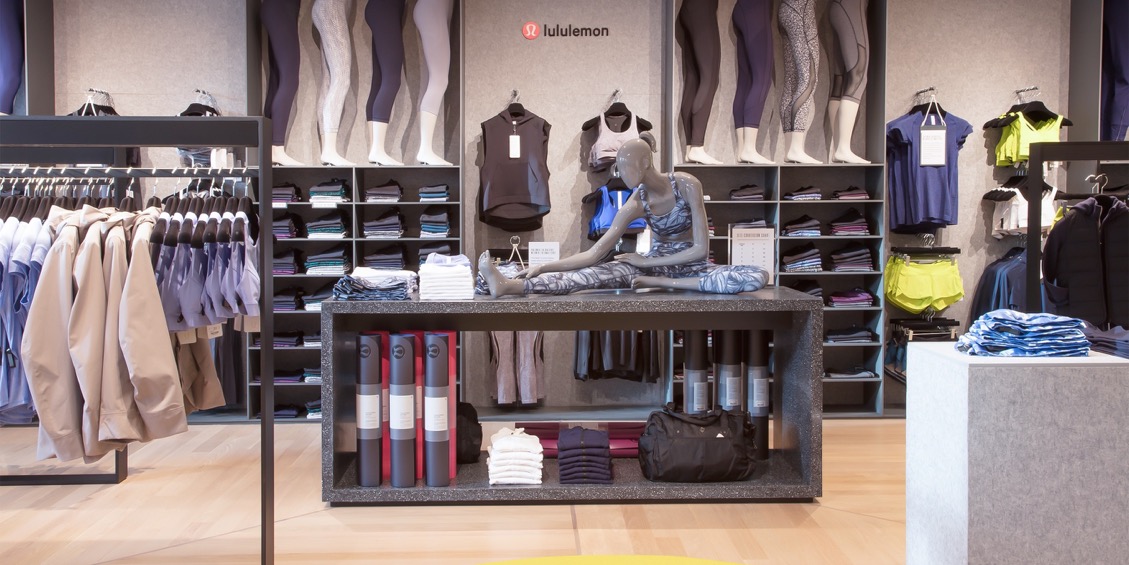
Lululemon posted Q2 2026 comp sales down 9% (Americas down 12%), with leggings sales falling 20% YoY as Vuori and Alo Yoga continue stealing market share. Incoming CEO Heidi O'Neill inherits a brand with inconsistent product launches and a cost structure built for growth it no longer has.
This reflects accelerating fragmentation in dominant lifestyle apparel brands — the same pattern seen when Nike lost ground to On and HOKA. Marketplace sellers who move fast on emerging brand aesthetic gaps capture organic demand before ad costs spike.
Lululemon's leggings collapse signals a category-wide vulnerability: dominant SKUs can erode fast when challenger brands enter at scale. Athleisure sellers on Amazon and Walmart should audit their own category share data now — if Lululemon's top category is down 20%, adjacent private-label and resale sellers may see demand shifts toward Vuori/Alo-style aesthetics and price points.
Operational Impact
This story may require teams to revisit workflows, monitoring, or platform assumptions.
Bottom Line
Lululemon's 20% leggings drop opens real shelf space for challenger athleisure sellers.
Source Lens
Industry Context
Useful background context, but lower-priority than direct platform, community, or operator intelligence.
Impact Level
low
Lululemon's 20% leggings drop opens real shelf space for challenger athleisure sellers.
Key Stat / Trigger
Leggings sales down 20% in Q2 2026
Focus on the operational implication, not just the headline.
Full Coverage
Global Retail // September 3, 2026 Lululemon’s identity crisis continues, with comp sales down 9%, as it prepares to welcome new CEO By Anna Hensel Lululemon Former Nike executive Heidi O’Neill will have her work cut out for her as she prepares to take over as CEO of Lululemon starting Sept. 8.
Lululemon reported second-quarter earnings on Thursday that came in below expectations, and executives faced plenty of questions from Wall Street analysts about whether the activewear brand had correctly diagnosed the challenges it faces. Net revenue was down 4% year over year, while comparable sales were down 9% compared to the same period last year.
Sales were down in all major regions, but the sales decline in the Americas was particularly stark, with comparable sales down 12%. As interim co-CEOs Meghan Frank and André Maestrini described it on the call: In Q1, Lululemon saw some signs that its turnaround is working. Net revenue was $2.
47 billion, up 4% year over year, not far off from the 5% revenue increase Lululemon saw in 2025. But “as we moved into Q2, we faced negative commentary in the media and social channels,” said Frank, who is also Lululemon’s CFO.
While she didn’t say exactly what that negative commentary was, during the first-quarter earnings call in June, Frank cited both its proxy war with the brand’s founder, Chip Wilson, and Texas Attorney General Ken Paxton’s decision to launch an investigation into the alleged presence of so-called “forever chemicals”, or PFAS, in its products.
That, in turn, “impacted traffic and softer-than-planned response to some new product launches, which contributed to a moderating sales trend.” While Frank said Lululemon was seeing some good reaction to Q3 product launches, “response to our product launches remains inconsistent.”
Frank laid out all the initiatives Lululemon was investing in to cut costs and return to growth. It’s increasing marketing investments in the second half of the year and working to more aggressively capitalize on the success of strong-performing styles.
Lululemon’s “strong financial position” also allows the brand to make more aggressive investments, like increasing marketing spend, in the quest to return to sales growth, Frank emphasized. Gross profit for the second quarter was $1. 5 billion, down 1% year-over-year. That wasn’t enough to satisfy some Wall Street analysts.
Ike Borochuw, managing director and senior analyst at Wells Fargo, had questions about what Lululemon is doing to cut costs. It wasn’t that long ago that Lululemon was still reporting double-digit sales growth — net revenue in 2024 was up 10% — and the present-day Lululemon still largely reflects a company that was built for growth.
“How quickly can you adjust the cost structure?” he asked. “Because if the top line trajectory doesn’t turn in the next couple of quarters, it just feels like this could get a bit messier as you kind of get into next year.” He added that the underperformance in sales “doesn’t feel like that’s been fully diagnosed yet.”
“We are in action on the cost side,” Frank said. Lululemon has been suffering from a bit of an identity crisis as new players like Vuori and Alo Yoga have boomed in popularity. “In a world of a million athleisure brands, who is Lululemon for?” New York Magazine wondered in a feature earlier this year.
The brand’s core leggings business has been hurt the most by new entrants. Sales of leggings were down 20% in Q2. Frank talked up some product categories that have been seeing a positive response from customers — men’s golf tops, metal vent tech T-shirts and some new fabrics in women’s — but it hasn’t been enough to offset the decline in leggings.
“Things have gone from bad to worse at Lululemon,” GlobalData managing director Neil Saunders said in a note to the media. “A combination of an incredibly boring assortment, too much non-core product that misses on both fashionability and style, and an absence of good technical innovation have all contributed to a rapid loss of brand heat.”
Lululemon will be pinning its turnaround hopes on O’Neill, who previously led the direct-to-consumer business at Nike. “We’re excited our incoming CEO Heidi O’Neill joins us next week,” Frank said.
“We expect she will take a deep dive into the business, evaluating our strategy and current action plan, and we look forward to the fresh perspective she will bring to define the path forward for Lululemon’s next chapter.” Copy link
Pull your Amazon Search Query Performance report for athleisure/leggings ASINs — if CTR is declining while impressions hold, a preference shift is happening; adjust creative and positioning toward performance or style differentiation now.
In the next 30 days, test ad spend against Vuori and Alo Yoga branded keywords as conquesting targets — their rising search volume creates a cheaper path to buyers defecting from Lululemon.
Original Source
This briefing is based on reporting from Modern Retail. Use the original post for full primary-source context.
Style
Audience