

California regulators have started a regulatory push on diesel TRU emissions
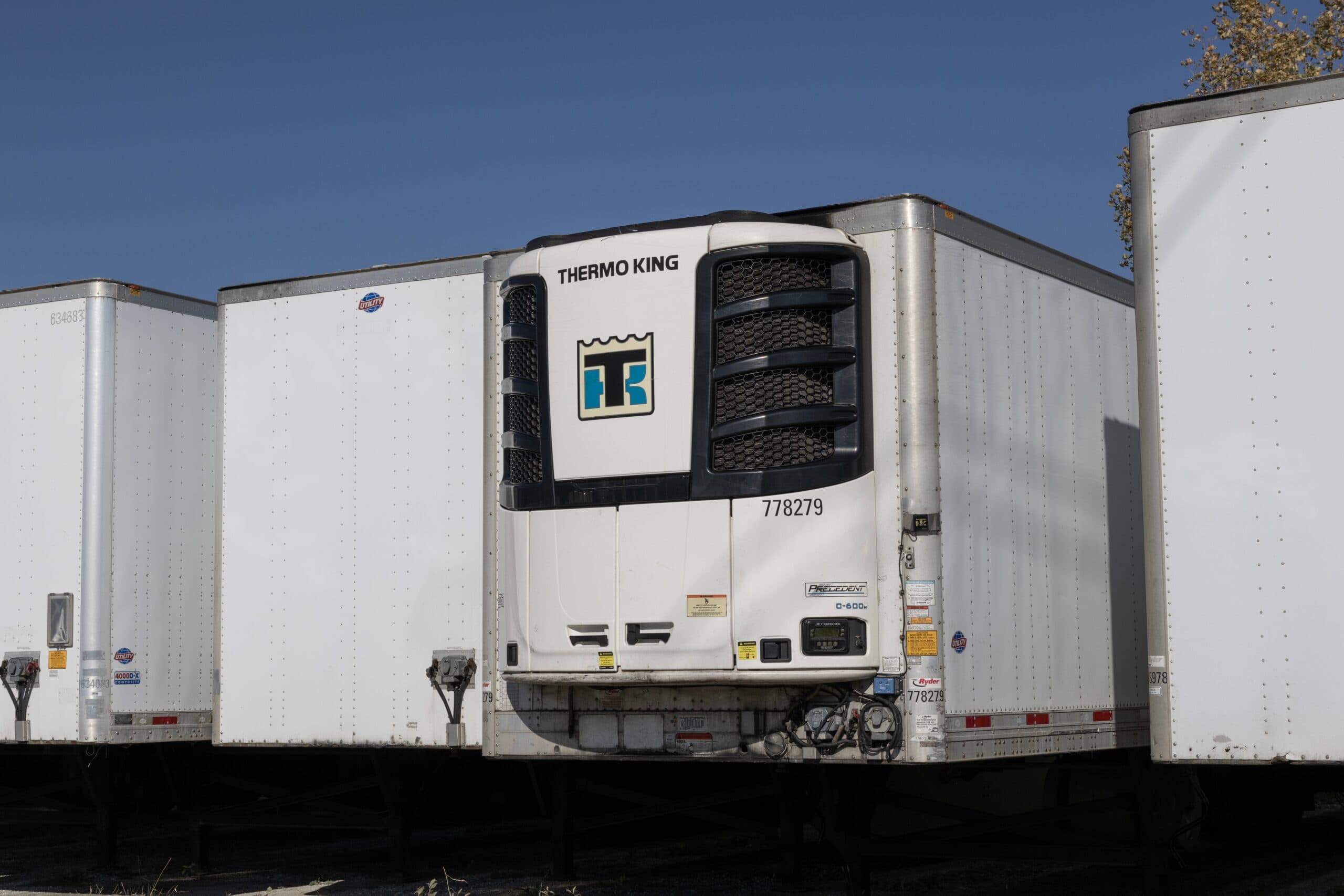
California began enforcing diesel transport refrigerated unit (TRU) regulations without announcement, requiring warehouses 20,000+ sq ft to report quarterly on carriers' compliance. TRU owners must register units, obtain CARB ID numbers, and transition 15% of fleets to zero-emission annually through 2029.
Fulfillment centers and 3PLs handling frozen/refrigerated inventory will face compliance burdens and potential carrier shortages as diesel TRU operators avoid California. Expect higher cold chain logistics costs as compliant carriers charge premiums for California deliveries.
This signals broader regulatory shifts targeting logistics infrastructure, forcing sellers to absorb compliance costs as environmental regulations trickle down through supply chains.
Audit your 3PL contracts -- if warehouses are 20,000+ sq ft in California, ensure they handle TRU compliance reporting to avoid shipment delays.
Review frozen/refrigerated product margins for California sales -- factor in 10-15% logistics cost increases as carriers upgrade equipment.
Bottom Line
California TRU crackdown means higher cold chain costs for sellers.
Source Lens
Industry Context
Useful background context, but lower-priority than direct platform, community, or operator intelligence.
Impact Level
medium
California TRU crackdown means higher cold chain costs for sellers.
Key Stat / Trigger
15% annual fleet transition to zero-emission TRUs required through 2029
Focus on the operational implication, not just the headline.
Full Coverage
A crackdown on diesel-powered transport refrigerated units (TRUs) in California has apparently begun without a formal announcement, as this small part of mostly sidelined California truck emission restrictions now has a mostly open field for enforcement. There are no new laws regarding emission restrictions on the TRUs that are powered by diesel engines.
The last big overhaul was in 2022. Pages devoted to the TRU rules on the webpage of California Air Resources Board (CARB) give no suggestion anything has changed. Emails sent to CARB had not been responded to by publication time.
Law firm tips off the world on the regulatory push The new enforcement effort was disclosed in recent weeks by an email sent to its clients by the transportation practice of the Benesch law firm. The push by CARB, according to the law firm, is mostly aimed at pressuring warehouses to comply with rules regarding disclosure of the TRUs that use their facility.
“CARB is ramping up enforcement of its diesel TRU regulations that apply to refrigerated trailers, containers, and trucks, requiring both TRU owners (including those outside California) and large facilities receiving refrigerated shipments to register, report and comply with strict new rules,” Benesch said in its communication.
Brian Cullen, who is Of Counsel with Benesch, said the diesel TRU regulations “have been on the books but not really been enforced, and now suddenly, they’ve decided to start enforcing it.”
A void in the regulatory landscape Cullen, who focuses on California regulatory issues for Benesch, noted that the ambitious clean truck goals behind the Advanced Clean Fleets and Advanced Clean Truck regulations, which were designed in tandem by the state to move it toward a zero-emission trucking future, are on the sideline after the state’s recent battles with the federal government.
But the TRU rules are still intact. “The state is trying to figure out a way to still regulate the industry a bit,” Cullen said. “So that’s one part. And then two, it seems like they have all these CARB employees who were in charge of other items, needing something to do or needing to work.”
The 2022 amended rule affirmed earlier sweeping changes in the original rule that dates back to 2004.
Among the most stark changes is a requirement that beginning with the close of 2023, TRU owners needed to turn over “at least 15 percent of their truck TRU fleet (defined as truck TRUs operating in California) to zero-emission technology each year,” and do so for seven years. The goal was to be 100% ZEV TRUs by the close of 2029.
But Cullen said despite that rule, “from what we’ve seen, there’s been a complete halt on companies trying to purchase ZEVs from a vehicle standpoint.”
Responsibility falling on warehouses The push that Benesch clients have been telling the law firm about, Cullen said, is that the state is sending out notices “with regards to, hey, you know, you need to submit this information on a quarterly basis.
They’re starting to make the warehouse companies basically snitch on carriers that don’t have the proper stickers on their trailers.” Or as Cullen’s law firm said in its report, “Under existing California law, all TRU owners, including those based outside California, must register every diesel-powered TRU (i. e.
, refrigerated trailers, refrigerated intermodal containers) that operate in the state via the Air Resources Board Equipment Registration System (ARBER) system and obtain a CARB Identification Number (IDN).
Owners must also affix CARB compliance labels to each registered unit every three years and pay operating fees which CARB uses to support its expanded enforcement activities.”
And where the warehouse mandate comes in, Benesch said, is that at the start of 2024, “owners of refrigerated warehouses or distribution centers with a building size of 20,000 square feet or greater, grocery stores with a building size of 15,000 square feet or greater, seaport facilities, and intermodal railyards with TRU activity (applicable facilities) shall register the facility with CARB, pay fees every three years, and report all TRUs that operate at their facility to CARB quarterly, or alternatively ensure that only compliant TRUs operate at their facility (i.
e. , those with a valid CARB compliance label or showing as compliant on CARB’s website).” Refrigerants and PMs Beyond having the right sticker, compliance also means that existing diesel TRUs must use refrigerants that meet certain global warming benchmarks, and to use engines with tighter particular matter standards.
The warehouses would need to determine whether a TRU using its facilities is in compliance with the state’s rules.
“Businesses can increase their readiness by verifying that all diesel TRUs are registered and labeled as compliant, and that their facilities meet quarterly reporting or compliance declaration requirements,” the law firm said in its note to clients. “Proactive compliance is essential to avoid costly fines and
Original Source
This briefing is based on reporting from Freightwaves. Use the original post for full primary-source context.
Style
Audience