

Target gets K-beauty brands to think beyond Sephora, Ulta with new Beauty Studio
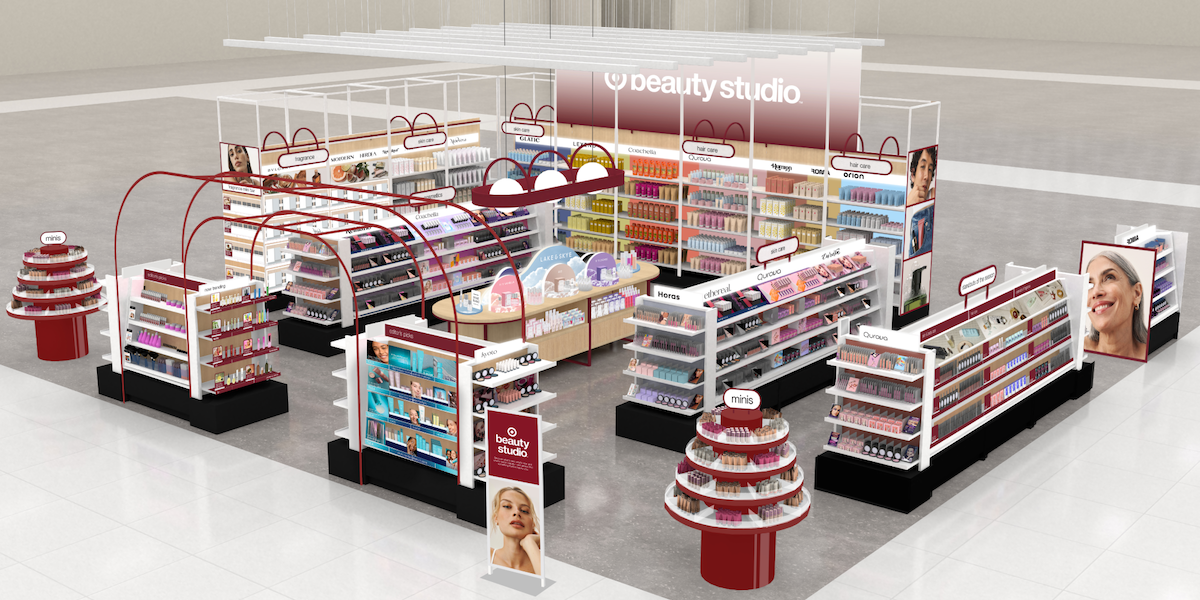
Walking around a Target store today, shoppers are going to find far more K-beauty brands than they would have a year ago as the retailer seeks the latest trends and as Korean brands seek to expand into U.S. mass retail.
Source Lens
Industry Context
Useful background context, but lower-priority than direct platform, community, or operator intelligence.
Impact Level
medium
Use this briefing to decide whether your team needs an immediate workflow, policy, or reporting change.
Key Stat / Trigger
No single quantitative trigger surfaced in this report.
Focus on the operational implication, not just the headline.
Full Coverage
Global Retail // September 21, 2026 Target gets K-beauty brands to think beyond Sephora, Ulta with new Beauty Studio By Mitchell Parton Target Walking around a Target store today, shoppers are going to find far more K-beauty brands than they would have a year ago as the retailer seeks the latest style trends and as Korean brands seek to expand into U. S.
mass retail. Earlier this year, Target quadrupled its K-beauty assortment with more than 150 new products and more than 10 new brands across skin care, makeup and hair care, according to the retailer.
With the launch of Target Beauty Studio earlier this month, Target said in a fact sheet that it brought six “K-beauty cosmetics favorites” into the selection in addition to K-beauty products that can be found across Target’s broader beauty selection. Five of the six brands are new to Target.
Target has been working to freshen up its assortment and shopping experience, hoping that will lead to a return to long-term financial growth. The new beauty selection replaces former Ulta Beauty shops within Target stores and will feature more than 1,600 products from 90 brands, largely brands new to Target.
Some of the K-beauty brands included in the Beauty Studio include Amuse, Kaja, Rom&nd, Dr. Melaxin, Purito Seoul and Sungboon Editor, according to Target. Outside of the brands explicitly mentioned as being K-beauty brands that are new to Target Beauty Studio, Modern Retail found roughly a dozen brands in the launch lineup tied to Korean owners or founders.
Those include hair-care brand Aromatica and skincare brand Voesh. The K-beauty representation in Target Beauty Studio demonstrates a shift for Korean brands and beauty practices toward big-box retail, in addition to their presence in specialty retailers such as Sephora and Ulta that have been a haven for this sector.
Ulta added 13 K-beauty brands last year across makeup and skin care, according to Glossy. Sephora partnered with South Korean beauty retailer Olive Young this year to launch 19 K-beauty brands in its U. S. stores and online, New York Magazine’s The Strategist reported in August. Olive Young has also recently started opening U. S. stores of its own.
“The fact that so many K-beauty brands are entering major retail channels proves that Korean cosmetics are actively leading the global beauty market,” Jinwoo (James) Kim, a leader with the America region for Dr. Melaxin, which is Korean-owned and -founded, told Modern Retail.
“Unlike in the past when it was a temporary trend, it’s now clear that everyone is genuinely interested, which has significantly raised consumer expectations and standards.” However, there are other areas of representation that are lacking in Target’s new Beauty Studio assortment.
As previously reported, Modern Retail could only identify two with Black owners or founders in the new 90-brand beauty assortment: hair-care brand Briogeo and Glamazon Beauty, a line of cosmetics.
Target said the Target Beauty Studio assortment is not static and will continue to add new brands and products on a regular basis in response to guest interests, emerging trends and beauty innovation. Interest in K-beauty has skyrocketed over the past two years, Target said, adding that customers are driven to its innovation, playful design and value.
“Target’s beauty strategy starts with understanding what its guests want — high-quality products at accessible prices, assortments that reflect their personal style and experiences that make shopping feel inspiring and effortless,” the company said in a statement.
“By bringing sought-after Korean brands and products into a mass retail environment, Target gives both K-Beauty enthusiasts and guests who are newer to the category an easy way to discover and incorporate K-Beauty into their routines.”
One thing that helped two of the brands, Purito Seoul and Aromatica, get into the Beauty Studio was that they did not have any exclusivity with Sephora or Ulta in the U. S. , despite those retailers’ expansion efforts, said Daniella Jung, founder and CEO of Muskat Beauty, the distributor of those brands. Muskat is new to the U. S. market.
The company did a small pop-up event in Los Angeles last year to raise awareness in the states and also got in touch with a Target merchant about a year ago, Jung said. Jung said leaders of Korean or K-beauty brands usually think about Sephora and Ulta when considering opportunities in the U. S.
, but that the Beauty Studio launch could help them consider the wider U. S. retail market, also including CVS, Walmart and national grocery chains. “A lot of beauty brands will enter into a new retail space in the U. S. within two years, I think.” Still, Jung cautioned Korean brands that bringing products to U. S.
retailers isn’t just about creating virality on social media, but it’s an operational challenge as well. “They h
Original Source
This briefing is based on reporting from Modern Retail. Use the original post for full primary-source context.
Style
Audience