

ITS Logistics warns shippers budgeting flat face capacity reckoning
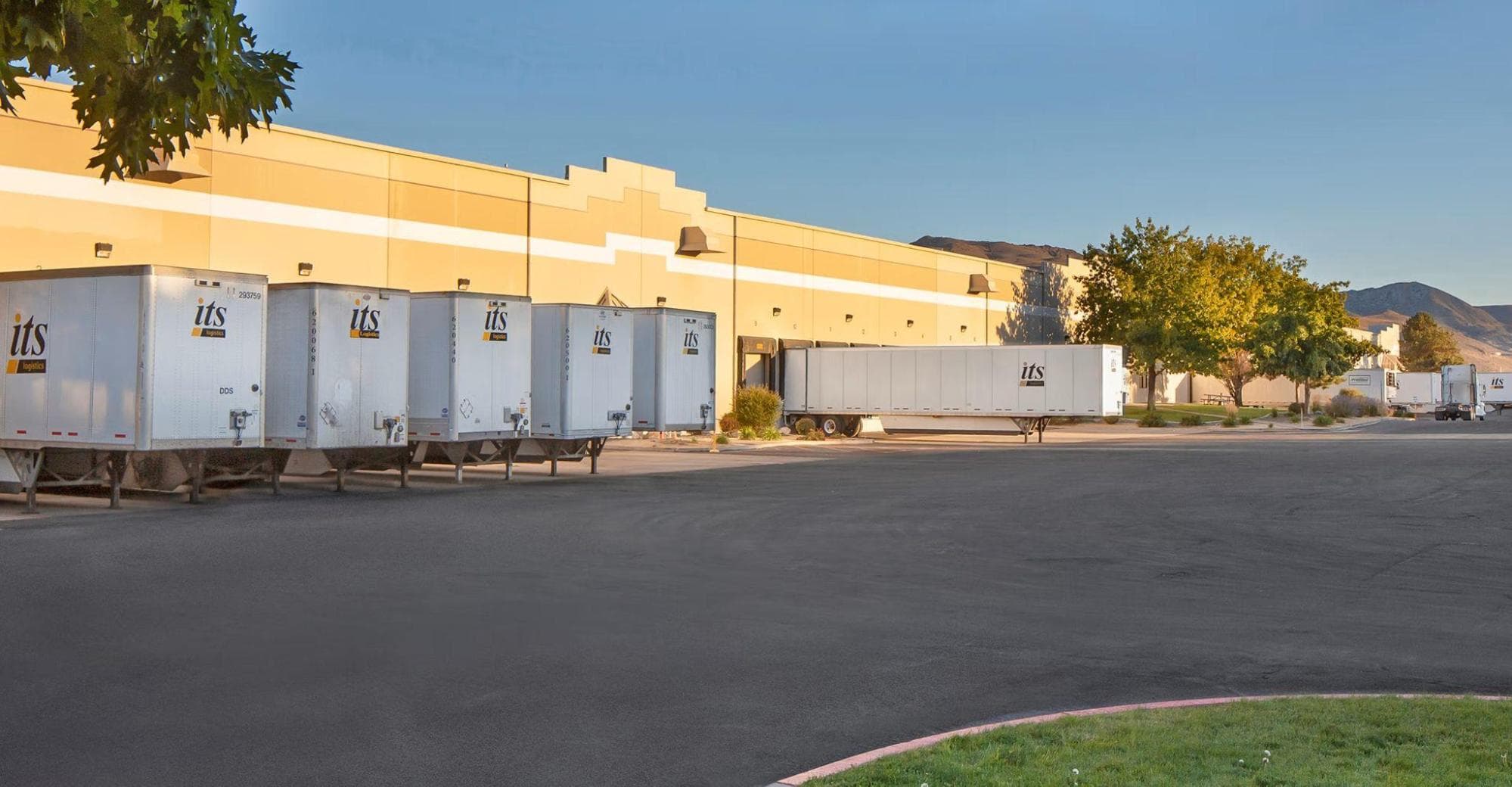
ITS Logistics executives warn shippers who budgeted flat for 2026 face a capacity reckoning as driver exits, fuel costs and lean inventories collide. The post ITS Logistics warns shippers budgeting flat face capacity reckoning appeared first on FreightWaves.
Source Lens
Industry Context
Useful background context, but lower-priority than direct platform, community, or operator intelligence.
Impact Level
medium
Use this briefing to decide whether your team needs an immediate workflow, policy, or reporting change.
Key Stat / Trigger
No single quantitative trigger surfaced in this report.
Focus on the operational implication, not just the headline.
Full Coverage
The freight market is perched on the edge of a capacity-driven precipice. For shippers who spent three years enjoying rock-bottom transportation rates, the good times are ending. Freight demand remains the wildcard. Any sudden spike will not draw the same carrier response as in years past.
In an interview with FreightWaves, Ryan Martin, president of distribution and fulfillment at ITS Logistics, discussed inventories, trailer strategy and shipper budgets amid tightening capacity. “Pain is ahead on the transportation side,” Martin said. “We’ve been seeing the signs building for months.
Shippers don’t typically believe it until they start to feel the pain.” That pain is already showing up in the data. Driver exits, carrier closures, increased regulatory scrutiny on non-domiciled operators and surging fuel costs are stacking up.
For large retailers and brands still budgeting for a flat year in transportation spend, this could be their reckoning. The Great Inventory Cleanup Understanding the current situation requires looking back a few years. The post-pandemic inventory overhang is finally clearing, but not without consequences.
Martin has watched brands wrestle with a harsh new math problem: products that once cost a dollar now run $1. 52, turning excess inventory into a cash-flow drain. “Every customer is pushing for better inventory turns due to the cost of inventory increasing, whether that be through tariffs, transportation rates, etc.
,” said Martin “Customers need to manage their turns much closer from a cash flow standpoint and be a lot more on point with what they buy.” The math is unforgiving. During the pandemic, companies could not manufacture fast enough. Everyone bought massive amounts of product. It arrived in waves and kept selling — until it didn’t.
By 2022 and 2023, inventories had ballooned, warehouse space overflowed, and brands sat on mountains of merchandise they could not move without taking losses. “Retailers don’t want to heavily discount items (upwards of 50%-75% plus) just to move the inventory as it sits on the balance sheet as a cash equivalent,” continued Martin.
“So they will sit on it, moth ball it for some time and then it typically only moves when a new buyer or General Merchandise Manager comes in and gets the grace to liquidate that destressed inventory, since they didn’t purchase it in the first place, they don’t own the loss when its sold.” The result has been aggressive SKU rationalization.
One brand ITS works with is cutting 50% of its product catalog after finally calculating true carrying costs. Martin used a lean-manufacturing metaphor to describe what is happening across the industry. “The water level lowers. You can see the rocks in the stream,” he said.
“Right now, we’ve been so focused on that, that’s why warehouse capacity increased over the past couple of years.” The cleanup has exposed a pattern Martin saw repeatedly during his 11 years on the retail side. When division managers and merchandise buyers miss their buys, they do not get a free pass to write off the inventory.
The reckoning comes when leadership changes. “Whatever they buy is all theirs,” Martin said. “And it’s their responsibility to sell it. That’s why the General Merchandise Managers for these retailers have some of the biggest jobs in the sector — they control millions, if not billions, of dollars in spend.”
The winners in this environment are wholesalers such as TJX Companies, Ross and Dollar General, which buy distressed inventory when brands finally pull the trigger on markdowns. “Those that go out and buy this distressed inventory, they do very well in these markets,” Martin said. The Cheerios vs. Gas Theory Consumer behavior remains the biggest wildcard.
Martin has developed a theory about what truly drives purchasing decisions, and it has little to do with grocery prices. “No one could ever tell you what the box of Cheerios cost yesterday at the grocery store was even though it went up 50%,” he said. “It doesn’t resonate. When you go to the pump, that resonates with everyone.”
It is simple psychology, and it is powerful. Fuel serves as a universal economic anchor. Everyone fills up on a consistent basis, and the price stares back within minutes. When that number climbs, anxiety follows — even among consumers who do not technically need to worry. “It’s a few purchases that everyone knows. Everyone knows the baseline,” Martin said.
“And when it increases like it is today, you start getting a little nervous even if you don’t need to.” When fuel hit $7 or $8 per gallon in certain regions, e-commerce purchases dropped noticeably, especially for higher-end items. Mother’s Day provided a brief pop, but the underlying anxiety persists.
“We definitely saw a dip, and I’ve known enough people and talked to enough people that there was a dip across e-com,” Martin said. “There was definitely a dip especially for higher-end purchases just because of the impact of fuel.” The numbers create a troubling par
Original Source
This briefing is based on reporting from Freightwaves. Use the original post for full primary-source context.
Style
Audience