How Amazon’s $100 million Right Now Climate Fund is protecting and restoring nature around the world
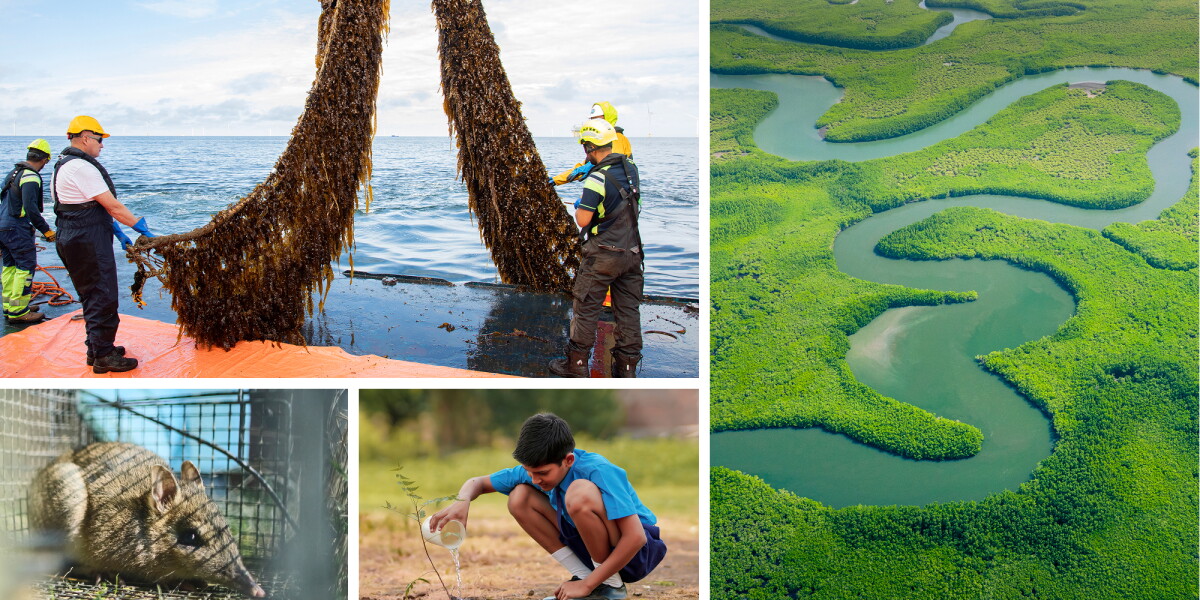
Amazon's $100M Right Now Climate Fund made its first Japan investment (¥220M/$1.4M through 2030) to restore 100 hectares of forest near Tokyo, Osaka, and Nagoya. This is a corporate sustainability initiative with no direct seller-facing policy or operational changes.
Amazon continues building its ESG narrative ahead of regulatory scrutiny, but sellers should watch for downstream requirements if sustainability certifications become listing eligibility criteria.
Amazon's climate spending signals ongoing ESG positioning but creates zero near-term impact on seller fees, ad costs, or fulfillment operations. No action required from sellers or agencies.
Operational Impact
This story may require teams to revisit workflows, monitoring, or platform assumptions.
Bottom Line
Amazon climate PR has zero impact on seller fees or operations.
Source Lens
Official Platform Update
Direct platform communication. Highest-value for policy, product, and operational changes.
Impact Level
low
Amazon climate PR has zero impact on seller fees or operations.
Key Stat / Trigger
$100M Right Now Climate Fund across 15+ countries
Focus on the operational implication, not just the headline.
Full Coverage
Recent Updates 12 hours ago Share Amazon announces first Right Now Climate Fund investment in Japan, helping to restore forests and biodiversity Amazon has announced its first Right Now Climate Fund investment in Japan, supporting a forest biodiversity restoration project in partnership with the National Land Afforestation Promotion Organization (NALAPO).
With a ¥220 million ($1. 4 million) investment through 2030, Amazon will help restore up to 20 sites totaling 100 hectares of forest near the Tokyo, Osaka, and Nagoya metropolitan areas where many of its customers and employees live and work.
Over five years, the project aims to give around 72,000 people the chance to connect with nature, including 20,000 students who will take part in hands-on environmental education. Around 70% of Japan is covered by forest, yet much of it faces challenges from a lack of upkeep and environmental change.
No two sites are alike, so the project tailors its approach to each forest—removing invasive species, thinning overgrown stands, and reintroducing native trees to rebuild habitats where wildlife can live, move, and breed.
01 / 03 In Kiryu, Gunma Prefecture, work is already underway along the headwaters of the Kiryu River, where deer browsing and snow damage has left trees broken and dying. By thinning and replanting native broadleaf trees along the riverbanks, the team is restoring light, insects, and the stream fish that feed on them.
In Chiba Prefecture, overgrown bamboo is being cleared, including at a children's nature playground, reconnecting local families with the forests near their homes. All 20 sites will pursue Other Effective area-based Conservation Measures (OECM) certification, which recognizes areas outside legally protected zones that contribute to biodiversity conservation.
OECM was first conceived in Japan at COP10 in Nagoya in 2010, directly supporting the country's 30by30 goal to conserve 30% of its land and seas by 2030.
Amazon invests $20 million in the Colorado River as part of a coalition to mobilize $100 million for water conservation Amazon is launching a collaborative action initiative alongside other companies to fund water projects across the basin.
No seller action needed — this is a corporate PR/CSR announcement with no marketplace policy, fee, or operational change attached.
Monitor Amazon's Sustainability page if your brand uses Climate Pledge Friendly badges — future fund expansions may tie to new certification requirements.
Original Source
This briefing is based on reporting from About Amazon. Use the original post for full primary-source context.
Style
Audience