

Inside the $10m freight fraud that rocked Chicago
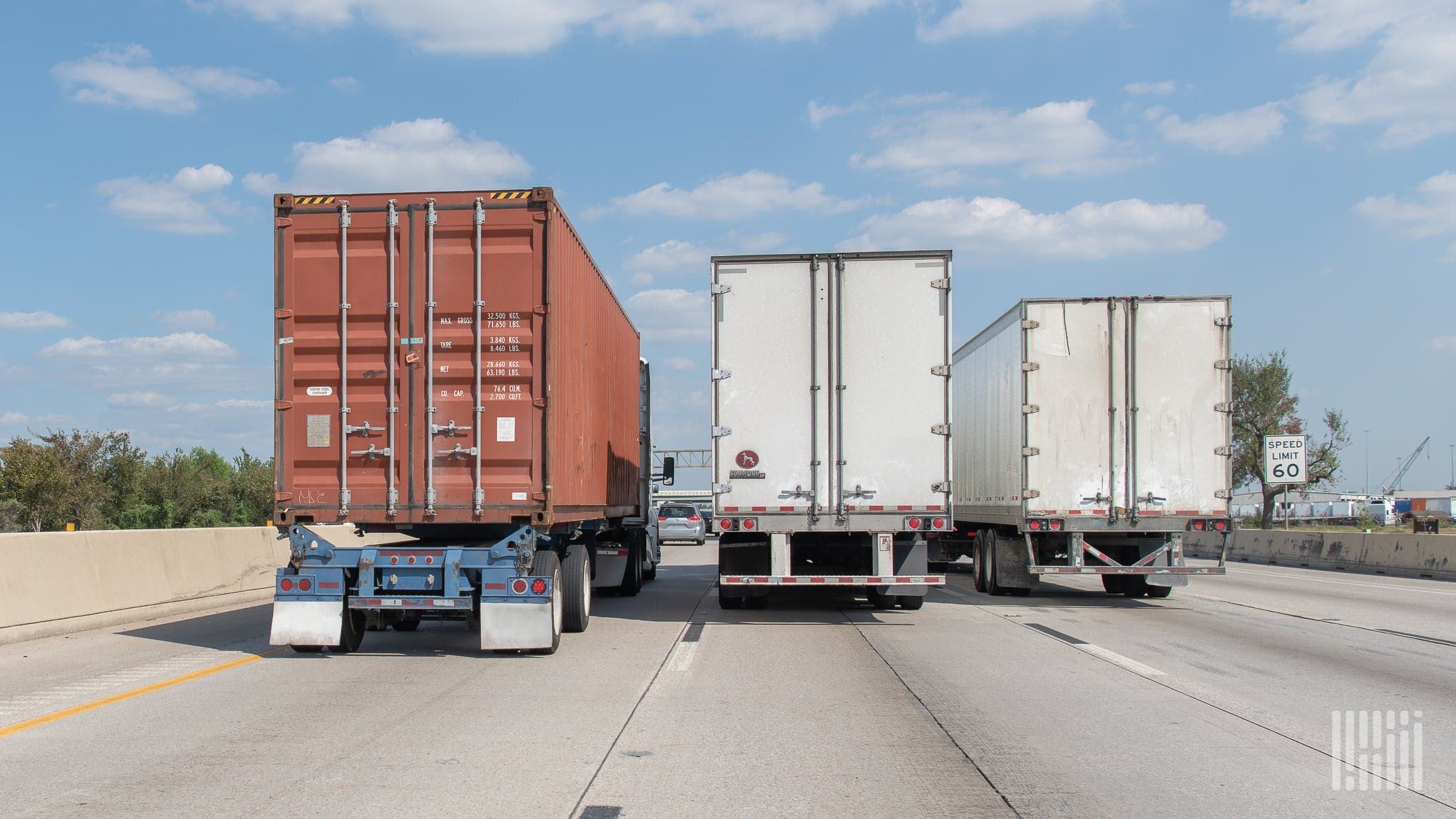
Freight fraud exposed: $10M scam highlights logistics vulnerabilities and cargo theft risks. The post Inside the $10m freight fraud that rocked Chicago appeared first on FreightWaves.
Source Lens
Industry Context
Useful background context, but lower-priority than direct platform, community, or operator intelligence.
Impact Level
medium
Use this briefing to decide whether your team needs an immediate workflow, policy, or reporting change.
Key Stat / Trigger
No single quantitative trigger surfaced in this report.
Focus on the operational implication, not just the headline.
Full Coverage
A suburban Chicago man has been sentenced to five years in federal prison after federal prosecutors said he helped steal more than $10 million in interstate freight by posing as legitimate carriers and brokers. According to the U. S.
Attorney’s Office for the Northern District of Illinois, 41-year-old Aivaras Zigmantas used multiple aliases between 2020 and 2023 to gain control of shipments moving across state lines. Prosecutors said the scheme relied on impersonating both real and fake logistics companies in order to convince victims to release freight.
The stolen shipments included liquor and commercial-grade copper. Authorities said the group intended to steal at least $14. 6 million in goods and successfully stole more than $10. 1 million before the operation was stopped. Zigmantas pleaded guilty to federal wire fraud charges in December 2025. U. S. District Judge Elaine E.
Bucklo sentenced him this week to 60 months in federal prison. window. googletag = window. googletag || {cmd: []}; googletag. cmd. push(function() {googletag. defineSlot('/21776187881/FW-Responsive-Main_Content-Slot1', [[300, 100], [320, 50], [728, 90], [468, 60]], 'div-gpt-ad-1709668545404-0'). defineSizeMapping(gptSizeMaps. banner1). addService(googletag.
pubads()); googletag. pubads(). enableSingleRequest(); googletag. pubads(). collapseEmptyDivs(); googletag. enableServices(); }); googletag. cmd. push(function() {googletag. display('div-gpt-ad-1709668545404-0'); }); the theft started with identity, not force The case highlights a growing pattern across the transportation industry.
Many modern cargo theft cases no longer begin with a stolen truck or warehouse break-in. They begin with identity manipulation. According to prosecutors, Zigmantas falsely presented himself as a representative of carriers and brokers offering transportation services.
Once the freight was released, the shipments were diverted away from their intended destinations and stolen. That method continues to appear across the industry. Criminal groups are increasingly using fake dispatch operations, stolen identities, spoofed communication, and carrier impersonation to gain access to freight before pickup even takes place.
In many cases, the paperwork, carrier profile, and communication appear normal on the surface. That creates a dangerous gap between what companies believe they verified and who is actually controlling the shipment. The case also shows why many thefts are difficult to stop once freight is released.
By the time companies realize something is wrong, the shipment has often already been redirected, split apart, resold, or moved into secondary markets. federal enforcement around freight fraud continues to grow Federal officials tied the prosecution to a larger push against trade fraud and organized cargo theft.
The case was prosecuted as part of the Department of Justice Trade Fraud Task Force, which focuses on groups attempting to evade or undermine federal trade and customs laws. Federal officials also recently announced the creation of the National Fraud Enforcement Division, which will focus on investigating and prosecuting fraud cases across the country.
window. googletag = window. googletag || {cmd: []}; googletag. cmd. push(function() {googletag. defineSlot('/21776187881/fw-responsive-main_content-slot3', [[728, 90], [468, 60], [320, 50], [300, 100]], 'div-gpt-ad-1665767553440-0'). defineSizeMapping(gptSizeMaps. banner1). addService(googletag. pubads()); googletag. pubads().
enableSingleRequest(); googletag. pubads(). collapseEmptyDivs(); googletag. enableServices(); }); googletag. cmd. push(function() {googletag. display('div-gpt-ad-1665767553440-0'); }); Assistant U. S.
Attorney Kate McClelland said in the government’s sentencing memorandum that Zigmantas “stole more than $10 million in shipments of copper and liquor by fraudulently posing as employees of both legitimate and fictitious logistics companies.” The case comes as cargo theft and freight fraud continue to rise across the transportation industry.
Investigators and industry leaders have increasingly warned that many organized theft groups are now exploiting weaknesses in identity verification and communication systems rather than relying only on physical theft methods. For many companies, the larger concern is not just the value of the stolen freight.
It is how easily legitimate systems can be manipulated when identity becomes the entry point. Click here for more articles on cargo theft and freight fraud by Phillip Brink. window. googletag = window. googletag || {cmd: []}; googletag. cmd. push(function() {googletag.
defineSlot('/21776187881/fw-responsive-main_content-slot4', [[300, 100], [320, 50], [728, 90], [468, 60]], 'div-gpt-ad-1709668086344-0'). defineSizeMapping(gptSizeMaps. banner1). addService(googletag. pubads()); googletag. pubads(). enableSingleRequest(); googletag. pubads(). collapseEmptyDivs(); googletag. enableServices(); }); googletag. cmd.
push(function() {googletag. display('div-gpt-ad-1709668086344-0'); }); RELAT
Original Source
This briefing is based on reporting from Freightwaves. Use the original post for full primary-source context.
Style
Audience