

Open-box marketplace Rebel is now selling better-for-you snacks
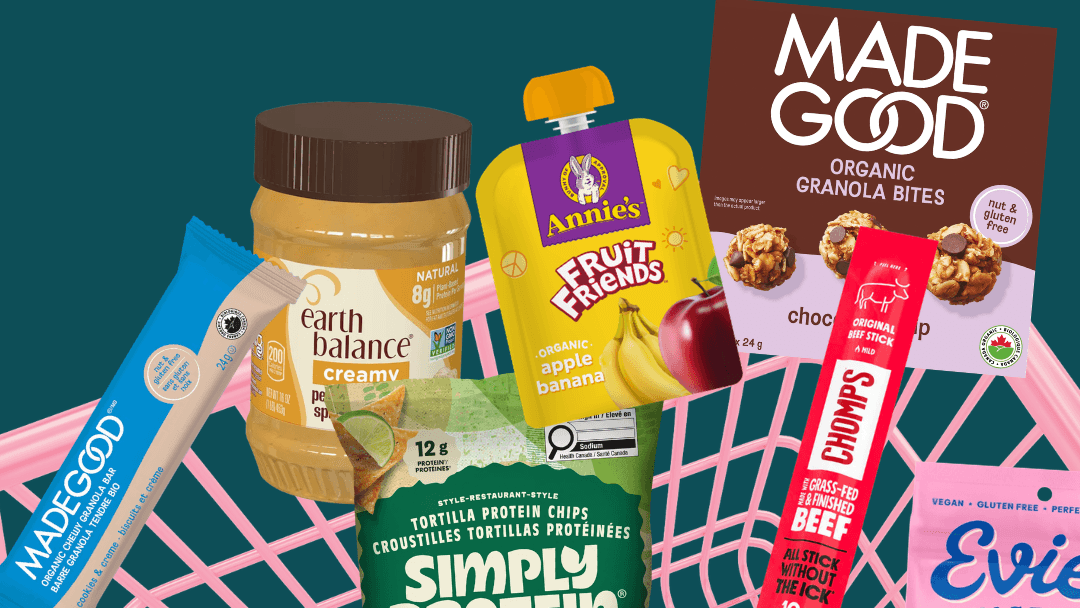
Open-box marketplace Rebel, which raised a $25 million Series B last November, is now getting into the snacks category. The new section launched with better-for-you, shelf-stable brands like MadeGood, Purely Elizabeth, Chomps and Annie's, at discounts of 12-70%.
Source Lens
Industry Context
Useful background context, but lower-priority than direct platform, community, or operator intelligence.
Impact Level
medium
Use this briefing to decide whether your team needs an immediate workflow, policy, or reporting change.
Key Stat / Trigger
No single quantitative trigger surfaced in this report.
Focus on the operational implication, not just the headline.
Full Coverage
The Marketplace Boom // June 12, 2026 Open-box marketplace Rebel is now selling better-for-you snacks By Melissa Daniels Rebel Open-box and overstock marketplace Rebel has entered the CPG category.
Rebel, which sources excess, unused inventory from brands and retailers to sell on its marketplace, added bulk-sized snacks and pantry products to its lineup in mid-May. The new section launched with better-for-you, shelf-stable brands like MadeGood, Purely Elizabeth, Chomps and Annie’s at discounts ranging from 12-70%.
Founder and CEO Emily Hosie told Modern Retail that getting into snacks grew out of conversations with brands seeking a sustainable solution for goods approaching their best-by dates. So far, snacks are increasing units sold and driving more repeat visits.
“It felt like a very natural extension of our mission to help customers discover amazing deals and in-demand products at an accessible price point,” she told Modern Retail in an exclusive interview. Rebel, formerly known as Rebelstork, launched in 2020 as an open-box marketplace specific to baby gear.
In March 2025, it officially rebranded and expanded into the home sector. It now carries around 90 categories, including well-known home brands like KitchenAid and Caraway. In November, the company announced a $25 million Series B led by MarcyPen Capital Partners after seeing 2,640% growth in product delivery over the past three years.
How Rebel is tapping into shopper demand for value Rebel’s inventory expansion arrives as inflation-weary shoppers are increasingly focused on value. About four in 10 Americans exhibit deal-driven or cost-conscious habits, per Deloitte’s 2026 Retail Industry Global Outlook.
And seven in 10 retail executives say they see shoppers trading down, going to value channels and swapping convenience for savings. Deloitte’s report said this is a “lasting, foundational shift” that goes beyond inflationary pressures.
It also points to how shoppers look for value in more ways than a low price, with Deloitte’s research showing that as much as 40% of consumers’ perceptions of a brand’s value stem from factors other than price.
“Depending on the subsector, factors such as quality, customer service, ease of checkout, loyalty programs and even employee attitudes can sway consumers,” the report said. “Understanding those factors and crafting a complementary value proposition may allow retailers to command a competitive advantage, even with today’s value-seeking consumer.”
Hosie said Rebel’s marketing of snack items focuses on the value shoppers can get compared to shelf prices, as well as the convenience of getting snacks shipped alongside more intentional, higher-ticket purchases.
Rebel is able to provide the goods at a discount because the item may be closer to its best-by date than retailers can reasonably move, such as 150 days instead of 300 days. “We are marketing this whole division as an add-on purchase to a customer that’s checking out already,” Hosie said.
“Because we’re dropping deals all day, every day, we want to make sure customers are seeing newness and exciting deals at all times.” Early results show that Rebel shoppers add snacks and pantry items to their carts alongside larger purchases, driving up the number of units purchased.
These categories are also driving more future traffic as people come back to replenish their pantries, compared to larger-ticket items like furniture or a stroller, which are one-time purchases.
Operational shifts and changes in open box Hosie said one of the reasons Rebel was well-positioned to add CPG items was because it already has the technology to sell items with expiration dates, thanks to capabilities it built for managing car seat inventory.
“For legal reasons and safety reasons, we already have that capability, so when partners approached us about helping them with the food waste, we already had a version of the technology operating and operating really well,” she said. But entering CPG did require some more tactical behind-the-scenes adjustments.
From a buying standpoint, there are more relationships to manage with retailers and brands that are looking to move their inventory, Hosie said. On the warehouse side, Rebel diverts the open-box or overstock items from brands and retailers to its own warehouse.
Adding CPG meant creating a new area with the right shelving and packaging for pick-and-pack operations. Most CPG items are multi-unit boxes, such as 30-packs of snacks, whereas larger furniture or strollers ship in their original packaging.
Beyond adding the snack category, Rebel also recently introduced category-specific mystery boxes, like various pool toys and floaties. It’s also offering more themed bundles of related items like coolers, flatware and snacks. “There are some customers who live fo
Original Source
This briefing is based on reporting from Modern Retail. Use the original post for full primary-source context.
Style
Audience